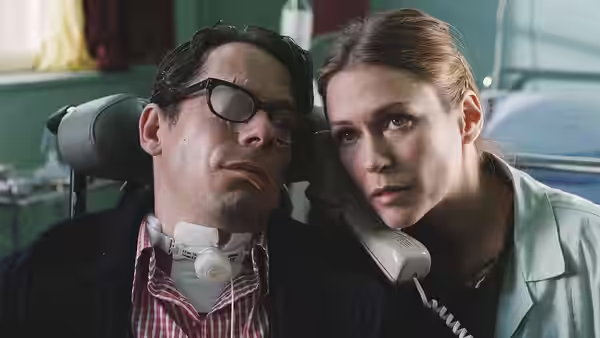
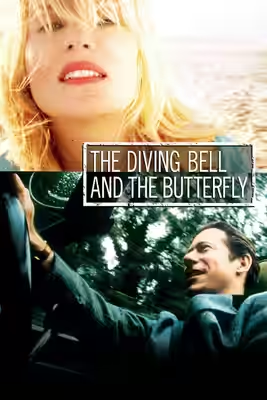
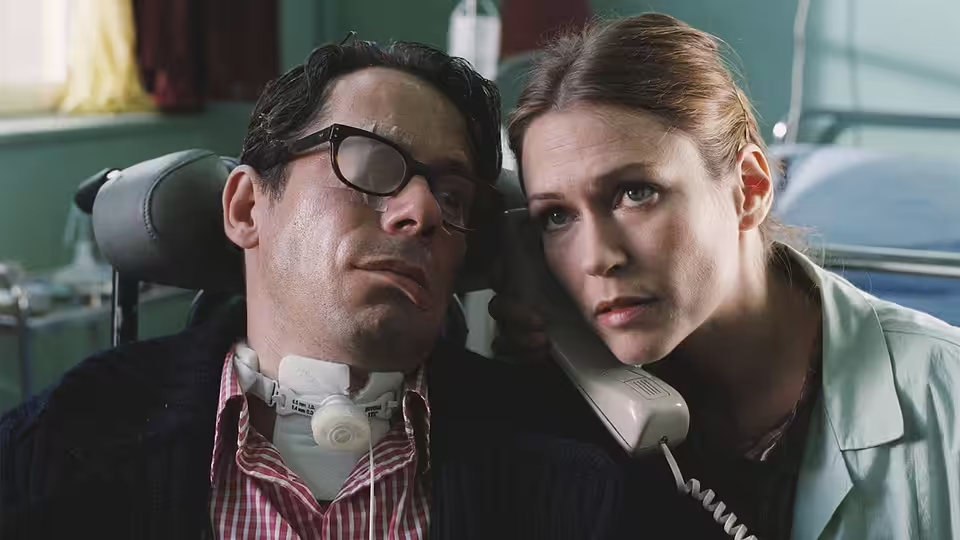
Jean-Dominique Bauby (Mathieu Amalric) reclining in a wheelchair while a woman holds a telephone to his ear
Film review

The Diving Bell and the Butterfly

2007 · Directed by Julian Schnabel · 1h 52m · MPA PG-13

In a sentenceFor once, a director has a good excuse for letting his camera wander

Fashion editor Jean-Dominique Bauby (Mathieu Amalric) survives a stroke that leaves him paralysed, able to communicate only by blinking one eyelid. As those around him work to understand what he wants to say, he begins to dictate a memoir. His thoughts move through memories, fantasies and the life he can no longer physically take part in. His elderly father, played by von Sydow, is among those drawn into this changed relationship with him. Julian Schnabel directs an adaptation of Bauby’s own account, with Emmanuelle Seigner, Marie-Josée Croze and Anne Consigny.

Plays from YouTube when you press play; nothing loads from them until then.

Fi1m review

Julian Schnabel’s film is moving, funny and sometimes frightening, and we recommend it warmly. Mathieu Amalric’s Bauby remains a complicated man throughout, even when the director gets a little too absorbed in making beautiful images.

The Diving Bell and the Butterfly is an unusually absorbing film about a man whose means of communicating have been reduced to a blink. Julian Schnabel understands how easily that story could become an exercise in admiring courage, and gives us plenty else to think about. Jean-Dominique Bauby, played by Mathieu Amalric, remains funny, flawed and interested in the world. The film asks us to spend time with that personality, including the parts that resist easy sympathy. We recommend it warmly, with some reservations about Schnabel’s insistence on making so much of it beautiful.

Bauby is a fashion editor left paralysed after a stroke, and Janusz Kamiński’s cinematography makes his restricted view ours. The point of view denies us the freedom to look around that films usually grant without our noticing. We were frightened by how little we could see, because we kept wanting to look beyond what the frame allowed. Kamiński makes that restriction difficult to forget, even when the images are attractive. Each attempt at communication takes on an urgency that a more detached view would struggle to provide.

Amalric gives that limited view an alert, sometimes wry intelligence. Bauby’s thoughts remain busy while other people try to understand what he is saying, and the discrepancy allows humour into scenes that could have been unbearable. Ronald Harwood’s screenplay preserves enough awkwardness to keep the character from becoming an example for the rest of us. There is relief in that. The film would be much harder to take if everybody involved were determined to demonstrate how noble it was.

Von Sydow, as Bauby’s elderly father, gives the film another person whose distress deserves attention. Their scenes carry the sadness of a relationship being forced to change. Schnabel allows the father’s difficulty in reaching his son to matter alongside Bauby’s own frustrations. These passages moved us because the father remains a parent, with all the desire to help that brings, and cannot make this better.

Juliette Welfling’s editing moves between the restricted present and the memories and fantasies that occupy Bauby’s mind. The changes give the film movement without making his physical situation seem less severe. They also let Schnabel give pleasure its proper place: Bauby can still imagine, remember and find things funny. Paul Cantelon’s music belongs comfortably within that warmth, though it occasionally adds feeling where the performances have supplied enough. Amalric needs little help in making those shifts of mood readable.

Some of Schnabel’s visual flourishes are harder to defend. The light, colour and fantasy can become so insistently lovely that we begin noticing the care of the composition ahead of the person whose thoughts it represents. That is a real distraction in a film asking us to attend so closely to another person’s experience. A few images ask for more admiration than they earn. We would have welcomed less emphasis in those passages, especially when the performances are already doing the difficult work.

As a drama about severe disability, it is unusually willing to let its central character retain his faults and his appetite for life. The attention given to the people helping him also keeps the act of communication from becoming a solitary triumph. It takes patience on both sides, and Schnabel makes that patience worth watching. Give it an evening when nobody needs to talk over it.

Critical consensus AI synthesised

76
Positive
6
Mixed
1
Negative
1
Empire
29 December 2007 · Alan Morrison
90*

The film succeeds in translating Bauby's wry inner world to the screen through a bold POV style that immerses viewers in his restricted mobility and rich mental life. Schnabel's approach highlights how Bauby's imagination overcomes his physical limitations.

Read the full review →
The Guardian
8 February 2008 · Peter Bradshaw
90*

Schnabel's very moving and deeply satisfying movie adapts the memoir of a fashion editor paralysed by a stroke who communicates only by blinking one eyelid. The critic singles out the emotional power of scenes involving the protagonist's elderly father, played by Max von Sydow, for particular praise.

Read the full review →
Evening Standard
10 April 2012
80*

Schnabel's adaptation captures an extraordinary true story of resilience, showing Bauby as flawed yet heroic through flashbacks, fantasies, and his determined communication via blinking. Strong performances and elegant cinematography convey the indomitability of the human spirit despite some emotional concessions.

Read the full review →
Time Out
4 February 2008 · ★★★★ · Jessica Winter
80

Julian Schnabel’s adaptation is a tender and sensuously sad film that immerses viewers in Bauby’s inner world through POV camerawork, flashbacks and expressionist flourishes. It avoids restraint in favour of voluptuous aesthetics while honouring the source memoir.

Read the full review →
Slant Magazine
31 August 2007 · ★★/4 · Nick Schager
50

The film is a textbook example of a director prizing himself over his material, with Schnabel's excessive stylistic gestures and over-the-top directorial flourishes lending superficiality. It dances around the human being at its center while lavishing attention on itself.

Read the full review →
Los Angeles Times
23 May 2007 · festival review · Kenneth Turan

Schnabel's rich visual style and commitment make the difficult story of locked-in syndrome compelling and moving rather than static. The director took on the project for personal reasons and delivers fluid storytelling aided by strong cinematography.

Read the full review →

Straight answers AI written, from our review

Is The Diving Bell and the Butterfly worth watching?
The Diving Bell and the Butterfly is worth watching for anyone prepared to spend an evening inside a paralysed man's head, and we scored it 87. Mathieu Amalric keeps Jean-Dominique Bauby funny and flawed rather than saintly, and the scenes with his elderly father moved us. Our one reservation is that Julian Schnabel sometimes makes his images so lovely that we notice the composition ahead of the person.
How long is The Diving Bell and the Butterfly, and what is it rated?
The Diving Bell and the Butterfly runs 1h 52m and is rated PG-13 by the MPA in the US. It is a drama and history film.
Where can I watch The Diving Bell and the Butterfly in the US?
The Diving Bell and the Butterfly is available to rent from Amazon Prime Video and Apple TV from $3.99. Availability is checked daily; the links above go straight to each service.
How violent or frightening is The Diving Bell and the Butterfly, and is it suitable for children?
The Diving Bell and the Butterfly contains no violence and is rated 12 in the UK, but it is a frightening film in a quieter way. We were unsettled by how little the camera lets us see, since it confines us to Bauby's restricted view after his stroke. It suits teenagers and adults with patience; younger children are likely to find it slow and distressing rather than harmful.
How does The Diving Bell and the Butterfly compare to My Left Foot: The Story of Christy Brown?
The Diving Bell and the Butterfly is the more inventive of the two, and My Left Foot the rougher and funnier. Both refuse to make their disabled subject agreeable, but Schnabel's film puts us inside Bauby's limited sight, while Jim Sheridan tells Christy Brown's story from the outside through Daniel Day-Lewis's exact performance. Choose the former for its craft, the latter for its lack of piety.
What should I watch after The Diving Bell and the Butterfly?
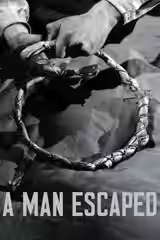
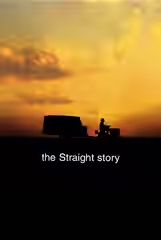
After The Diving Bell and the Butterfly, try My Left Foot (1989, Fi1m 85): Another unsentimental account of disability, with no obligation to make its subject agreeable. Then A Man Escaped (1956, Fi1m 90): Restricted movement makes every small sound and practical decision matter; and The Straight Story (1999, Fi1m 88): Patient attention to a limited journey, with room for humour and regret.

Cast

Awards

Academy Awards, 2008

Nominated
Best Cinematography
Nominated
Best Director
Nominated
Best Film Editing
Nominated
Best Writing, Adapted Screenplay

If you liked this, try…

  1. My Left Foot (1989, Fi1m 85)Another unsentimental account of disability, with no obligation to make its subject agreeable.

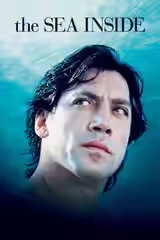
  2. The Sea Inside (2004) · not reviewed yetA more argumentative treatment of paralysis, autonomy and the people obliged to listen.

  3. A Man Escaped (1956, Fi1m 90)Restricted movement makes every small sound and practical decision matter.

  4. The Straight Story (1999, Fi1m 88)Patient attention to a limited journey, with room for humour and regret.

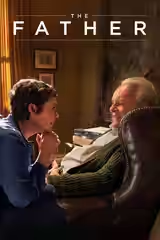
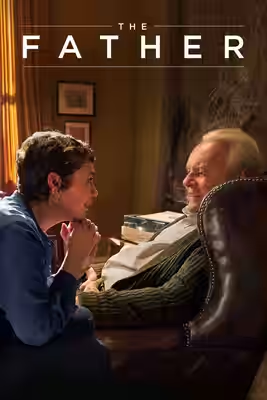
  5. The Father (2020, Fi1m 89)A different condition reshapes the camera’s world and unsettles our confidence in it.

Free account

Know what to watch tonight

Two lists that know where things are streaming, collections you can share, your own score beside ours, and Discover that remembers what you have seen.

  • Want to see, sorted by what is streaming now
  • Seen, with your score out of ten
  • No adverts, ever