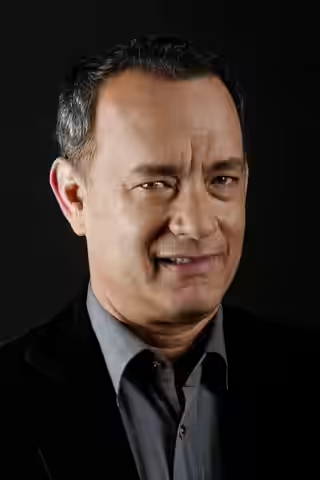
Tom Hanks makes effort visible. Leading soldiers, surviving an island or arguing with a spaceman toy, he lets us see what it costs an ordinary man to keep going, and never asks for sympathy in return. We trust him more than most of his films.
Fi1m perspective
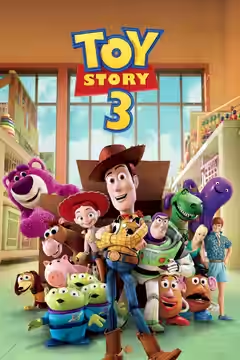
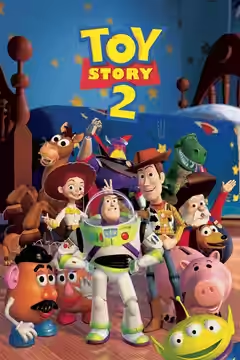
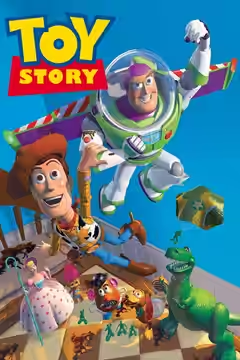
Watch what Hanks does with a job. In Saving Private Ryan (1998) he makes command look exhausting, the authority intact but the effort showing in his voice. In Cast Away (2000) he spends long stretches alone with a task and keeps us watching by concentrating on it. Even as Woody in Toy Story (1995) he tightens his voice until every sensible objection starts to sound personal, and the strain of sounding reasonable becomes painfully audible. That is the habit: the work is on the surface, and he does not turn it into a request to be liked.
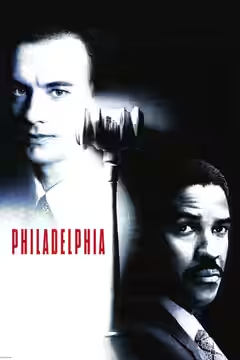
He came up through comedy, Splash (1984) and then Big (1988), where he plays a boy learning what to do with an adult body and lets fear in without making the child pitiable. The turn to drama came early in the 1990s with Philadelphia (1993) and Forrest Gump (1994). Since then he has led serious films, voiced Woody across five of them, directed and written on Band of Brothers (2001), and kept working into Here (2024) and Toy Story 5 (2026). Three directors recur: Steven Spielberg, five films together; Robert Zemeckis, three; Ron Howard, two.
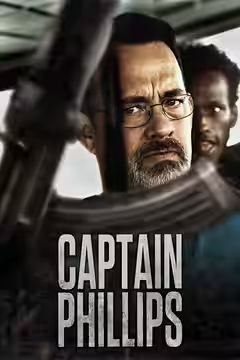
Spielberg gets the most out of him. Captain Miller in Saving Private Ryan and Carl Hanratty in Catch Me If You Can (2002) are both men doing a job while someone more charismatic gets the attention, and Hanks is happy to be the one who does not compete. He asked to play Hanratty, saying "I really know who this guy is", and it shows. The surprise in our reviews is Road to Perdition (2002), where Sam Mendes makes his quietness threatening; we could not settle in his company. The performance that frightened us most is Captain Phillips (2013), because of how much it seems to cost him simply to stay still, concentrating on the next small task since anything larger would be unbearable.
When he is let down, it is usually by a director trying to help. Zemeckis keeps pressing life lessons on to work that has already made its point: Forrest Gump runs 142 minutes and asks for tears far more insistently than Hanks needs to, Cast Away underlines what his silences have shown, and Here de-ages him into a computer's guess at a photograph, a smooth face with the mouth a fraction behind the words. Occasionally the fault is proportion. A League of Their Own (1992) gives Jimmy Dugan more of the film than the coach deserves when the women are the point, and in Toy Story 5 Woody is present and sounds as he always has while the weight sits with Joan Cusack.
The nearest anyone gets to a complaint is that he is always the affable everyman. Our reviews suggest the everyman is the least of it: the man who wants to be decent is there in every part, but so is the cost of managing it, and Hanks never hides the bill. Start with Captain Phillips or Saving Private Ryan, and if you find you like him, Road to Perdition will show you what he does when a director declines to make him likeable.
Biography
Thomas Jeffrey Hanks is an American actor born on 9 July 1956 in Concord, California. He first voiced Woody in Toy Story (1995) and has reprised the role in subsequent films in the series, including Toy Story 5 (2026).
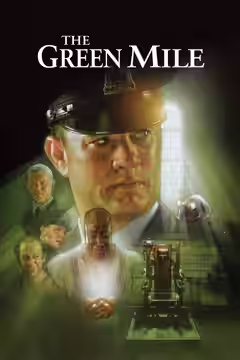
Hanks played Stanley Zak in Asteroid City (2023). His other film credits include Forrest Gump (1994), Saving Private Ryan (1998), The Green Mile (1999), Cast Away (2000) and Catch Me If You Can (2002). He has also appeared in Here (2024) and The Phoenician Scheme (2025).