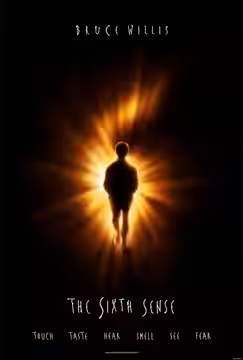
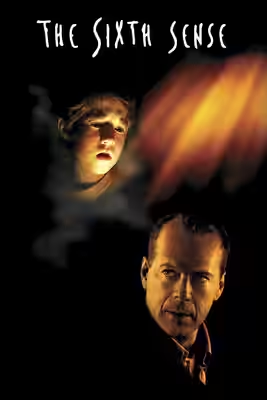
M. Night Shyamalan’s ghost story is frightening, moving and worth approaching without advance knowledge. Haley Joel Osment makes the deliberate pace worthwhile, though the film sometimes presses too hard for our sympathy.
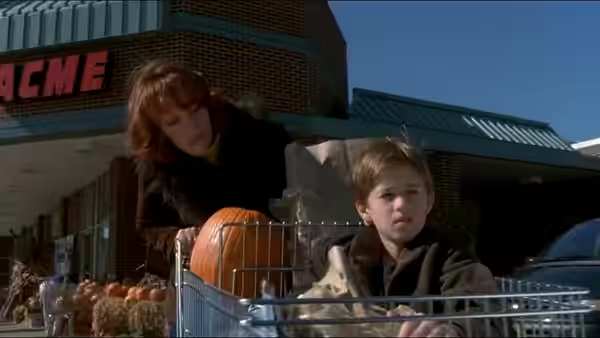
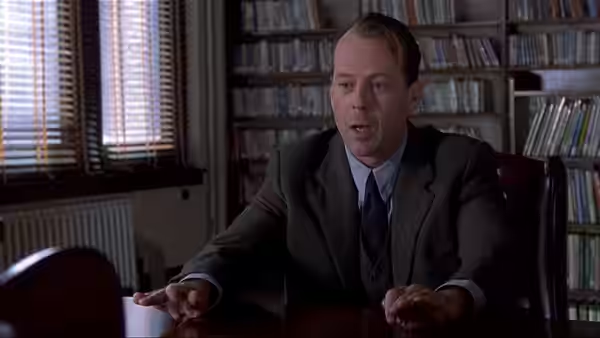
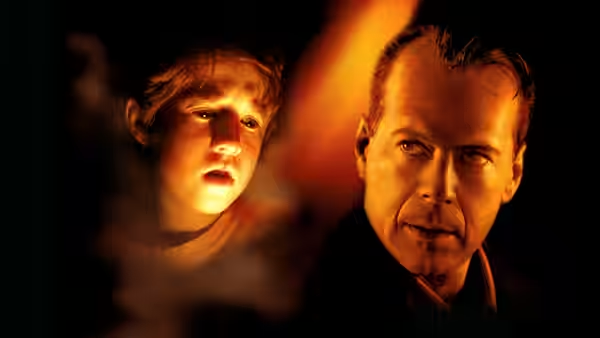
The Sixth Sense is a frightening, unusually tender ghost story, and we recommend it with one warning: its patience occasionally becomes a trial. Writer-director M. Night Shyamalan puts a psychologist, Malcolm Crowe, beside a boy, Cole Sear, whose terror resists ordinary reassurance. The important question is how an adult should respond when a child describes something the adult cannot readily accept. Shyamalan gives their relationship enough time for the effort to understand Cole to become as absorbing as the question of what frightens him.
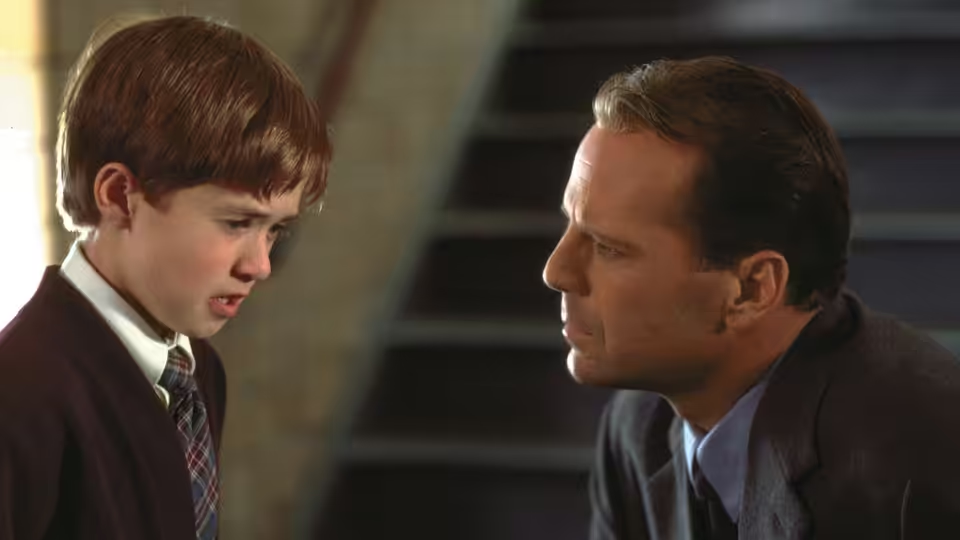
Haley Joel Osment gives Cole a seriousness that never feels like an adult’s idea of a solemn child. His fear seems exhausting, something he has to live with even while another person is trying to help. We were frightened by how little relief he seems to take from Malcolm’s gentleness. Osment makes the boy’s distress persist through the quieter exchanges, so a conversation offers no automatic respite from the horror. He sustains that tension without making each encounter feel like another demonstration of the same frightened expression.
Bruce Willis helps by keeping Malcolm’s concern quiet and practical. His performance leaves space for Osment, and the relationship avoids the tiresome contest in which a knowing child must continually outwit a foolish adult. Willis makes the effort to understand another person interesting in itself, without asking us to applaud the effort. There is a risk that such sustained sympathy will turn bland, but his restraint gives these exchanges enough uncertainty to hold our attention.
Tak Fujimoto’s sombre photography keeps our attention on the faces within the gloom. We have someone to worry about even when the darkness invites us to search for something else. Larry Fulton’s production design is similarly restrained; the surroundings never seem to be competing with the frightened child. Together, they make the conversations feel exposed, with little comfort to be found in the space around the speakers. The atmosphere works because it allows the actors to remain the most troubling things in the picture.
Andrew Mondshein’s editing gives those conversations room to develop, but the deliberate rhythm is also the film’s clearest limitation. There are stretches when the same subdued delivery begins to flatten distinctions between anxiety, hesitation and simple waiting. We do not need every exchange to hurry, but we do sometimes need one to end sooner. James Newton Howard’s music is more effective at sustaining unease than at steering our sympathy. When it presses the sadness, the performances have usually done enough already.
The script’s interest in sympathy is also what distinguishes it from a ghost story assembled solely to startle. Shyamalan wants the distress to remain important after the immediate fear has subsided, and Osment gives him the means to do it. The supernatural never makes the ordinary difficulty of trusting someone seem trivial. At its strongest, the film makes listening to a frightened person feel difficult and necessary, and gives the listener something more demanding to do than wait for the next alarming incident.
Against the genre’s habit of interrupting quiet with another shock, Shyamalan’s restraint is welcome. The solemnity can become heavy, but Cole never seems to exist merely to make an audience jump. Watch it with someone who will let the silences last.