Bruce Willis makes danger convincing by letting us see how much it costs his characters. We rate him most when the wisecracks subside: his quiet performances can make a complicated thriller worth caring about.
Fi1m perspective
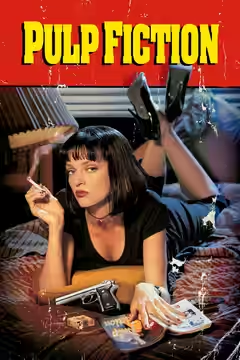
Bruce Willis lowers his chin in Pulp Fiction (1994), speaks sparingly and looks as though the decision has already been made. As Butch Coolidge, he gives us enough to follow without explaining himself at every opportunity. This is the Willis we value: economical, watchful, capable of giving a genre film someone worth worrying about. But restraint needs a director who knows when to leave him alone and when to get the scene moving.
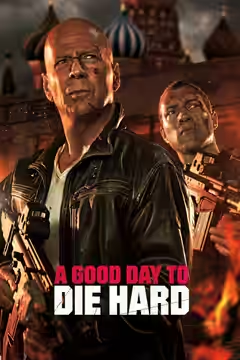
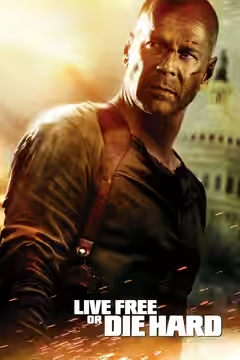
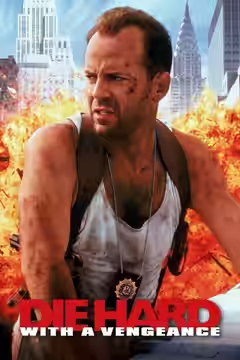
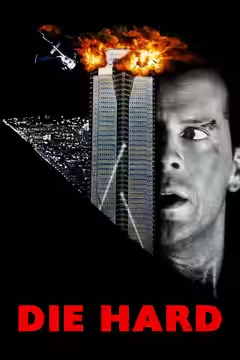
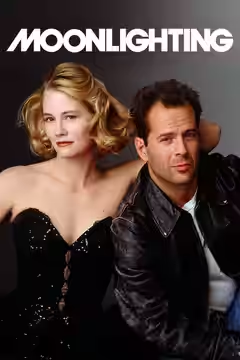
David Addison in Moonlighting (1985–89) established the wisecracks. Die Hard (1988) made John McClane an action hero whose vulnerability mattered, and the jokes did not make him invincible. The character-driven roles of the 1990s gave Willis more to do with his reluctance to announce every feeling. Pulp Fiction and Twelve Monkeys (1995) use that restraint differently. He is more affecting in the latter.
In Twelve Monkeys, James Cole seems to find the effort of understanding his surroundings exhausting. Willis keeps the distress inward, so that the time-travel complications remain painful for the man caught in them, even when the restless images make the story unnecessarily hard to follow. We felt protective of Cole because Willis makes his confusion hurt and offers so little reassurance that he can manage it. Dr Kathryn Railly provides a directness and steadiness that help keep the human encounters worth our attention.
The motel scene runs too long in Pulp Fiction. The conversation with Fabienne stalls because the talk has stopped doing much, and Willis’s economy cannot supply the missing pace. We were bored by this stretch, despite admiring how little he needed to do as Butch. We would happily lose some of the conversation about pancakes and pot bellies.
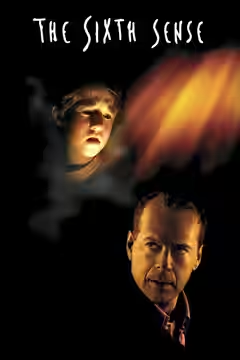
The understated dramatic work continued in The Sixth Sense (1999). There is no need to treat such parts as surprising exceptions to the action work; the vulnerable hero was there in Die Hard. Start with Twelve Monkeys if the quips are all that come to mind.
Biography
Walter Bruce Willis is an American actor. Born on 19 March 1955 in Idar-Oberstein, West Germany, he began his career on the off-Broadway stage in the 1970s before gaining prominence with a leading role in the television series Moonlighting (1985–1989).
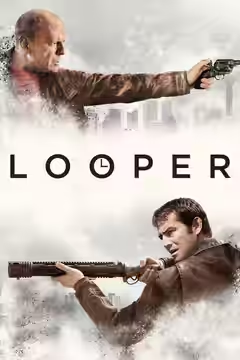
Willis achieved widespread recognition as an action star through his portrayal of John McClane in the Die Hard franchise (1988–2013). He appeared in over 100 films, including Pulp Fiction (1994) as Butch Coolidge, The Fifth Element (1997), The Sixth Sense (1999), Unbreakable (2000) and Looper (2012). He also released music albums and made his Broadway debut in Misery in 2015.
Willis received a Golden Globe Award, two Primetime Emmy Awards and a star on the Hollywood Walk of Fame in 2006. In March 2022 he retired from acting following a diagnosis of aphasia; in February 2023 his family announced a more specific diagnosis of frontotemporal dementia.