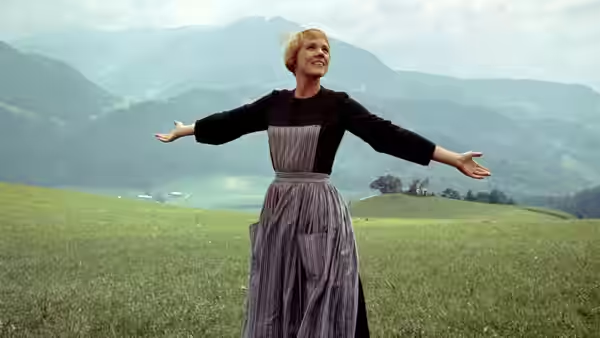
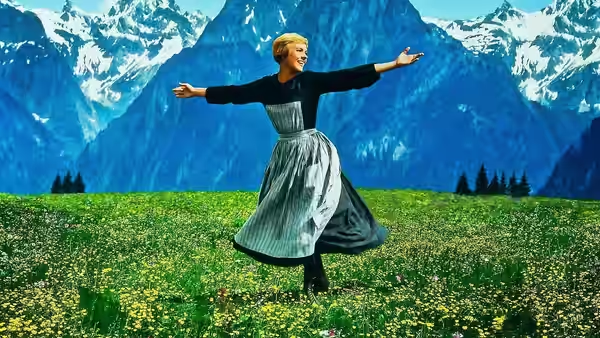
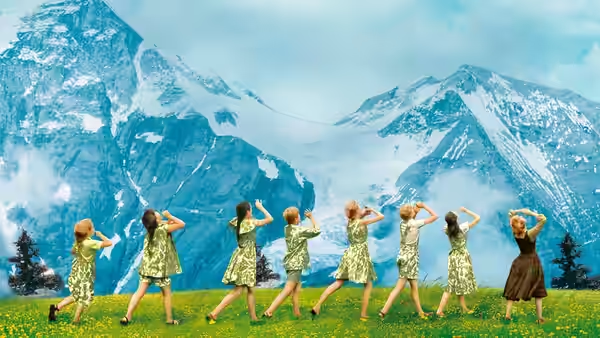
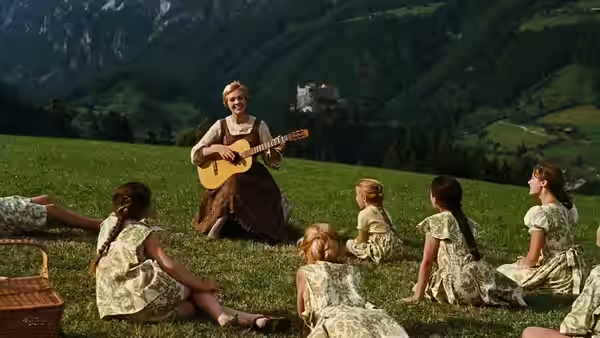
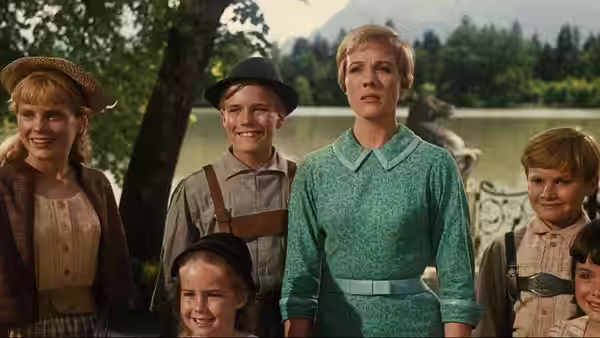
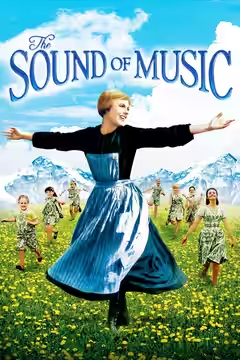
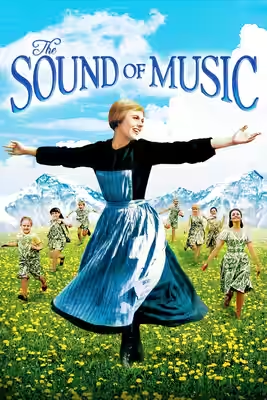
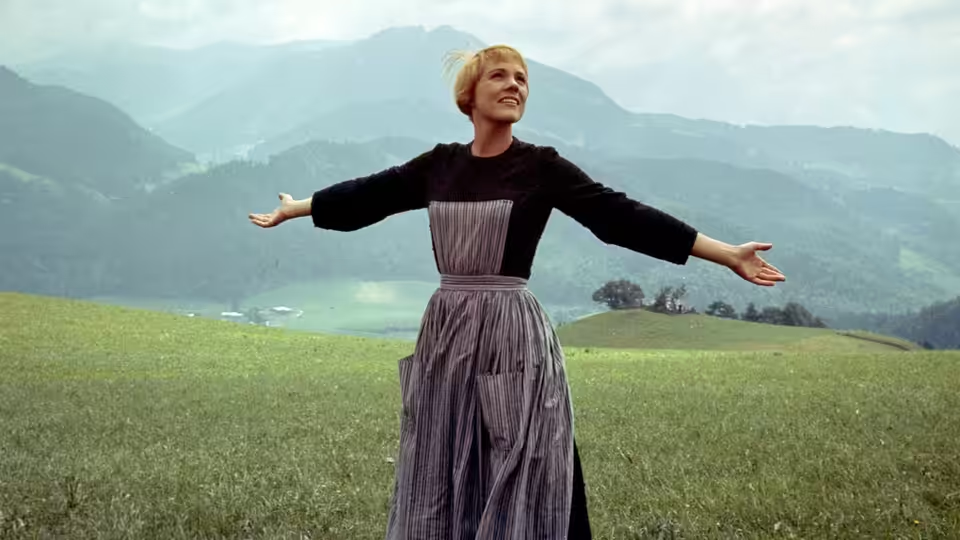
Maria (Julie Andrews) stands with arms outstretched in a mountain meadow
Film review

The Sound of Music

1965 · Directed by Robert Wise · 2h 54m · MPA G

In a sentenceNearly three hours of singing, and Julie Andrews still seems like excellent company

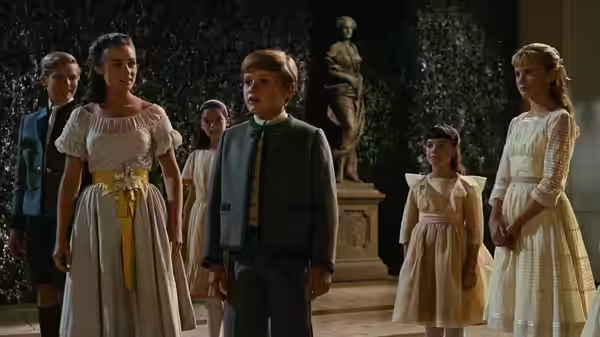
Maria (Julie Andrews) and Captain Georg von Trapp (Christopher Plummer) are at the centre of a musical romance set amid Salzburg and the Austrian Alps. Their story brings together family life, courtship and songs, with the threat of Nazism beyond the domestic concerns. The von Trapp family includes Liesl, Friedrich, Louisa, Brigitta, Marta, Gretl and Kurt. Eleanor Parker plays the Baroness, Richard Haydn appears as Detweiler and Anna Lee as Sister Margaretta. Robert Wise directs, with songs by Richard Rodgers and Oscar Hammerstein II.

Plays from YouTube when you press play; nothing loads from them until then.

Fi1m review

Robert Wise’s musical is an easy recommendation, thanks to Julie Andrews and songs given room to work. Some of the adult drama drags, and the sentimentality is considerable; neither quite wears out the welcome.

Robert Wise asks for 174 minutes for a musical built around family, romance and a belief that singing can improve the day. That is a substantial demand, especially for anyone suspicious of organised cheerfulness. We recommend The Sound of Music warmly, with a warning that its adult drama sometimes proceeds at the pace of people who have nowhere else to be. Wise gives the songs enough space to finish their business, and Julie Andrews supplies the practical energy that keeps the cheerfulness from becoming a duty.

As Maria, Andrews sings with such clean emphasis that the words remain as important as the tune. Her brightness has purpose, and she gives the impression of someone who would be useful in a difficult situation, even without musical accompaniment. That practical quality makes the warmth convincing. Christopher Plummer’s Captain Georg von Trapp gives her resistance to work against, and their scenes benefit from his reluctance to match her enthusiasm. We believe in the attraction because the two performers take time to respond to each other.

The ‘Do-Re-Mi’ sequence around Salzburg made us happier than we expected. The changing locations give the repetitions variety, and Andrews makes each return to the tune sound freshly encouraging. The songs by Richard Rodgers and Oscar Hammerstein II are built for a listener to catch quickly, and Wise trusts their repetitions instead of trying to disguise them. Andrews also avoids the smugness that can make an easy singalong feel like an instruction to enjoy ourselves.

Ted D. McCord’s cinematography gives the Austrian scenery room to justify the musical’s leisurely pace. The opening aerial panorama establishes a scale that Wise carries into the songs, so the wide views feel like part of the performance. The Salzburg exteriors give the numbers movement and variety, with space for a tune to develop as the surroundings change. As a way of taking a stage musical into the cinema, this remains convincing because the locations contribute something the stage cannot supply.

William Reynolds’s editing gives the musical sequences a clear, unforced rhythm. The cuts allow a phrase to make its effect before asking us to look elsewhere, so the length seldom troubles us while someone is singing. Boris Leven’s production design favours an orderliness that suits the film’s manners, although we sometimes wanted the domestic spaces to look less prepared for company. That tidiness is one reason the sentiment can feel too carefully arranged.

Ernest Lehman’s screenplay is less assured when the adults have to discuss their feelings. The romantic passages can repeat what Andrews and Plummer have already made clear, and at this length the extra explanation matters. Eleanor Parker, as the Baroness, provides welcome restraint, suggesting more than the dialogue needs to spell out. The Nazi threat brings a pressure that the family romance needs, and Wise handles it clearly without pretending to offer a searching account of the politics.

Screen musicals can be embarrassed by the moment ordinary conversation gives way to song. Wise has no such hesitation, and Andrews makes that confidence seem reasonable. There is no need to watch it apologetically, though an aversion to family sentiment is unlikely to be cured. Give it an evening when nobody is in a hurry.

Critical consensus AI synthesised

76
Positive
14
Mixed
0
Negative
3

Most critics come down firmly in favour, though the spread runs from full marks to outright dismissal, with nothing in between. The praise clusters on Julie Andrews, whom almost every review, admiring or not, singles out as the film’s chief asset. Robert Wise’s direction is credited even by sceptics as slick and competent, and the more enthusiastic reviews call it expert or stately. The Salzburg and Alpine locations, especially the opening shot over the mountains, and the Rodgers and Hammerstein songs draw consistent approval, and several later reviews written for restorations argue the film is underrated and holds up.

The reservations cluster on sweetness. Nearly every review reaches for some variant of saccharine, and the three dissenters, The Guardian in 1965, Sight and Sound and Slant Magazine, find the sentiment swamps everything else. Sight and Sound and Slant also object to the handling of the Nazis, which Time Out, by contrast, considers neatly done. The dissent spans decades rather than belonging to one era.

Radio Times
★★★★★ · Tony Sloman
100

The film is hailed as an artful crowd-pleaser that reaches every generation through Robert Wise's expert and unsentimental direction and Julie Andrews' magnificent performance as Maria. Particular praise goes to the stunning opening panoramic shot, the Do Re Mi sequence around Salzburg, and the refreshing Rodgers and Hammerstein score.

Read the full review →
Empire
31 August 2007 · Caroline Westbrook
90*

The critic calls it one of the greatest screen musicals ever made, praising its set-pieces, scenery, and unforgettable Rodgers and Hammerstein songs in a re-release review. They note it remains a festive classic that holds up decades later.

Read the full review →
Los Angeles Times
7 March 1965 · Philip K. Scheuer
90*

Scheuer praises the film as a visually and vocally brilliant cinematic transformation of the stage musical, crediting Robert Wise's airborne camera work and the Salzburg/Alpine locations for adding depth and spectacle. He highlights Julie Andrews' warm, irrepressible Maria and the strong supporting cast while noting the successful handling of the story's potentially saccharine elements.

Read the full review →
The Hollywood Reporter
1 March 1965 · James Powers
90*

The critic calls it one of the all-time great pictures that restores faith in movies and humanity, praising Robert Wise's consummate direction, Julie Andrews as a dazzling phenomenon, the score's insidious charm, and the incomparable Austrian scenery.

Read the full review →
The Times
31 October 2025 · Kevin Maher
90*

The critic celebrates the new 4K restoration as a sensory rebirth that refreshes the film's artistic meaning. He highlights the technical upgrade to the original negative and the film's status as one of the biggest box-office successes ever.

Read the full review →
Time Out
24 September 2007 · Geoff Andrew
90*

Though the story is dismissed as reactionary pap, the review argues the blockbuster musical is still grossly underrated for its superb editing and shooting, neat handling of the Nazi threat, and strong turns from Julie Andrews and Eleanor Parker. The new digital print is recommended for its stunning mountaintop camerawork.

Read the full review →

Straight answers AI written, from our review

Is The Sound of Music worth watching?
The Sound of Music is worth watching for anyone who can settle into 174 minutes of family sentiment and song, and we scored it 86. Julie Andrews carries it, and Robert Wise lets the Rodgers and Hammerstein numbers finish their business against Ted D. McCord's Salzburg scenery. The adult romance drags in places, so give it an evening when nobody is in a hurry.

How long is The Sound of Music, and what is it rated?
The Sound of Music runs 2h 54m and is rated G by the MPA in the US. It is a drama and family film.
Where can I watch The Sound of Music in the US?
The Sound of Music is streaming on Disney+ in the US. Availability is checked daily; the links above go straight to each service.
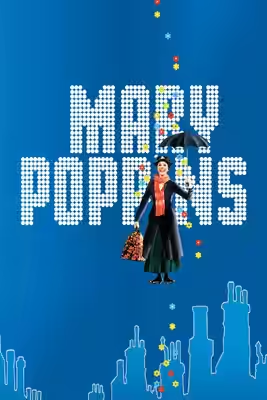
How does The Sound of Music compare to Mary Poppins?
The Sound of Music is the longer and more sentimental of Julie Andrews's two musical households, and Mary Poppins is the tighter, more purely children's film. Both run long and both are quietly about a father, but Mary Poppins has the sharper shape and the Sherman brothers' songs, while Andrews's Maria has more practical warmth than her nanny. Families with small children should start with Mary Poppins; anyone who wants romance and Alpine scale should take the Salzburg one.
What should I watch after The Sound of Music?
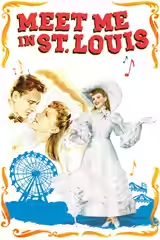
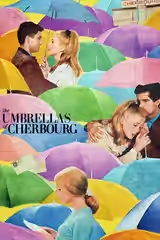
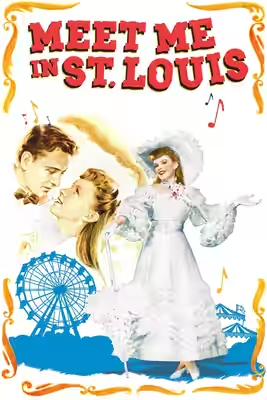
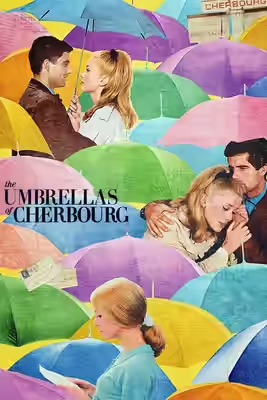
After The Sound of Music, try Mary Poppins (1964, Fi1m 83): Julie Andrews brings firmer discipline and equal warmth to another musical household. Then Meet Me in St. Louis (1944, Fi1m 87): A family musical with sharper domestic irritations and an equally unembarrassed heart; and The Umbrellas of Cherbourg (1964, Fi1m 88): A French musical whose bright colours offer little protection from adult disappointment.

Cast

Awards

Academy Awards, 1966

Nominated
Best Actress
Nominated
Best Art Direction, Color
Nominated
Best Cinematography, Color
Nominated
Best Costume Design, Color
Nominated
Best Supporting Actress
Won
Best Director
Won
Best Film Editing
Won
Best Picture
Won
Best Score, Adaptation or Treatment
Won
Best Sound

If you liked this, try…

  1. Mary Poppins (1964, Fi1m 83)Julie Andrews brings firmer discipline and equal warmth to another musical household.

  2. Meet Me in St. Louis (1944, Fi1m 87)A family musical with sharper domestic irritations and an equally unembarrassed heart.

  3. The Umbrellas of Cherbourg (1964, Fi1m 88)A French musical whose bright colours offer little protection from adult disappointment.

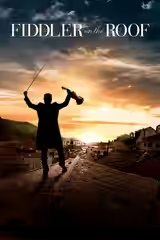
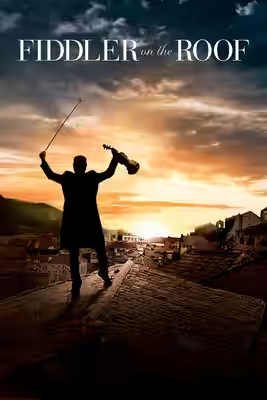
  4. Fiddler on the Roof (1971, Fi1m 77)Another singing family faces historical upheaval, with more room for doubt.

  5. Swing Girls (2004) · not reviewed yetJapanese schoolgirls take up jazz, with an agreeable lack of solemnity.

Free account

Know what to watch tonight

Two lists that know where things are streaming, collections you can share, your own score beside ours, and Discover that remembers what you have seen.

  • Want to see, sorted by what is streaming now
  • Seen, with your score out of ten
  • No adverts, ever