Robert Wise changes his style to suit the story, and we rate that practical skill highly. His musicals show what patient direction can do for a song, though the patience sometimes outlasts the drama between numbers.
Fi1m perspective
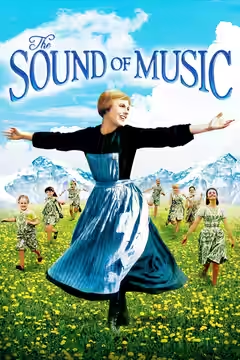
In The Sound of Music (1965), Wise lets the landscape occupy a generous share of the picture, even when there is singing to attend to. Ted D. McCord’s wide views make the Austrian locations part of the musical numbers, giving them room and movement. Rodgers and Hammerstein supply songs that reward repetition, and Wise resists the urge to hurry them along. We were cheered by ‘Do-Re-Mi’ because Julie Andrews finds fresh encouragement in the familiar tune as the Salzburg locations change. Taking a stage musical outdoors works here because the surroundings keep the songs lively.
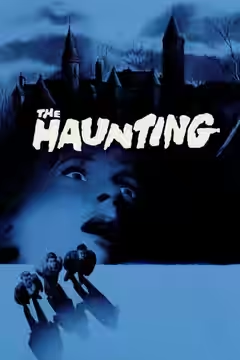
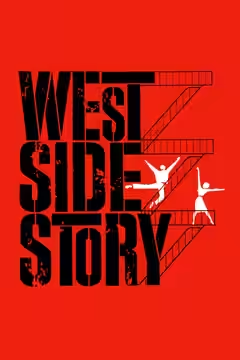
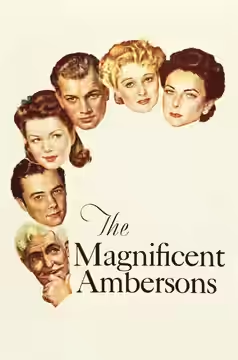
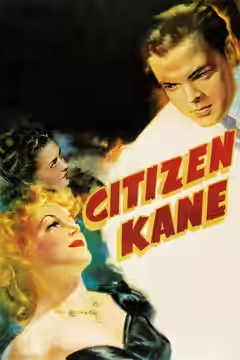
His years as an editor, including Citizen Kane (1941), help explain his attention to rhythm. Directing began with The Curse of the Cat People (1944) for producer Val Lewton, before a career spent moving between genres. West Side Story (1961), co-directed with Jerome Robbins, and the haunted-house suspense of The Haunting (1963) belong to the same stretch of work. That willingness to change his approach is a virtue, even if it makes his work harder to recognise at a glance.
His patience is less helpful when the adults in The Sound of Music begin explaining themselves. Ernest Lehman’s screenplay lets the romantic conversations repeat feelings that Andrews and Plummer have already made plain, and at 174 minutes those repetitions matter. Eleanor Parker’s Baroness suggests more with less explanation, providing restraint in a film that is seldom shy of sentiment. Andrews keeps the cheerfulness active and practical, which makes it easier to forgive the slower passages. We recommend it warmly, but the songs are a better reason to settle in than the adult romance.
The later films include The Sand Pebbles (1966), The Andromeda Strain (1971) and Star Trek: The Motion Picture (1979). Some critics found the later work less sharp than the earlier films. We would not make consistency a condition of exploring a director so willing to try another kind of story. For a first encounter, choose The Sound of Music and allow the evening a little extra time.
Biography
Robert Wise (1914–2005) was an American film editor and director. He began his career at RKO Studios in the 1930s, initially as a sound effects editor, and rose to become a film editor. He edited Citizen Kane (1941), for which he received an Academy Award nomination for Best Film Editing.
Wise directed more than forty films across many genres. His best-known works include West Side Story (1961) and The Sound of Music (1965), both of which won him Academy Awards for Best Director. He also produced The Sand Pebbles (1966), which was nominated for Best Picture. In 1998 he received the American Film Institute Life Achievement Award.