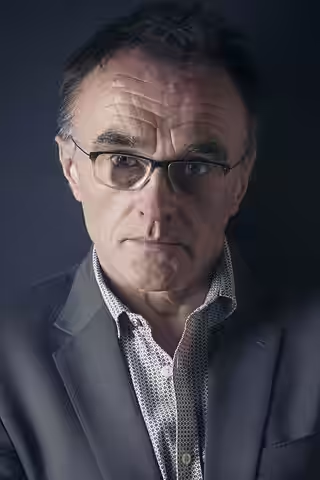
Danny Boyle makes bad company inviting and danger horribly immediate. We rate him most when he gives his actors time; his fondness for another visual flourish can hurry him past their characters’ suffering.
Fi1m perspective
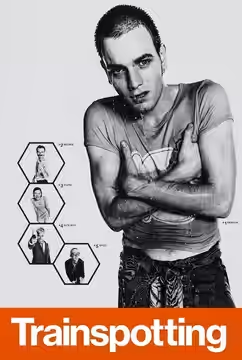
Trainspotting (1996) lets Renton and his friends be funny enough that their company starts to seem worth the trouble. We laughed at their jokes, then felt uneasy about how readily we had accepted the routine of addiction. Ewan McGregor’s ease as Renton matters: Boyle trusts his humour to make the man approachable without asking us to excuse him. Ewen Bremner’s Spud and Robert Carlyle’s Begbie disturb that ease in sharply different ways.
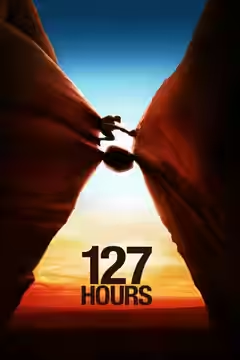
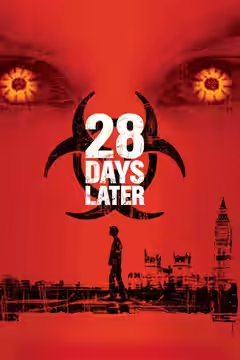
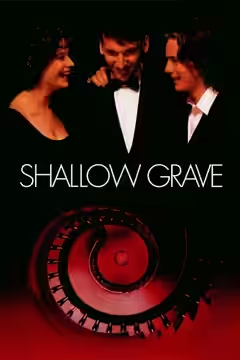
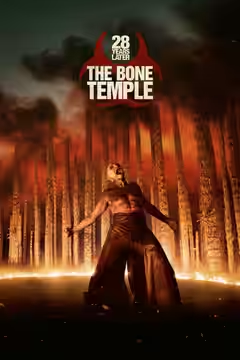
His first feature, Shallow Grave (1994), brought him together with writer John Hodge and producer Andrew Macdonald. The mobile camera, rapid editing and forceful use of music remained recognisable as he changed genres. 28 Days Later (2002) gave him running infected; 127 Hours (2010) put his visual ingenuity to work on a confined survival story. His return to horror in 28 Years Later (2025) is striking because he allows himself more time.
Boyle’s speed is not always helpful in Trainspotting. Cinematographer Brian Tufano gives the men a polish their behaviour hardly deserves, while Kave Quinn’s production design makes their surroundings uncomfortable to contemplate. The contrast works, encouraging us to look closely at people a more dutiful social drama might treat less generously. Hodge’s blunt dialogue saves them from having to explain themselves to outsiders, but the supporting characters need more time away from the group. Boyle sometimes adds a visual flourish when the actors have already done enough.
In 28 Years Later, Alex Garland’s screenplay and Boyle’s direction return to a changed, quarantined Britain. Anthony Dod Mantle shoots much of it on iPhones rigged in banks, splintering an attack into different angles of the same instant. Boyle still likes to interrupt an image: Spike’s first walk into the trees comes with a scratched recording of Kipling’s Boots and archive footage of English longbowmen. Yet the film is more patient than much of his work, giving its strangeness and sadness time to register.
We would start with Trainspotting, allowing for the moments when the cutting hurries past pain the actors could have made us sit with. Try 28 Years Later next for the horror and the unfamiliar pleasure of Boyle taking his time. Be prepared to forgive its last five minutes.
Biography
Danny Boyle (born 20 October 1956) is an English film director and producer. Born in Radcliffe, Greater Manchester, he began his career in theatre before moving into film with Shallow Grave (1994) and Trainspotting (1996).
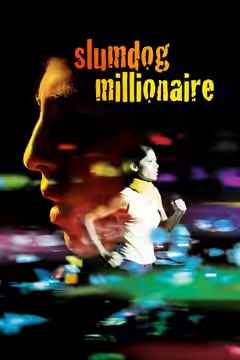
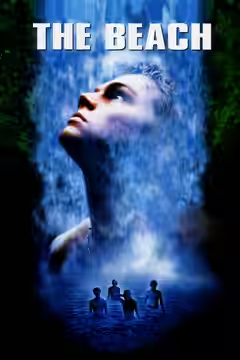
Boyle is known for directing 28 Days Later (2002), The Beach (2000), Slumdog Millionaire (2008), 127 Hours (2010), Steve Jobs (2015) and Yesterday (2019). He directed 28 Years Later (2025) and produced both that film and 28 Years Later: The Bone Temple (2026). In 2012 he served as artistic director for the opening ceremony of the London Summer Olympics. Slumdog Millionaire won him the Academy Award for Best Director.