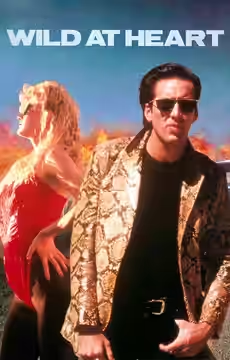
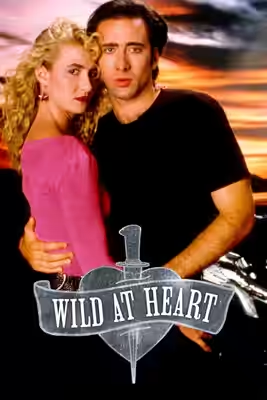
Lynch’s lovers-on-the-run romance is funny, frightening and carried by Nicolas Cage and Laura Dern. Its detours sometimes become tiresome, but their chemistry keeps us interested when the film starts enjoying its own oddness too much.
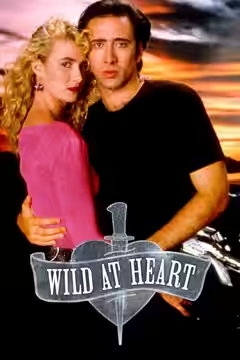
David Lynch’s Wild at Heart is a funny, frightening romance whose detours are worth tolerating for Nicolas Cage and Laura Dern. Working from Barry Gifford’s novel, Lynch sends Sailor and Lula through a lovers-on-the-run story crowded with crime, violence and threats to their escape. He treats their desire to be together seriously, even when almost everything around them is exaggerated for comic or frightening effect. The film runs for 125 minutes, and it does not need all of them.
We were horrified by the opening violence. Lynch makes the brutality so forceful that the road ahead never feels like a safe route out, however much the lovers might want it to be. The shifts into humour can be disconcerting, and for a while that uncertainty is exactly what keeps the film alive. The comedy offers little reassurance about what sort of trouble might come next.
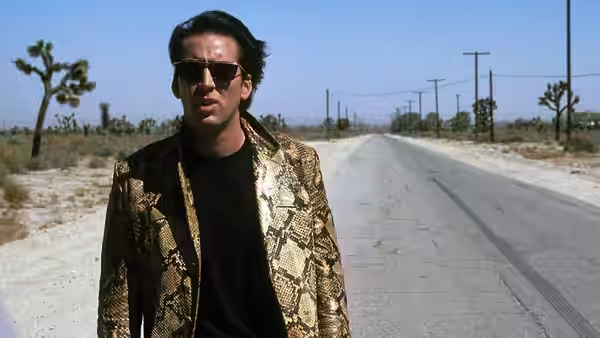
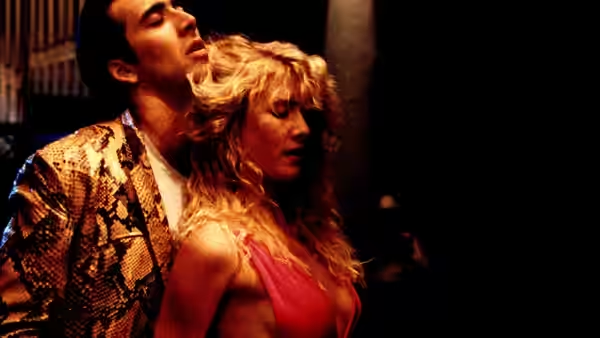
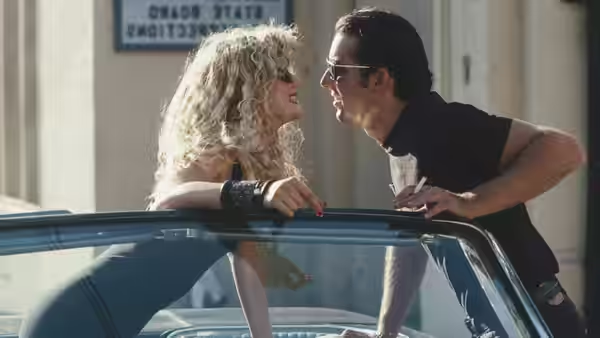
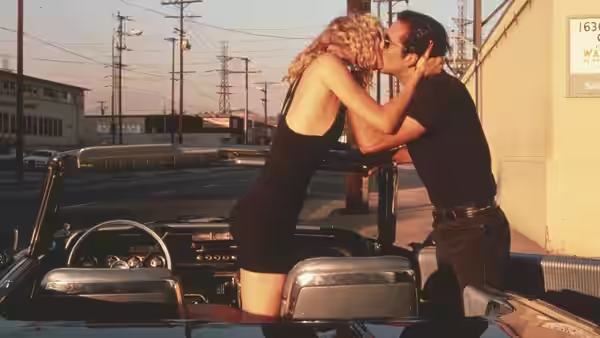
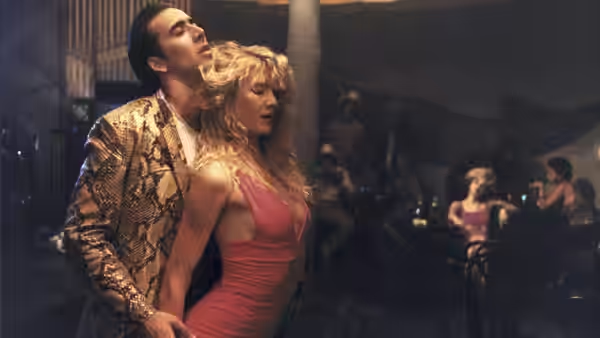
Cage’s Sailor is the main reason the romantic side survives: the Elvis mannerisms are funny, but his commitment stops them becoming a party turn. He plays the swagger as though it is an entirely sensible way to conduct a relationship, and Dern gives him something more than an appreciative audience. Her Lula makes the lovers’ attachment convincing enough that we care what interrupts it. There is warmth between these two even when Lynch seems determined to make every surrounding encounter an ordeal.
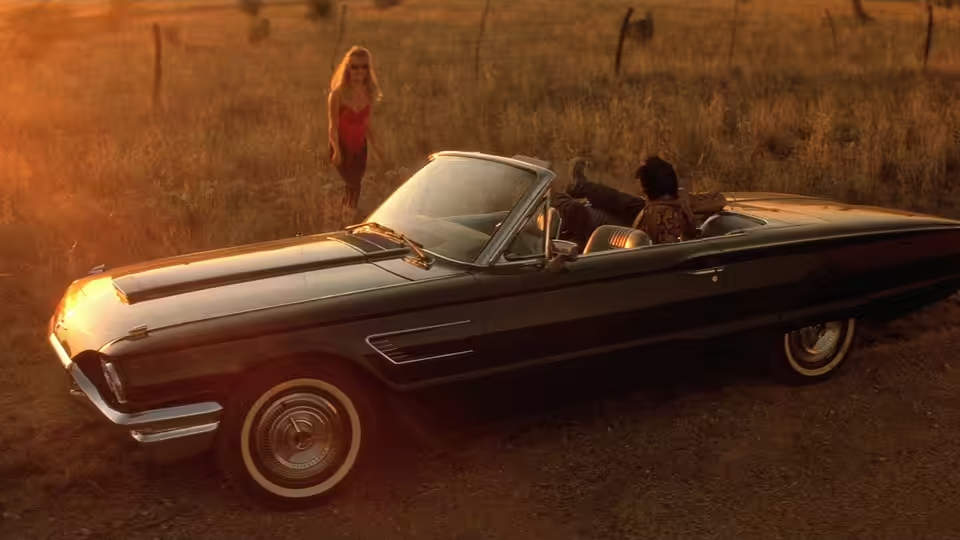
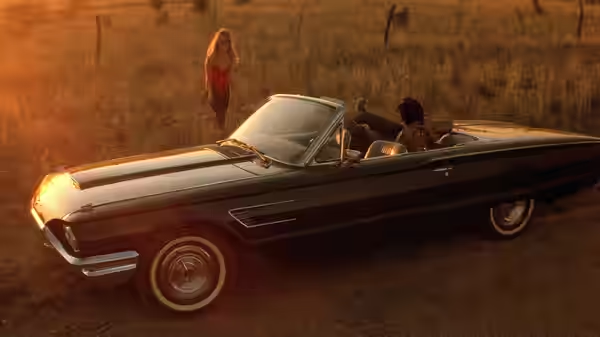
Frederick Elmes’s cinematography gives the film some discipline, using carefully composed frames and saturated colours to make its feverish changes of mood readable. There is pleasure in looking closely at an image even when the story has begun to wander. Patricia Norris’s production design helps make this America feel inhospitable to the lovers, which gives their wish to escape some force. The images remain compelling through stretches when the journey itself begins to drag.
Duwayne Dunham’s editing handles the jolts between romance, menace and comedy more persuasively than it handles the length of the journey. Individual changes of tone can make us sit up, but the accumulation of detours leaves stretches feeling longer than they should. Angelo Badalamenti’s music is well suited to the film’s overheated feelings, giving the romance enough weight to withstand some of the surrounding mockery. Neither the score nor the cutting can make every diversion feel necessary.
The references to The Wizard of Oz suit a road story about people looking for freedom in a frightening America. Lynch also draws on musical romance and Southern Gothic, and the mixture is often funny because Cage and Dern make their attachment so straightforward. The trouble comes when another eccentric encounter seems to exist chiefly to demonstrate how eccentric Lynch can be. The later stretches are less involving because their comedy too often weakens the danger.
That weakness matters because Lynch has persuaded us to care about Sailor and Lula, and sometimes seems willing to waste that achievement for a joke. Yet the affection between Cage and Dern survives enough of the distractions to keep this a romance worth watching. The 18 certificate is fair warning about the brutality; the warmth does not make it a gentle evening. Choose it when a love story with some nasty company sounds appealing.