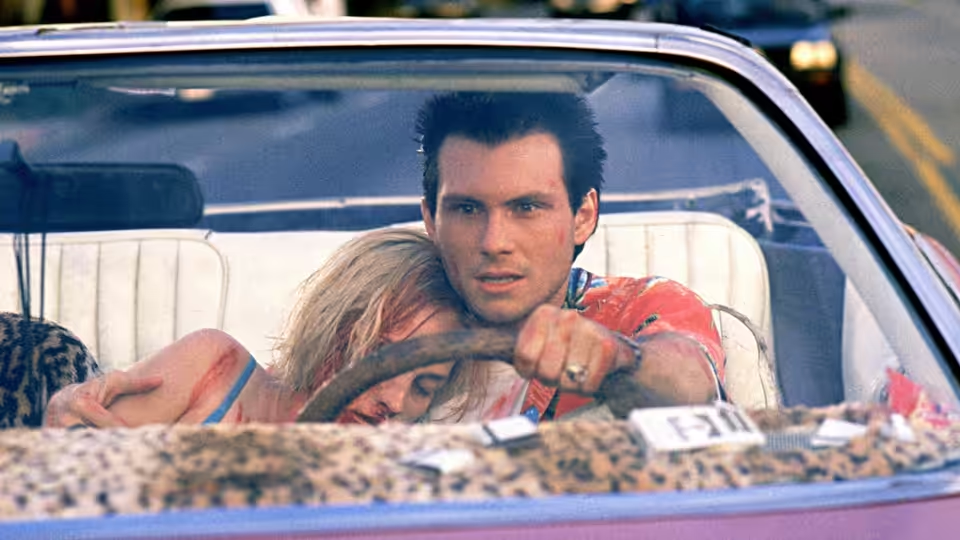
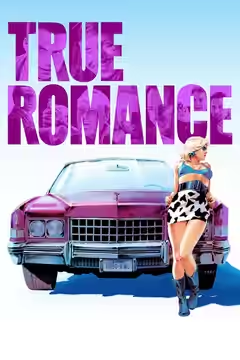
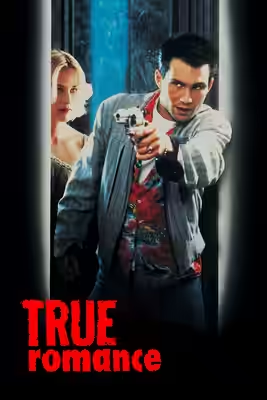
Tony Scott makes Quentin Tarantino’s violent fantasy unexpectedly tender, with Christian Slater and Patricia Arquette giving the romance its conviction. We recommend it for the lovers and the supporting cast, with a firm warning about the cruelty.
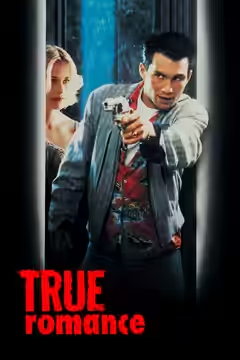
Tony Scott’s True Romance is a bloody, funny romantic fantasy that earns our affection despite its considerable appetite for cruelty. Quentin Tarantino writes as though any encounter might justify stopping the story, provided somebody has something worth saying. Scott gives those encounters enough speed and warmth to make the detours welcome. This is a good film to choose for the pleasure of actors enjoying dialogue, provided the prospect of graphic violence has not already settled the matter.
Christian Slater’s Clarence Worley supplies much of its reckless enthusiasm, a quality that could easily make him unbearable company. Slater lets us enjoy the excitement without asking us to mistake it for maturity. Patricia Arquette’s Alabama Whitman gives the romance a corresponding emotional directness, so their affection remains convincing inside a plot that repeatedly strains belief. The film needs us to care about them before it asks us to accept another excess, and these two do that work with surprisingly little fuss.
Tarantino’s writing supplies the pleasure of hearing people take language much further than the occasion requires. His criminals can be so pleased with their own nerve that we start waiting for the next outrageous line rather than listening to the person speaking. Scott is good at keeping that verbal showing-off funny without making every scene feel like a competition. He also knows when to let the actors make a conversation uncomfortable.
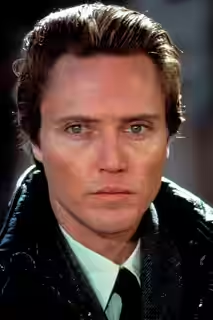
Dennis Hopper and Christopher Walken are particularly good at this. We found ourselves holding our breath during their confrontation, because the pleasure of watching the performers gives way to fear of what the conversation might bring. It is a useful reminder that this film can grip us without rushing. Gary Oldman and Brad Pitt make their supporting appearances count too, giving the succession of encounters a welcome variety of temperament.
Jeffrey L. Kimball’s cinematography gives the violence a glossy finish, helping Scott sustain the sense of a fantasy even when the bloodshed turns nasty. Benjamín Fernández’s production design suits these theatrical gangsters, although the polish of their surroundings can make the danger feel comfortably remote. Editors Christian Wagner and Michael Tronick keep the encounters brisk without hurrying Hopper and Walken through their conversation. The pace is a substantial pleasure, although it can carry us past a contrivance before we have had time to object.
Hans Zimmer’s jaunty score is an important part of the film’s warmth, encouraging us to share the couple’s excitement. That generosity is appealing, but the same indulgence becomes troublesome around the graphic violence. Scott makes cruelty entertaining often enough that some of the suffering seems to exist chiefly to prove how far the film will go. Anyone unconvinced by the romance may find the whole business juvenile, and we understand the objection.
For us, the affection survives the excesses. Crime films built around conspicuous dialogue and colourful supporting players can exhaust their welcome, but Slater and Arquette give this one a reason to return to its central couple. Scott deserves credit for taking their feelings seriously in material that invites a smirk. Choose it for a romance with an appetite for trouble, and take the 18 certificate seriously.