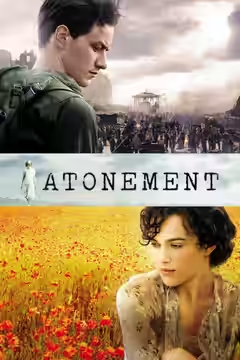
Anthony Minghella makes longing awkward and recognisable, and gives actors room to make us care. His best work is moving and unsettling, though sweetness and solemnity sometimes get in the way.
Fi1m perspective
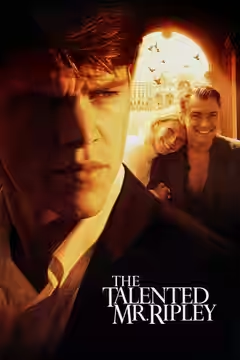
In The Talented Mr. Ripley (1999), Matt Damon's Tom works at being agreeable while Jude Law's Dickie scarcely has to try. We felt painfully embarrassed for Tom because Damon's eagerness exposes how badly he needs Dickie's approval. Anthony Minghella makes that need understandable before asking what it might excuse. His writing is strongest here, when wanting someone else's life becomes awkward and recognisable. The thriller's increasingly elaborate plotting puts too much strain on it, but the people remain worth watching.
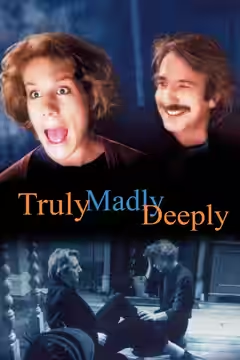
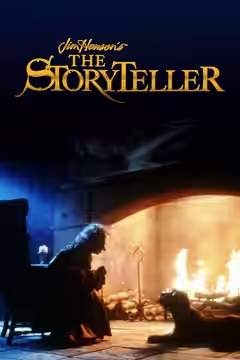
His television writing already allowed strange things to happen without explaining them away. For Jim Henson's The Storyteller (1988), Minghella adapted folk tales with room for wit and fear, though the programme can become too solemn. In Truly Madly Deeply (1991), the supernatural becomes a problem for Juliet Stevenson's Nina when Alan Rickman's Jamie, the man she mourns, returns. Allowing Jamie to be difficult gives the comedy something useful to do beyond interrupting the grief.
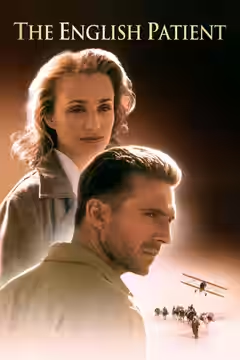
But Minghella can become anxious about leaving us with an uncomfortable feeling. In Truly Madly Deeply, he reaches for sweetness before Stevenson's grief needs any softening, and Barrington Pheloung's music presses the point. With The English Patient (1996), adapting Michael Ondaatje's novel, he gives the central romance and the people around it more room, sometimes too much. Gabriel Yared's score supplies emotional directness, while Kristin Scott Thomas supplies an urgency the screenplay cannot always sustain.
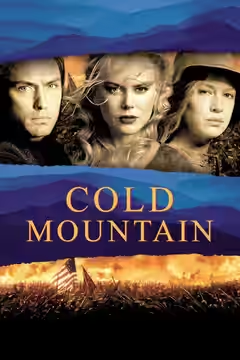
The larger literary adaptations continued with Cold Mountain (2003), from Charles Frazier's novel. His collaborators are especially useful when they make a character's desires visible. In Ripley, John Seale's cinematography makes the Italian surroundings inviting enough for Tom's fixation to seem understandable. Roy Walker's production design makes the wealth seem settled, leaving Tom's wanting conspicuous. Occasionally that polish softens the unpleasantness, but the scenery has a reason to be there.
We would begin with Ripley if the literary reputation sounds forbidding. Minghella makes its class envy and sexual longing painfully familiar, while the ensemble suggests lives that do not begin when Tom notices them. Save The English Patient for an evening without interruptions; it asks for enough patience without having to compete for it.
Biography
Anthony Minghella (6 January 1954 – 18 March 2008) was a British playwright, screenwriter and film director. He began his career writing for television, including episodes of Inspector Morse (1987), and had a background in theatre and radio before moving into feature films.
His directorial debut was Truly Madly Deeply (1991), which he also wrote. He achieved international acclaim with The English Patient (1996), for which he wrote the screenplay and directed; the film won nine Academy Awards, including Best Director for Minghella. Subsequent films he directed and wrote include The Talented Mr. Ripley (1999), Cold Mountain (2003) and Breaking and Entering (2006).
Minghella served as Chairman of the Board of Governors at the British Film Institute from 2003 to 2007. He received further Academy Award nominations for adapted screenplays and was posthumously nominated as a producer for The Reader (2008).