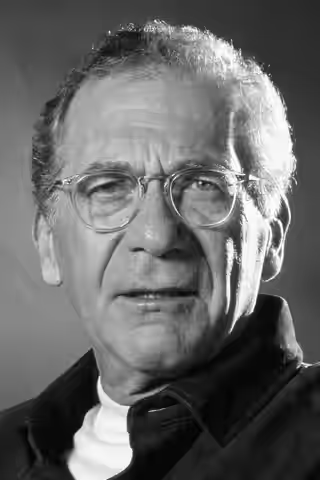
Sydney Pollack made star films for grown-ups: patient, well acted, decent about their people. When the story is a man thinking his way out of trouble, he was hard to beat. When it is a romance, the patience turns into distance.
Fi1m perspective
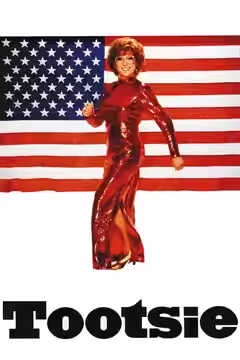
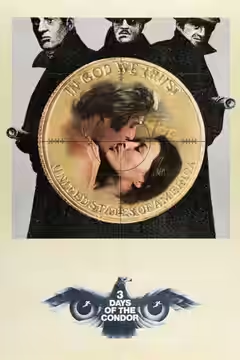
The typical Pollack scene is a man in a room working something out while the world waits. Robert Redford's Joseph Turner in Three Days of the Condor (1975) has a telephone, a threat and a few minutes to reason, and Pollack lets him use them. Dustin Hoffman's Michael Dorsey in Tootsie (1982) treats unemployment as a clerical mistake he can argue his way out of. Pollack trusts these people to be interesting while they think, and he is right more often than not. His camera does not push. Don Guidice's cutting on Condor gives Turner a chance to think and then a reason to move, and the suspense rarely needs forcing.
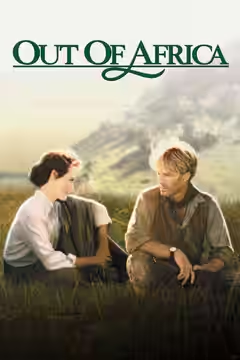
He came to directing from acting, having trained with Sanford Meisner at the Neighborhood Playhouse, and he spent the early 1960s in television, on The Fugitive and Ben Casey among others. The first feature was The Slender Thread (1965); They Shoot Horses, Don't They? (1969) got him noticed. From 1966 he and Redford worked together, seven films in all, including Jeremiah Johnson (1972), The Way We Were (1973), Condor and Out of Africa (1985). He directed less as the years went on and produced more.
What he did well was actors, and not only stars. Tootsie is Hoffman's film on the poster, but Pollack gives Jessica Lange someone whose feelings matter, Teri Garr an anxious precision that deserves as much attention, and Bill Murray a quieter corner, and he plays George Fields himself, resisting Hoffman and making the resistance funny. He was also good at the ordinary. In Condor, Owen Roizman, his cinematographer on five films, and Stephen B. Grimes's production design keep the city plain, so we look at doorways and lifts for danger. Pollack could make the CIA seem capable of treating a man's survival as an administrative complication, and he did it without making the settings glower before anyone walked in.
The weakness is love. The romance in Condor is the part we did not believe. In Out of Africa, 161 minutes of it, we sat waiting for Redford's Denys to want something badly enough to disturb the furniture, and we ended up admiring Milena Canonero's costumes instead, which is not what a love story is for. Redford's reserve served the thriller. In the romance Pollack seems to share it: he gives the courtship plenty of time and the attraction seldom becomes urgent. The standard complaint about him is that he had no style of his own. We think that half right. There is no visual signature, but there is a temperament, patient and reasonable, and a romance needs at least one person on screen who is neither.
He said all his films were character-driven pictures about people he was interested in, and that holds even when the pictures do not. Start with Tootsie, then Condor, and decide how you feel about Redford before you commit 161 minutes to Out of Africa.
Biography
Sydney Pollack (1934–2008) was an American film director, producer and actor. Born in Lafayette, Indiana, he began his career in the 1960s and directed numerous studio films over four decades.
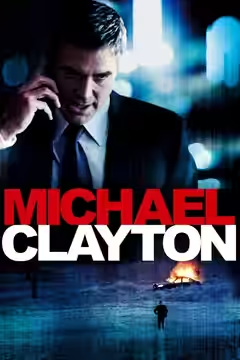
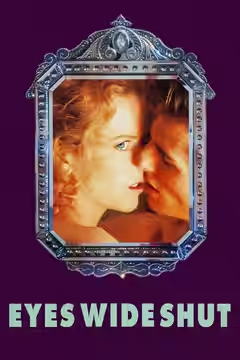
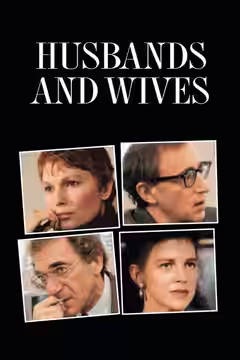
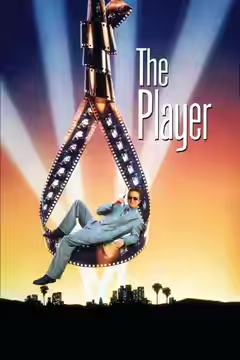
His best-known directorial work includes They Shoot Horses, Don't They? (1969), Jeremiah Johnson (1972), The Way We Were (1973), Three Days of the Condor (1975), Tootsie (1982) and Out of Africa (1985), for which he won Academy Awards for Best Director and Best Picture. He also produced films such as Presumed Innocent (1990) and acted in The Player (1992), Husbands and Wives (1992) and Eyes Wide Shut (1999).