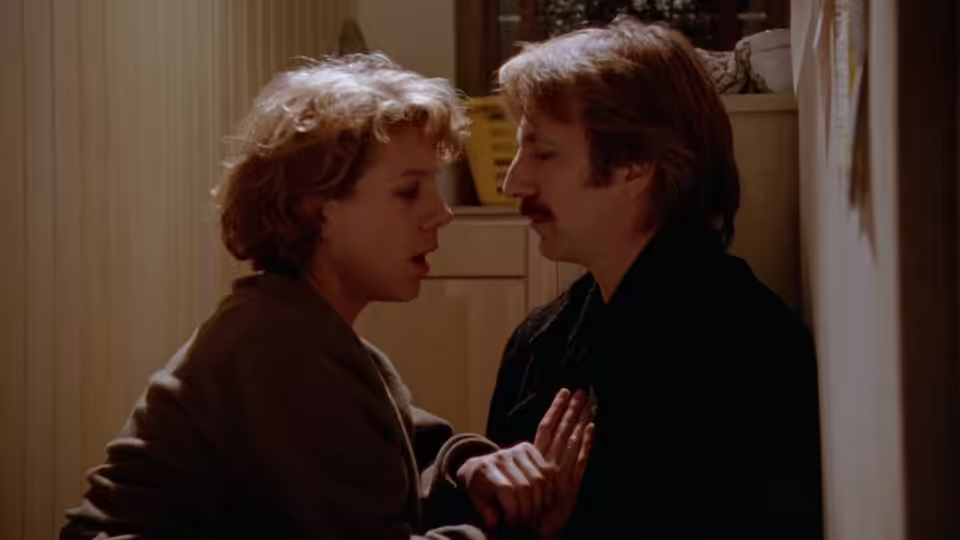
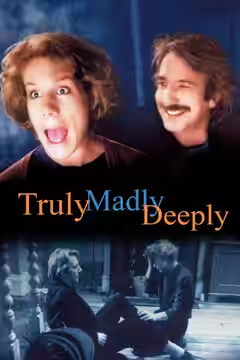
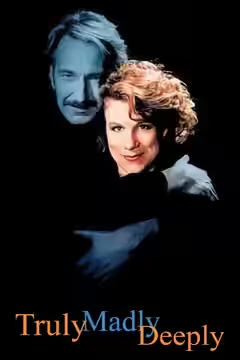
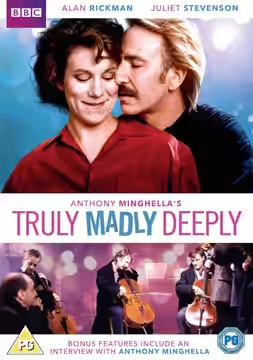
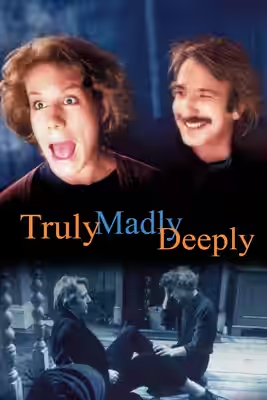
Juliet Stevenson and Alan Rickman make this ghost romance moving, funny and worth the occasional wince at its sweetness. Anthony Minghella trusts his actors more successfully than he trusts us to feel without encouragement.
Anthony Minghella’s Truly Madly Deeply is a moving, funny romance with one irritating habit: it occasionally insists on being charming. We recommend it for Juliet Stevenson and Alan Rickman, who make the grief and the ghost equally convincing. Minghella, who also writes the screenplay, asks what happens when bereavement is interrupted by the person being mourned. Nina wants Jamie back, and the film takes that wish seriously enough to consider the difficulties of granting it.
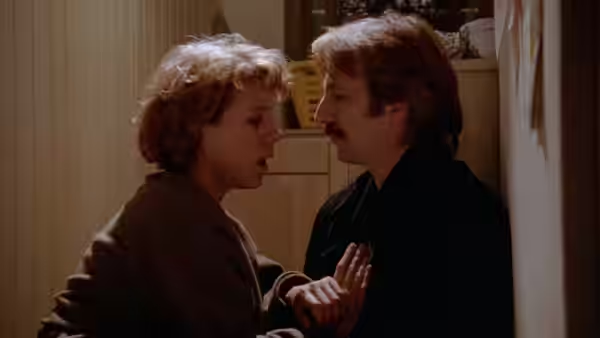
Stevenson’s Nina gives the fantasy something substantial to work with before there is anything supernatural to explain. We were moved by her early grief, because Stevenson makes the longing for Jamie feel embarrassingly private. There is no need to admire the character’s courage before caring about her pain. Stevenson allows Nina to be absorbed by what she has lost, and that gives the reunion its force: we understand why this woman needs the impossible to happen.
Rickman’s Jamie is funny partly because returning from the dead has not made him an ideal companion. His selfishness is recognisable, and Rickman finds amusement in it without making Nina seem foolish for loving him. The performance gives her longing a useful complication, since the person she misses can also be a nuisance. Together, the actors make affection convincing without pretending that either a relationship or its sudden restoration could be effortless.
Remi Adefarasin’s cinematography gives the performances the prominence they need; Stevenson’s distress holds our attention without the photography demanding admiration of its own. Barbara Gosnold’s production design gives the supernatural romance a welcome ordinariness, helping Jamie feel like someone Nina might actually live with. John Stothart’s editing is more persuasive with the grief than with some of the changes into comedy. Those shifts can make Nina’s pain seem too easily set aside, just when the actors have persuaded us to take it seriously.
Barrington Pheloung’s music is less welcome when it presses for tenderness already supplied by Stevenson. Minghella has a related weakness as a writer: he sometimes seems unwilling to leave an uncomfortable feeling alone, reaching for sweetness or humour too quickly. The jokes give Rickman useful room, but not every change of mood earns its place. This is where the film becomes cloying, and the effect is frustrating because the central performances require so little assistance.
The humour still belongs here. A ghost romance has an obvious temptation to make the returned lover perfect, and Minghella gets considerable mileage from allowing Jamie to be difficult. That gives the comedy a purpose beyond providing relief between passages of mourning. The trouble comes when the film appears too pleased with its own gentleness, softening feelings that Stevenson has made painful and particular.
Its 106 minutes ask for some tolerance of that sweetness, but the actors repay it. Choose it for an evening when a romance can accommodate irritation as well as devotion, and when laughter need not mean the sadness has been dealt with. Anyone usually suspicious of a comforting ghost story should give Stevenson the chance to make it uncomfortable.