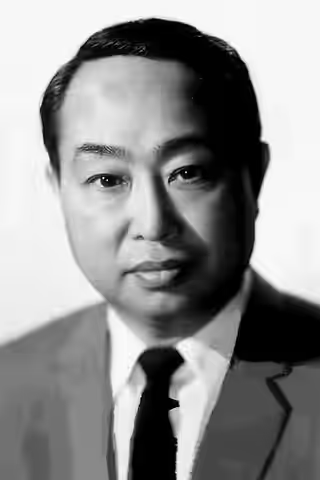
Daisuke Katō brings an everyday warmth to loyal comrades and a useful foolishness to comic thugs. We value him most in Kurosawa's ensembles, though the familiar casting can hide how much work he is doing.
Fi1m perspective
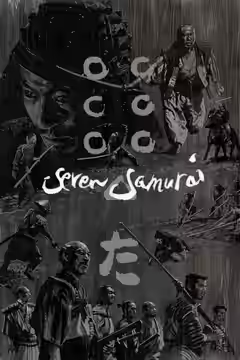
Daisuke Katō's Shichiroji is a loyal comrade to Kambei in Seven Samurai (1954), and Katō makes that loyalty easy to believe. We warmed to him because he makes standing by another man seem an ordinary, sensible thing to do. In a film whose recruitment is as absorbing as its fighting, that sincerity matters. There is pleasure in getting to know someone dependable, and Katō gives us reason to pay attention to him among the more demonstrative members of the group.
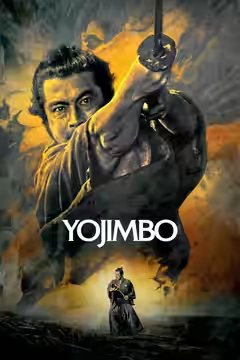
Yojimbo (1961) gives him Inokichi, Ushitora's brother and a comic antagonist, and puts his aptitude for foolish thugs to work. Katō is useful to Akira Kurosawa's dark humour because he can be funny without making his character admirable. Mifune's scruffy, calculating samurai carries the film, but there is room around him for this broader comic playing. The scheming grows repetitive, a reservation worth keeping even when the performances and the clear staging make the film so easy to enjoy.
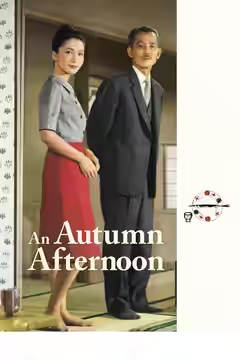
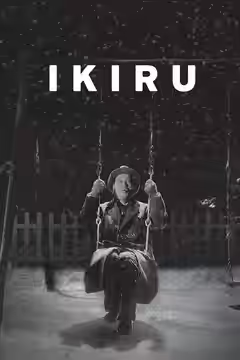
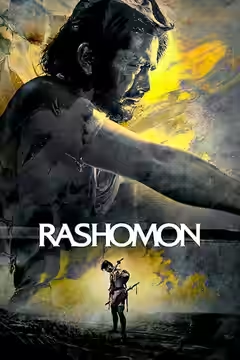
His earlier Kurosawa work includes a policeman in Rashomon (1950) and a yakuza in Ikiru (1952). Yet calling Katō a supporting actor leaves out the comedies he led, including the Ōban adaptations and Shachō films. Those leading parts are a useful correction to the idea that his job was always to help somebody else hold our attention. His collaborators also included Mikio Naruse and Yasujirō Ozu, with Yoshitaro Sakamoto in Ozu's An Autumn Afternoon (1962) among his later roles.
The reservation is that casting him repeatedly as the rotund everyman or comic thug could make the assignments predictable. Those roles suit his brisk, cheerful manner, though they can also encourage us to recognise the type and stop looking. Kurosawa gets good work from him in ensembles: in Seven Samurai, where we found Mifune overemphatic at times, Katō's loyal Shichiroji helps make the company worth caring about. Start with Seven Samurai, but leave room for the less amiable Katō of Yojimbo.
Biography
Daisuke Katō (加東大介) was a Japanese actor. Born on 18 February 1911 in Tokyo, he died on 31 July 1975. He appeared in over 200 films, including several directed by Akira Kurosawa.
Katō began his career in the theatre, joining the Zenshinza Theatre Company in 1933 and performing under the stage name Enji Ichikawa. After the Second World War he worked for Daiei and later Toho studios. He collaborated repeatedly with directors including Yasujirō Ozu, Mikio Naruse and Kenji Mizoguchi.
He is known for his role as Shichiroji in Seven Samurai (1954), the policeman in Rashomon (1950), Inokichi in Yojimbo (1961), and appearances in the Samurai Trilogy (1954–1956). He also received best supporting actor awards from the Mainichi Film Contest and the Blue Ribbon Awards in 1952.