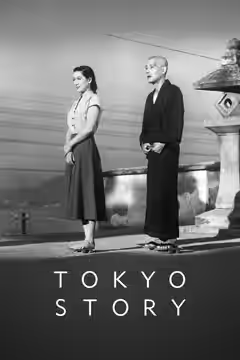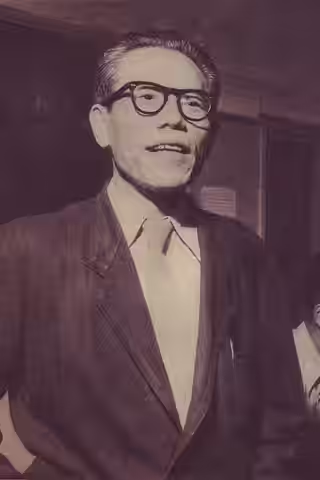
Eijirō Tōno makes a tavern keeper or a bitter drinking companion worth watching without insisting on our attention. We value that grounded supporting work; Yojimbo and Tokyo Story are the places to begin.
Fi1m perspective
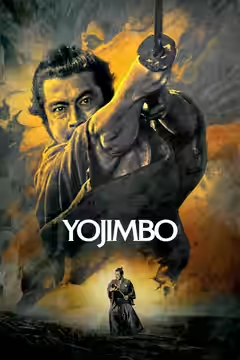
In Yojimbo (1961), Eijirō Tōno’s Gonji is the tavern keeper who becomes the wandering samurai’s ally and confidant. Beside Toshirō Mifune’s scruffy, calculating performance, his grounded presence is useful: the leading man has someone credible to talk to. Akira Kurosawa’s thriller depends on sharply staged action and dark humour, and Tōno belongs comfortably in that company without competing for the centre. The scheming does grow repetitive, but the film gives us ample reason to stay with it.
The earlier Tokyo Story (1953) gives him Numata, the elderly protagonist’s bitter drinking companion, rather than anyone likely to put things right. We were upset by the family’s ordinary neglect, because Yasujirō Ozu makes it recognisable without supplying an easy villain. Chishū Ryū and Setsuko Hara carry the performances we most admire here; Tōno’s smaller contribution fits a film that allows people to be disappointing without dismissing them. The deliberate pace asks for patience at first, though the smaller roles are one reason not to hurry it.
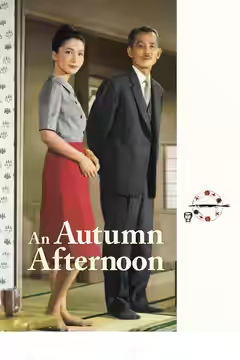
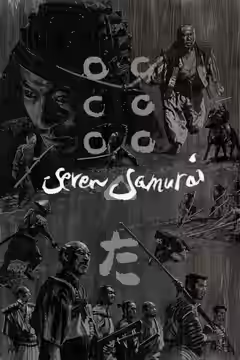
These parts sit within a long run of supporting work, from the late 1940s to 1990, including seven films with Kurosawa and four with Ozu. In Seven Samurai (1954) he is a kidnapper; in An Autumn Afternoon (1962), a former teacher running a noodle shop. He was frequently cast as factory workers, policemen and elders, and his naturalistic acting suits people whose standing is established without a long explanation.
The later title role in the television period drama Mito Kōmon (1969–1983), sustained for 381 episodes, makes clear that he was not confined to small parts. We would still begin with the films, where the contrast between Kurosawa and Ozu lets us see how useful the same grounded actor can be in different company. Yojimbo is the easier invitation, provided a little repetitive plotting is not a deterrent. Save Tokyo Story for an evening when there is no need to hurry.
Biography
Eijirō Tōno (東野英治郎) was a Japanese actor. Born on 17 September 1907 in Tomioka, Gunma, he died on 8 September 1994 in Tokyo. Over a career spanning more than fifty years he appeared in nearly 250 films and over 400 television productions, as well as numerous stage plays. He trained at Meiji University and was a founding member of the Haiyuza Theatre Company.
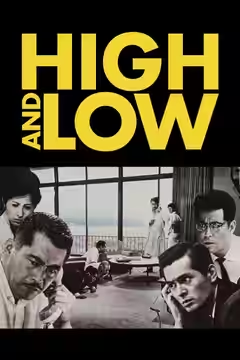
Tōno is known in the West for supporting roles in films directed by Akira Kurosawa, including Seven Samurai (1954) and Yojimbo (1961), and by Yasujirō Ozu, including Tokyo Story (1953) as Numata and An Autumn Afternoon (1962). He also appeared in High and Low (1963), Red Beard (1965), Tora! Tora! Tora! (1970) as Admiral Chuichi Nagumo, and his final film A-ge-man (1990). In Japan he starred as the title character in the long-running jidaigeki television series Mito Kōmon from 1969 to 1983.