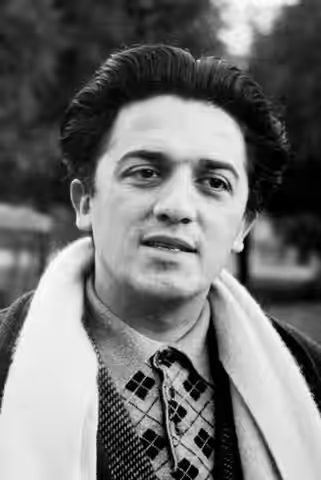
Federico Fellini makes awkward people worth caring about, and we rate him highly for it. His wandering stories can be funny and moving, though the parties and visions sometimes last longer than our patience.
Fi1m perspective
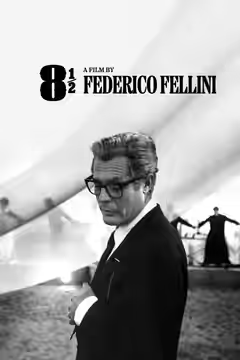
In 8½ (1963), a film director arrives at a spa and cannot manage either his rest or his next picture. A producer wants answers about a rocket launch tower; a mistress needs another hotel. Fellini makes the failure to get anything done funny, while allowing the screenplay to circle the same anxieties. We would send a stranger to it, despite the corridors, auditions and encounters eventually beginning to repeat.
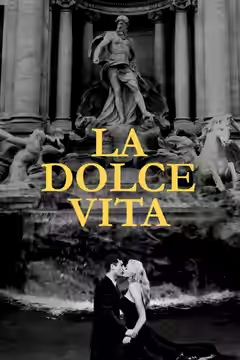
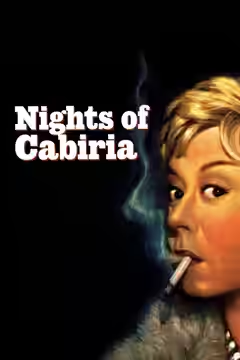
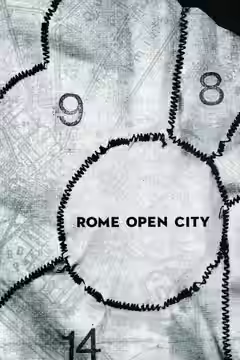
That interest in troublesome company was there in his screenwriting for Roberto Rossellini's Rome, Open City (1945), alongside Sergio Amidei and Rossellini himself. Aldo Fabrizi's comic ease as the priest makes room for laughter within the war drama. In Nights of Cabiria (1957), Giulietta Masina gives the heroine an awkward exuberance that prevents her becoming merely someone to pity, although Fellini presses her suffering too hard. By La Dolce Vita (1960), the story wanders through celebrity life in Rome, with Marcello Mastroianni keeping its agreeable, compromised central man worth following.
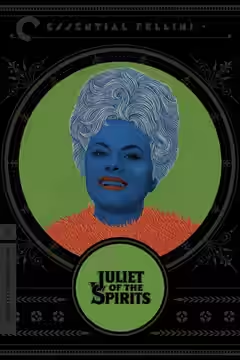
Fellini wrote 8½ with Ennio Flaiano, Tullio Pinelli and Brunello Rondi, and the same four writers wrote Juliet of the Spirits (1965). The move from a blocked director to Giulietta Masina's distracted wife exposes a weakness. Guido has work to avoid; Giulietta has too little to do while the film supplies another vision or another visit. The fantasies need no warning or explanation, but the repeated excursions through her marriage and memories leave the second hour shapeless.
In Juliet of the Spirits, cinematographer Gianni Di Venanzo's pale villa and deep red interiors make those excursions worth looking at. Piero Gherardi's sets and extravagant hats help, though we eventually become more interested in the furnishings than in Giulietta. Editor Ruggero Mastroianni moves fluently between memory and the present without solving that problem. Nino Rota's organ and brass suit the parties, but his music keeps intruding in the bedroom.
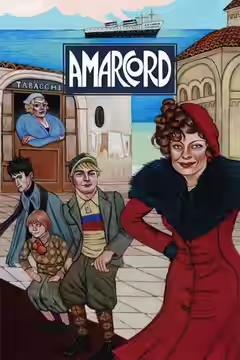
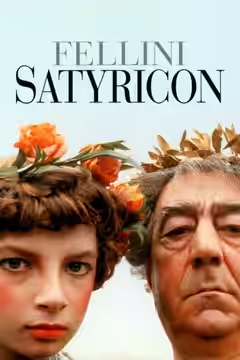
Satyricon (1969), written with Bernardino Zapponi, pushes that imbalance further: the buildings and costumes hold our interest longer than the central pursuit. Amarcord (1973), written with Tonino Guerra, gives the interruptions a better purpose by letting a whole town compete for attention. We laughed at its public gatherings because each fresh face brought another attempt to outdo the neighbours. The sexual jokes grow repetitive, but the crowded scenes keep finding new people worth watching. Start with 8½; for a warmer evening, try Amarcord and forgive a few long anecdotes.
Biography
Federico Fellini was an Italian film director and screenwriter. Born in Rimini in 1920, he began his career in the 1940s as a screenwriter and assistant director, including work on Roberto Rossellini's Rome, Open City (1945). He directed his first feature, Variety Lights, in 1950.
Fellini is known for films including La Strada (1954), Nights of Cabiria (1957), La Dolce Vita (1960), 8½ (1963) and Amarcord (1973). He frequently collaborated with actor Marcello Mastroianni and his wife, actress Giulietta Masina. Four of his films won the Academy Award for Best Foreign Language Film.
He received the Palme d'Or for La Dolce Vita and an honorary Academy Award for lifetime achievement in 1993, the year of his death in Rome.