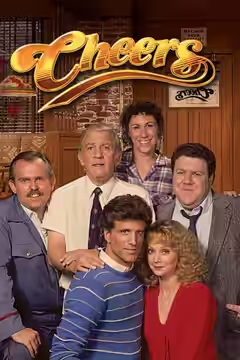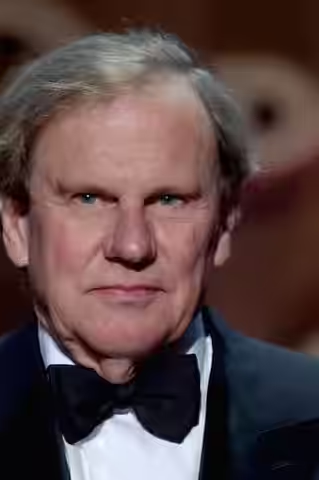
Glen Charles, writing with his brother Les, makes vanity and embarrassment keep a conversation going. We rate that craft highly: Cheers gives its quarrels room to develop, even if familiarity sometimes makes the next insult too easy to predict.
Fi1m perspective
In Cheers (1982), a wounded ego gives an argument another reason to continue. Glen Charles and his fellow writers make each remark demand a response, so that nobody can quite afford to stop talking. We recommend the series warmly for that patient attention to people being difficult. The affection is there, but it never requires them to behave better.
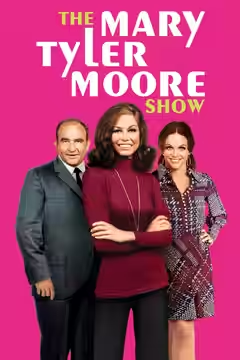
His professional work was all done with his brother Les, so separating their individual contributions would be guesswork. They entered television writing in 1975 on MASH (1972), before writing for The Mary Tyler Moore Show (1970) among other MTM programmes. Both series reward an interest in the whole ensemble. In MASH, we find the tenderness most persuasive when it comes through people’s dealings with one another; The Mary Tyler Moore Show makes patience funny.
As head writers and producers on Taxi (1978), the brothers took on responsibility for sustaining that kind of ensemble across scripts. Creating Cheers with James Burrows in 1982 gave them a bar full of recurring grievances and room for relationships to change. The continuing Sam–Diane romance extended the interest beyond the quarrel immediately at hand. It also sharpened the problem of a long-running comedy: how often can familiar people have familiar arguments before we start supplying the replies?
Burrows’s direction is essential to why Cheers works. He holds a conversation together while allowing a reply to arrive a fraction late, exposing the speaker’s difficulty. We laughed at those pauses because the embarrassment had time to register before the next line. The scripts give him vanity and wounded pride to work with, rather than a succession of insults that could belong to anybody. Charles’s preference for structured jokes and a firm comic ending to a scene suits this precision, though repeated quarrels can eventually leave the writing too little to do.
After Cheers ended in 1993, the brothers largely retired; their final produced writing credit was the screenplay for Pushing Tin (1999). Choose Cheers when there is time to get to know the regulars. Just do not expect familiarity to improve their manners.
Biography
Glen Charles is an American screenwriter and television producer. Born on 18 February 1943 in Henderson, Nevada, he attended the University of Redlands and began his career as an advertising copywriter before moving into television writing with his brother Les Charles.
The brothers' early credits include episodes of MASH (from 1975), The Mary Tyler Moore Show (1977), Phyllis and The Bob Newhart Show. They served as head writers and producers on Taxi (1978–1982) and co-created and produced Cheers (1982–1993) with James Burrows. They also wrote the screenplay for the 1999 film Pushing Tin. Their work on Cheers and Taxi* earned multiple Primetime Emmy Awards.