Les Charles writes comedy in which embarrassment keeps a conversation going long after good sense would stop it. Working with Glen Charles, he helped make Cheers a place worth returning to, despite the familiar quarrels.
Fi1m perspective
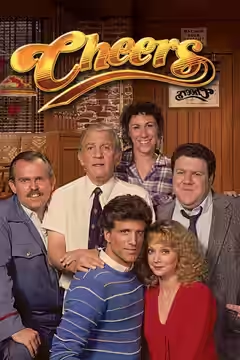
In Cheers (1982), a wounded ego seldom lets an argument end when it ought to. Someone has to answer, and the answer gives somebody else a fresh reason to take offence. Les Charles, who created the series with Glen Charles and James Burrows, is particularly good at finding the next laugh in that need to reply. We recommend this writing warmly: vanity and embarrassment keep producing fresh trouble, and affection never excuses anyone from being a nuisance.
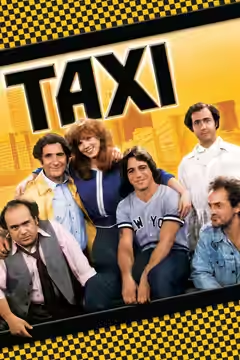
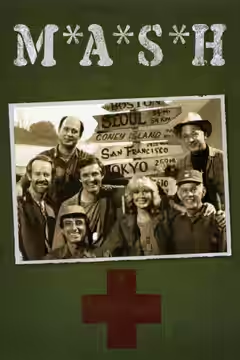
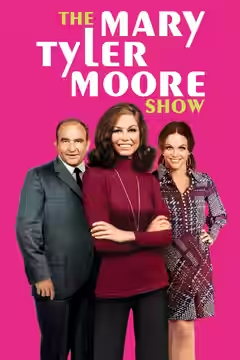
Charles began with his brother Glen, selling a script to MASH (1972) in 1975. Writing for The Mary Tyler Moore Show (1970) put him in another ensemble where patience with difficult colleagues could be funny. The pair then became head writers and producers on Taxi (1978), before creating Cheers with Burrows. We would not credit one contributor with everything those earlier programmes achieve, but their pleasure in people talking is a useful way into his work. After Cheers, he largely withdrew, with Pushing Tin* (1999) his final produced writing credit.
The partnership with Glen matters here: their writing and producing were done together, so treating Les as a solitary author would be misleading. Burrows's direction on Cheers preserves the sound of a conversation while delaying a reply just long enough to expose the speaker's difficulty. We laughed at those pauses because the embarrassment was already funny before the next insult arrived. The scripts give the performers a reason to keep arguing, and Burrows leaves room for us to enjoy their discomfort.
There is a limit to how often the same quarrel can be renewed. Cheers occasionally reaches it, when familiarity makes the writing predictable rather than rewarding. The continuing Sam–Diane romance nevertheless gives us people to follow across episodes, an important part of Les and Glen's approach to ensemble comedy. We prefer the stretches where each new remark requires another response, rather than those where we can anticipate the whole dispute. Start with Cheers, a few episodes at a time if the repeated quarrels begin to grate.
Biography
Les Charles is an American television writer and producer. Born on 25 March 1948 in Henderson, Nevada, he attended the University of Redlands and worked as a high school English teacher before entering television writing with his brother Glen Charles.
The brothers sold their first script to MASH in 1975 and joined the staff at MTM Productions. They wrote for The Mary Tyler Moore Show (one episode in 1977), Phyllis, The Bob Newhart Show and The Betty White Show. They later produced Taxi and created Cheers with James Burrows under the Charles-Burrows-Charles company. Charles also received writing credit on the film Pushing Tin* (1999).
The brothers were jointly awarded the Writers Guild of America Paddy Chayefsky Laurel Award for Television in 2002.