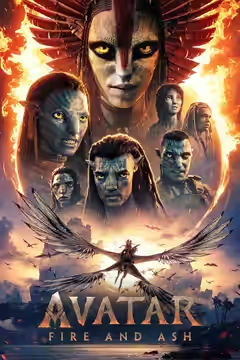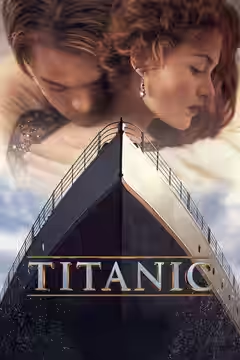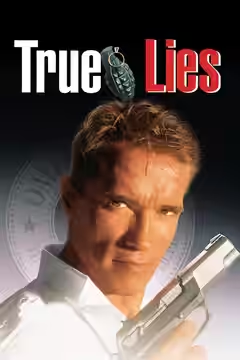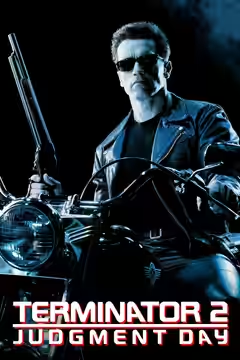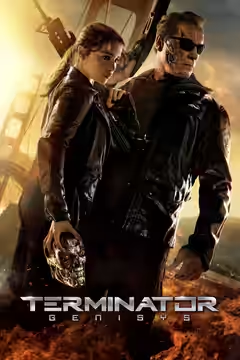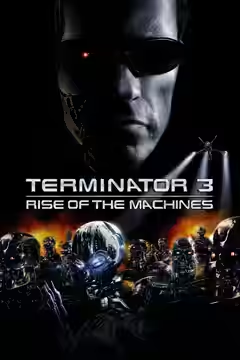
James Cameron writes action we can always follow and some of the plainest dialogue in the business. His people tell us what they feel after we have already seen it, and the films work anyway, because he always knows where everybody is standing.
Fi1m perspective
Somebody in a James Cameron film is about to tell us exactly what they feel, and we will already know. In Terminator 2: Judgment Day (1991) the script stops to insist on a humanity Arnold Schwarzenegger and Edward Furlong have shown us without help. In Titanic (1997) the class divide is explained several times after one look at the dining room has done the job. In Avatar: Fire and Ash (2025) Sam Worthington is handed the word family and says it often. Cameron has written like this for forty years, and the odd thing is how little it has cost him.
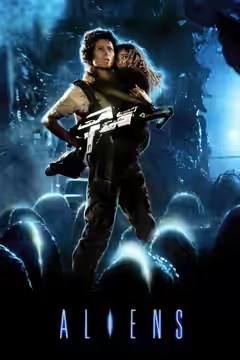
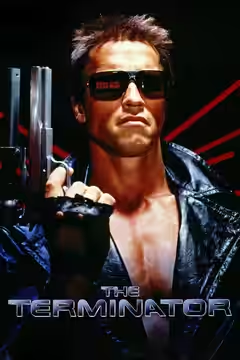
He came up through Roger Corman's New World Pictures and a debut nobody would build a career on, Piranha II: The Spawning (1982). The Terminator (1984), written with Gale Anne Hurd, is where the method arrives: a machine, a waitress, and a chase that treats staying alive as enough of a story. Aliens (1986) turns horror into a war film and gives Sigourney Weaver's Ripley a child to protect through practical work rather than speeches. Terminator 2, written with William Wisher, made the machines frightening again and the people worth worrying about. True Lies (1994) and Titanic followed, then years of deep-sea documentaries, then Avatar (2009), where he has stayed since, through The Way of Water (2022) and Fire and Ash.
What works is the geography. The hour in which the ship goes down in Titanic frightened us, and it frightened us because we could always tell where everyone was; Cameron cut it with Conrad Buff IV and Richard A. Harris so that the spectacle never swallowed the people. The same clarity runs through the chases in The Terminator, with Brad Fiedel's synthesiser pushing them forward, and through the marines' retreat in Aliens. His other gift is that we want his people on screen when nobody is fighting. Linda Hamilton's Sarah Connor and Weaver's Ripley are the reasons the noise never becomes only noise.
What does not work is the pressing. James Horner's score for Titanic swells at feelings the actors have already earned, and Simon Franglen does the same at every battle in Fire and Ash until we stopped believing him. The marines in Aliens announce their personalities and leave. The marital detour in True Lies asks us to laugh at Jamie Lee Curtis's humiliation and then to care about her marriage. And the Pandora films have started to repeat their own shape; Fire and Ash has five editors, Cameron among them, and none of them could find the forty minutes that needed to go. Yet there is a quiet stretch about Spider, the human boy the Sullys half-adopted, where Cameron lets a scene stay still, and it moved us more than we were ready for. He can do it. He mostly chooses not to.
He has been on Pandora since 2009 and shows no sign of coming home. Start with the first three films instead. They are the shortest, the frightening parts still frighten, and the people in them say roughly a third of what the people in the later ones say.
Biography
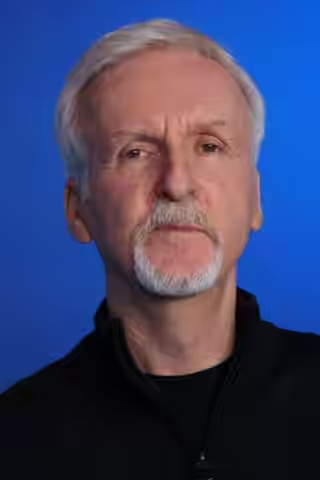
James Cameron is a Canadian filmmaker, born on 16 August 1954 in Kapuskasing, Ontario. He began his career in the late 1970s after moving to California, working initially in production roles before directing his first feature, Piranha II: The Spawning (1982).
Cameron gained recognition with The Terminator (1984), which he wrote and directed. Subsequent films include Aliens (1986), The Abyss (1989), Terminator 2: Judgment Day (1991), True Lies (1994), Titanic (1997) and Avatar (2009). He directed, wrote, co-produced and co-edited Titanic, which won Academy Awards for Best Picture, Best Director and Best Film Editing. He has also produced Solaris (2002) and directed Avatar: The Way of Water (2022) and Avatar: Fire and Ash (2025), on which he is credited as director, screenwriter, story writer, editor and producer.