James Ivory makes period rooms inviting and watches who is allowed to feel at home in them. We value his patient attention to actors, though the polished surfaces can keep hardship at a distance.
Fi1m perspective
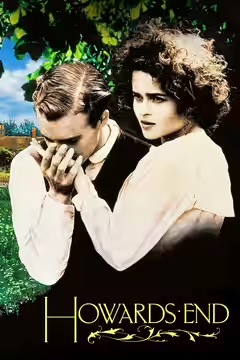
In Howards End (1992), Ivory gives conversation enough time for people to reveal what they take for granted. The comfortable characters have little reason to question their good opinion of themselves, and he allows us to see why they feel entitled to it. We were moved by Emma Thompson’s warmth because it makes the effort to be kind matter in a story where money has already determined so much. He is good at showing how a social slight can hurt without making the person responsible into a convenient villain.
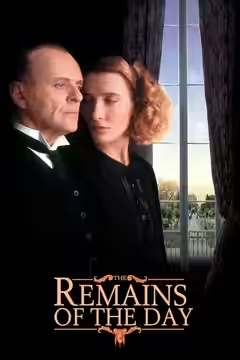
His early work was often set in India, before literary adaptations became increasingly prominent from the late 1970s onwards. Producer Ismail Merchant and screenwriter Ruth Prawer Jhabvala were central collaborators in that career. A Room with a View (1985) and Maurice (1987) led towards Howards End, with The Remains of the Day (1993), adapted from Ishiguro, following it. Ivory’s recurring interest in outsiders found a natural home in stories about class and social constraint. Feelings held in check became as important to these films as anything their characters could bring themselves to say.
The rooms matter, and dismissing them as decoration misses what works in Howards End. Cinematographer Tony Pierce-Roberts and production designer Luciana Arrighi make this world attractive enough for us to understand why exclusion from it hurts. Yet their immaculate finish can also soften the hardship Ivory is asking us to consider. Richard Robbins’s score keeps the emotion steady, while the storytelling sometimes pauses too long and then hurries a relationship that needed more time. Ivory’s patience with actors is more dependable here than his control of the film’s pace.
Writing rather than directing Call Me by Your Name (2017) was a later change of role within the same practice of adapting novels. For a first encounter with Ivory as a director, though, we recommend Howards End. Allow for the uneven pace; Thompson and Redgrave are worth spending the time with.
Biography
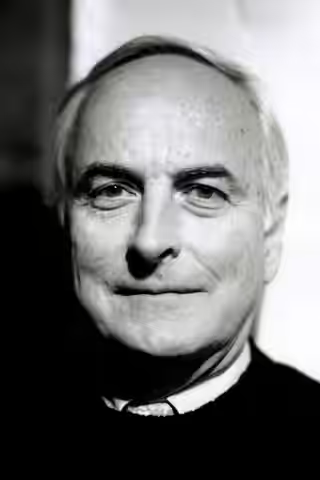
James Ivory is an American film director. Born in Berkeley, California, he studied at the University of Southern California and began his career making documentaries before forming Merchant Ivory Productions with producer Ismail Merchant in 1961.
Ivory is best known for his long collaboration with Merchant and screenwriter Ruth Prawer Jhabvala. Their films include literary adaptations such as A Room with a View (1986), Maurice (1987), Howards End (1992) and The Remains of the Day (1993). He later wrote the screenplay for Call Me by Your Name (2017), for which he won the Academy Award for Best Adapted Screenplay.