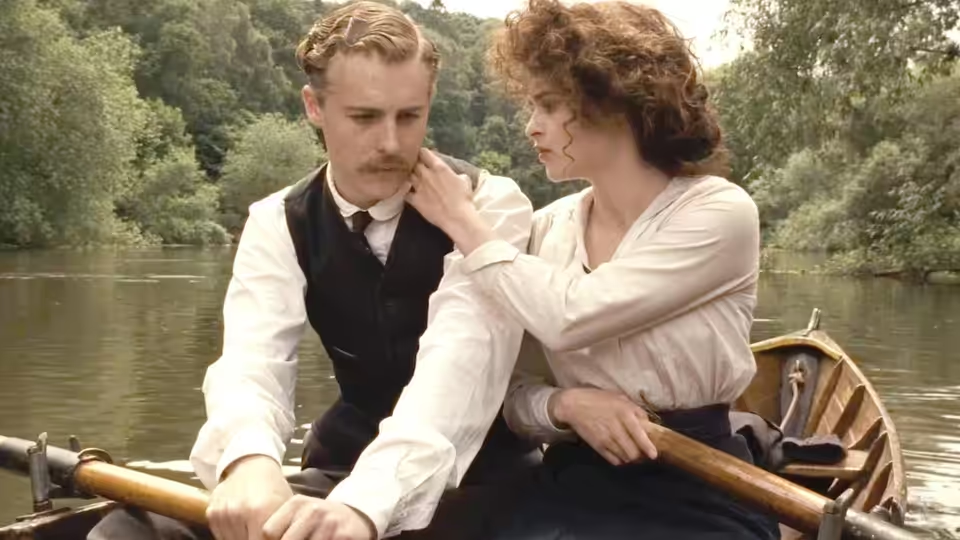
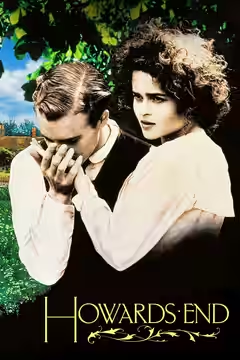
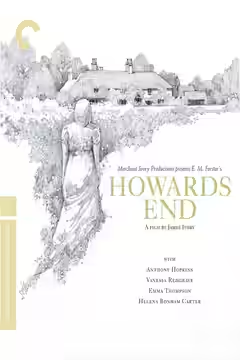
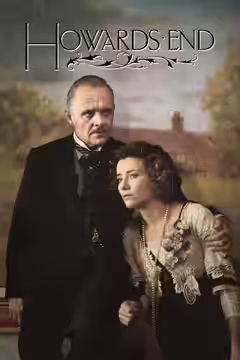
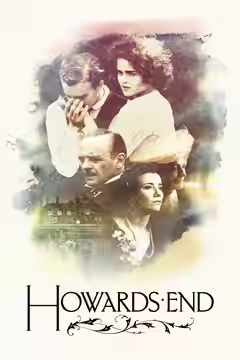
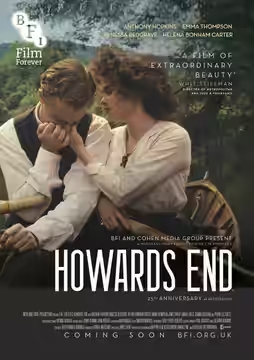
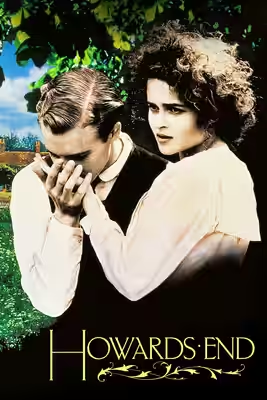
Emma Thompson gives James Ivory’s adaptation of E.M. Forster’s warmth, wit and a reason to care about every social slight. We recommend it warmly, despite some hurried relationships and pauses that make the storytelling feel more episodic than it should.
Howards End is a fine literary adaptation with enough feeling to make its social distinctions matter, and a few too many pauses between them. James Ivory directs E.M. Forster’s story of class and inheritance without treating the people in it as an excuse to inspect the period furnishings. The film asks how much kindness can achieve when money has already decided whose comfort counts. Its performances give even the least generous characters reasons to feel secure in themselves.
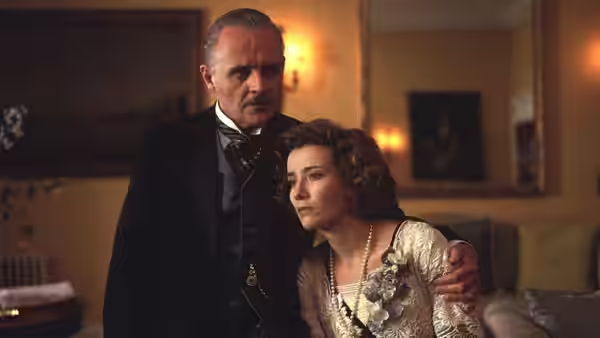
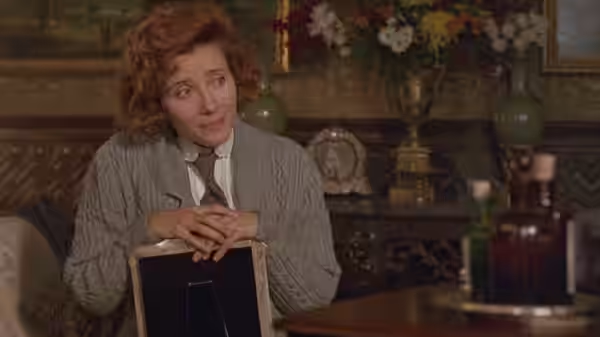
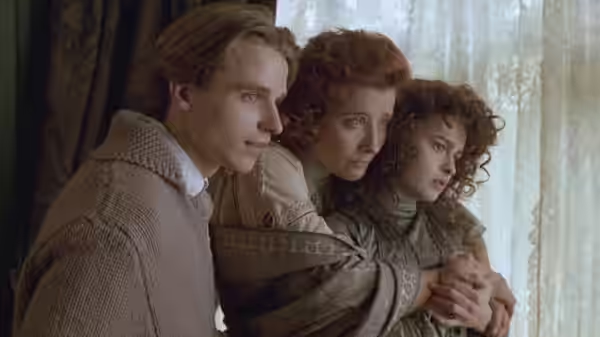
Emma Thompson’s Margaret Schlegel is the reason to stay with it. Thompson makes her intelligence approachable: the humour matters as much as the compassion, and she listens as though another person might still change her mind. We were moved by the care in that listening, because it makes Margaret’s concern for others feel like something she must keep choosing. There is a danger of making her too saintly, but Thompson gives the goodness enough wit to keep it human.
Anthony Hopkins, as Henry J. Wilcox, makes self-interest sound so reasonable that we can understand how it escapes examination. He does not need to advertise Henry’s faults; his assurance does the work. Vanessa Redgrave’s Ruth Wilcox offers a quieter kind of authority, and her presence keeps the film from becoming a debate conducted only by its most articulate people. Samuel West as Leonard Bast is important to the balance: sympathy cannot stop with those who can afford to be sympathetic.
Tony Pierce-Roberts’s cinematography and Luciana Arrighi’s production design make the period world inviting, which is useful in a story about the people it excludes. The care spent on its appearance helps us understand the attraction of belonging to it. We never feel that Ivory dislikes comfort; he is interested in the ease with which comfortable people mistake their circumstances for their merits. At times, though, the finish is so immaculate that hardship feels less immediate than the rooms surrounding it.
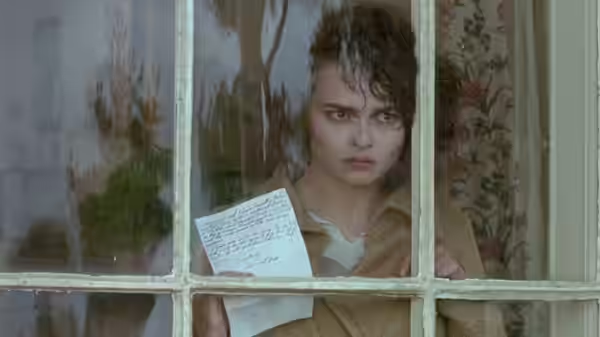
Ruth Prawer Jhabvala’s screenplay is intelligent about these inequalities, but less consistently patient with the relationships through which they become personal. Some attachments feel established before the film has given us enough time to believe them. Andrew Marcus’s editing compounds this: the repeated black-outs draw attention to the separate episodes, and the next stretch occasionally arrives before the previous one has settled. The film runs for 142 minutes; a little more of that time could have gone to these people getting to know one another.
Richard Robbins’s score gives the film a steadiness that the editing sometimes lacks, and its emotional weight feels earned by the acting. This is a literary period drama content to let conversation carry much of the interest. Ivory’s control serves it well when we are allowed to watch people consider one another, less well when the screenplay hurries on to the next connection. Thompson and Redgrave reward the attention.
We recommend it warmly, particularly for Thompson, and with a little patience for the gaps between episodes. Anyone put off by the prospect of well-dressed people discussing their difficulties should know that the acting keeps those difficulties worth attending to. The humour is welcome, too, and stops the good intentions becoming a sermon. Allow it an unhurried evening, and forgive the black-outs.