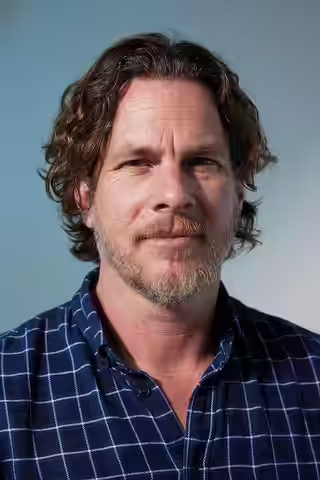
Jonathan Nolan writes machines that watch and refuse to stop, and at his best, in Person of Interest and Westworld's first season, the people in front of them matter more than the puzzle. His recurring weakness is explaining what he has already shown.
Fi1m perspective
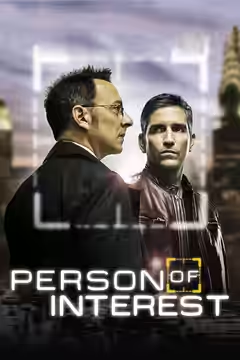
In Person of Interest the city is seen from high corners, grainy and slightly too far away, with a box drawn round each face: white for the team, yellow for people the Machine knows, red for the ones about to do harm. It is the cleanest image Jonathan Nolan has put on a screen and the one that tells you most about him. Something looks down and sorts us. The question is what the people underneath will do about it, and he has been asking it for more than a decade.
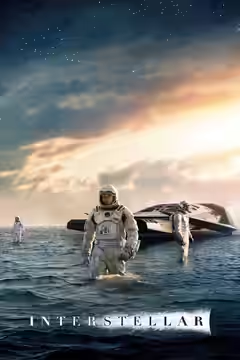
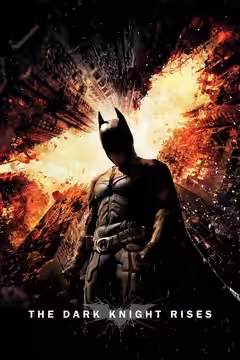
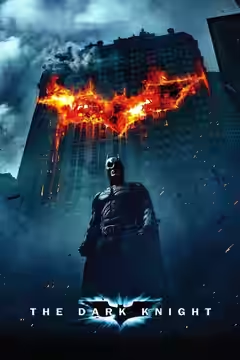
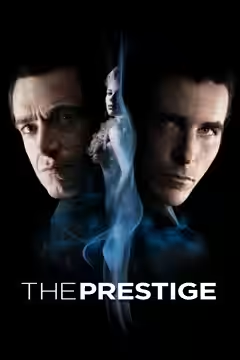
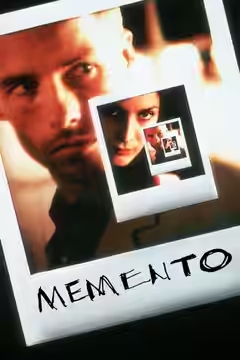
He began as his brother's supplier. A short story of his became Memento (2000), and he then co-wrote The Prestige (2006), The Dark Knight (2008), The Dark Knight Rises (2012) and Interstellar (2014) with Christopher Nolan. We rate those films, the first two highly, and our complaint in every one of them was the same: the screenplay labours a connection after the actors have made it plain. In Interstellar the dialogue sounds prepared for an audience taking notes. In The Dark Knight characters check that we have followed the discussion. Lee Smith's editing does much to keep The Prestige brisk while the writing accounts for its puzzle.
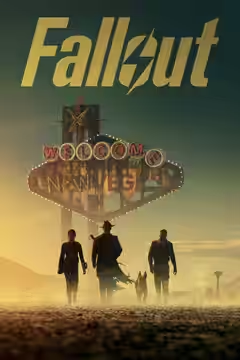
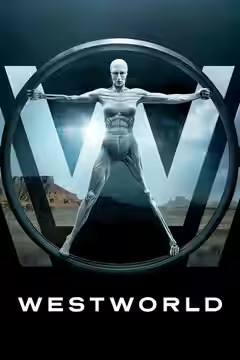
Then he built his own machines. Person of Interest (2011) ran for five seasons on a network best known for tidy crime procedurals and hid a paranoid idea inside the format, one case a week, and got stranger and better as it went. Michael Emerson's Finch is the reason to stay. Westworld (2016), made with Lisa Joy, turns Crichton's camera round so we see the park from the robots' side. Its first season unsettled us more than we expected, and what did it was the hosts waking each morning with no memory of the night before, cheerful and ready to be shot again; Evan Rachel Wood and Thandiwe Newton have never been better used. Three more seasons followed, none as good, and by the fourth the show had fallen in love with its puzzles and lost the people. Fallout (2024), where he directed the first three episodes, is funny and carefully made, and Ella Purnell and Walton Goggins carry it through a plot that wanders.
The pattern is consistent. Give him one person to stand in front of the machine, Finch, Dolores, Purnell's Lucy, and the writing trusts them. Take the person away and he starts explaining. Ramin Djawadi's clipped pulses on Person of Interest do more to make the Machine frightening than any speech about it, which is a lesson Nolan keeps learning and keeps forgetting.
Asked about Westworld he has said, "We'd like to finish the story we started." We would like him to as well, with the people back in front and rather less said out loud.
Biography
Jonathan Nolan is a British-American screenwriter, producer and director. He was born in London on 6 June 1976.
He has collaborated frequently with his brother, director Christopher Nolan, on films including Memento (2000), The Prestige (2006), The Dark Knight (2008), The Dark Knight Rises (2012) and Interstellar (2014). Nolan created the CBS series Person of Interest (2011–2016) and co-created the HBO series Westworld (2016–2022).
In 2024 he directed the first three episodes of the Prime Video series Fallout and served as an executive producer. He has received an Academy Award nomination for Best Original Screenplay for Memento and Primetime Emmy Award nominations for Westworld.