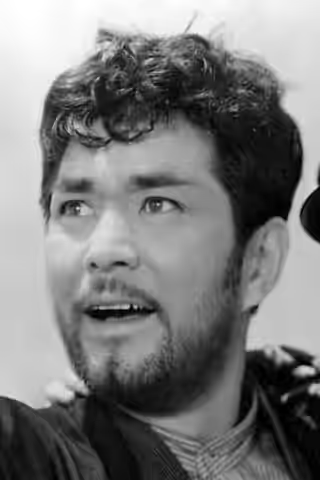
Kichijirō Ueda’s husky voice and emphatic gestures give his cynics and bullies an immediate presence. We value his bluntness most in Rashomon, while recognising how easily a distinctive supporting actor can become confined to repeating himself.
Fi1m perspective
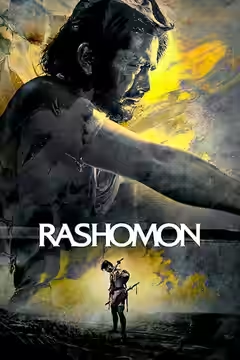
In Rashomon (1950), Kichijirō Ueda’s commoner treats self-interest as the sensible explanation for human behaviour. His commentary frames the conflicting testimonies, and his deep, husky delivery makes cynicism sound like ordinary good sense. We were unsettled by that readiness to suspect everyone: Ueda makes the commoner’s distrust uncomfortably easy to share. We recommend him most strongly here, where Akira Kurosawa gives a supporting actor something substantial to do with his bluntness.
He moved from theatre into film in the mid-1930s, then worked across studios as a character actor. Cynical pragmatists, bullies and men who defer to the powerful became familiar assignments, in realistic drama as well as theatrical or comic villainy. The emphatic gestures suit the more theatrical parts, though they can make us notice the performer before the person he is playing. We value the way he makes a supporting character’s outlook plain without asking the whole film to stop and examine it.
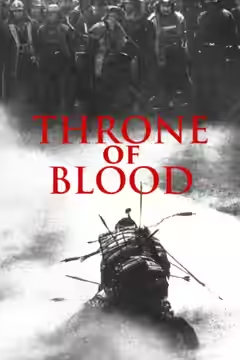
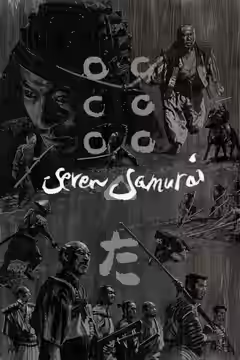
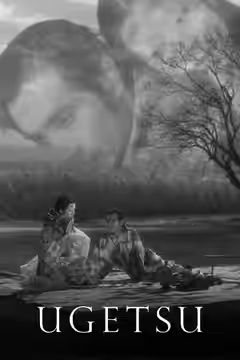
In Ugetsu (1953), he plays a shop owner in Kenji Mizoguchi’s patient, sometimes over-solemn drama. We recommend the film for its quiet human detail, though it offers less of Ueda to judge than Rashomon does. Kurosawa’s ensembles gave him further small assignments, as a bandit scout in Seven Samurai (1954) and Washizu’s workman in Throne of Blood (1957). The recurring collaboration matters more than the prominence of those roles: Kurosawa kept finding a use for this forceful presence among other actors.
By the late 1960s and early 1970s, television popularity had encouraged a narrower, more exaggerated version of his delivery. That is the caveat with Ueda: a distinctive manner can become a substitute for finding something different in the next character. We would not treat every appearance as a reason to choose a film, however welcome the familiar voice. Start with Rashomon, and listen to how reasonable he can make distrust sound.
Biography
Kichijirō Ueda was a Japanese actor. Born in Kobe, he began his career in the theatre in 1918 as a disciple of Sawada Shōjirō in the Shin Kokugeki troupe. He later worked in film and television, appearing in more than 200 productions between 1925 and 1970.
Ueda is known for supporting roles in several films directed by Akira Kurosawa, including the Commoner in Rashomon (1950), a bandit scout in Seven Samurai (1954), Washizu's workman in Throne of Blood (1957) and the slave trader in The Hidden Fortress (1958). He also appeared in Ugetsu (1953), I Live in Fear (1955), The Lower Depths (1957) and Three Outlaw Samurai (1964).