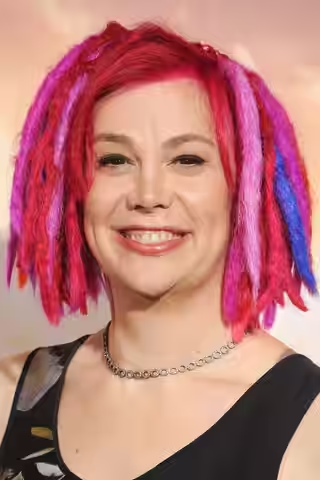
Lana Wachowski is at her best when ideas change what her characters can do, rather than what they have to explain. We admire the ambition and invention, but the speeches can try our patience.
Fi1m perspective
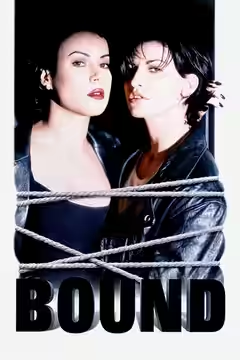
In Bound (1996), two women plotting against a mobster have to make us care about their attraction before the complications can matter. Lana and Lilly Wachowski, writing and directing their first feature, get that order right. We value Lana’s writing most when it gives characters something urgent to do with the questions troubling them. Gina Gershon and Jennifer Tilly make the attraction convincing, and the tightly planned crime leaves room for awkward developments to become funny. The script occasionally inserts a complication to prove how clever it is, but the women remain worth following.
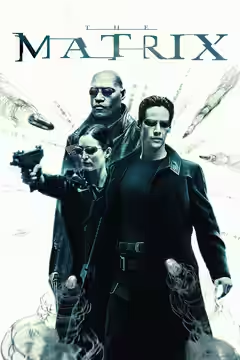
With The Matrix (1999), the pair make a question about reality determine what happens in a fight. Martial arts and computer effects let bodies challenge the rules that the dialogue spends so long explaining. We were thrilled by those fights because the uncertainty about what a body could do made the ideas worth attending to. Keanu Reeves and Carrie-Anne Moss give the spectacle people to care about, which matters as much as the invention. The explanations still test our patience; the writing is more persuasive when a change in understanding produces a change in movement.
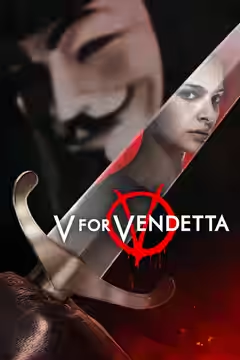
In James McTeigue’s V for Vendetta (2006), Lana and Lilly’s screenplay asks an action audience to consider power and personal responsibility. Hugo Weaving makes the masked revolutionary compelling enough that agreeing with him can feel uncomfortable. That is a useful unease, and we welcome a thriller willing to cause it. But the speeches too often explain what we have already understood, leaving Weaving to make the repeated lesson worth hearing.
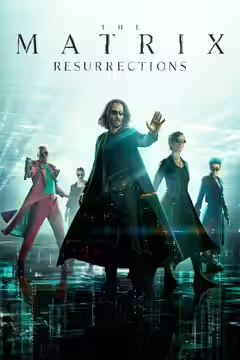
Cloud Atlas (2012), co-written and co-directed with Lilly and Tom Tykwer, expands the storytelling to connected lives across time. The Matrix Resurrections (2021), which Lana directed alone, returns to questions of identity. Start with The Matrix, and allow yourself some impatience with the lectures.
Biography
Lana Wachowski is an American film director and screenwriter. With her sister Lilly Wachowski, she made her feature directorial debut on the 1996 neo-noir Bound, which the pair also wrote.
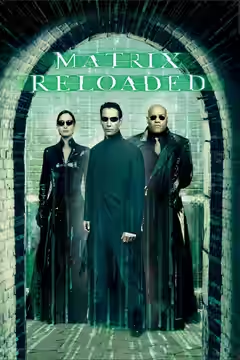
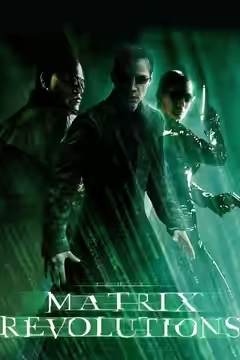
The Wachowskis are best known for directing and writing The Matrix (1999) and its sequels The Matrix Reloaded (2003) and The Matrix Revolutions (2003). Their other credits include the screenplay for V for Vendetta (2006), and directing and writing Speed Racer (2008), Cloud Atlas (2012), Jupiter Ascending (2015) and The Matrix Resurrections (2021). Wachowski was born Laurence Wachowski in Chicago, Illinois, on 21 June 1965.