Leigh Whannell writes horror around fears of losing control of a body or a family. We value his feel for physical distress, but his scripts can explain their monsters more carefully than they develop the people.
Fi1m perspective
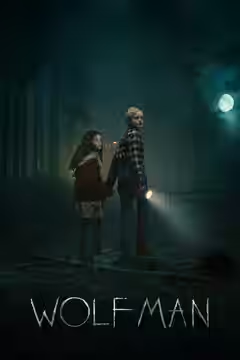
In the woodland prologue to Wolf Man (2025), a father teaches his son by shouting. Whannell and co-writer Corbett Tuck make that memory the basis of Blake's adult fear of becoming his father. It is a useful instinct for a horror writer: find the familiar anxiety, then decide what the monster will do. Here, though, the family remains thinly drawn, and the script keeps explaining a fear it has already made clear.
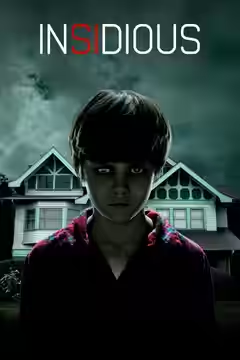
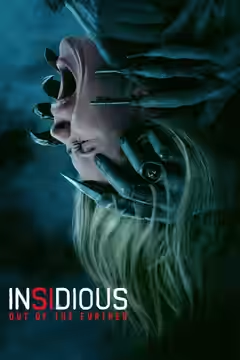
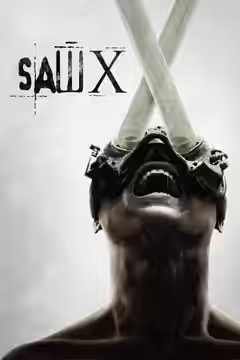
His breakthrough was Saw (2004), co-created with James Wan, and he went on to write the first three films in that series. The early Insidious films continued his partnership with Wan, before Insidious: Chapter 3 (2015) marked his directorial debut. Upgrade (2018) took him into cyberpunk body horror. By The Invisible Man (2020), he was building an old monster story around the fear of domestic abuse. That film's tightly focused story sets a standard Wolf Man does not meet.
In Wolf Man, the physical details are more persuasive than the family writing. Editor Andy Canny treats each stage of Blake's transformation as a separate event, allowing the change to feel slow and particular. Cinematographer Stefan Duscio drains colour from Blake's point of view as his senses alter. We were unsettled when Charlotte's voice became a low, wet noise inside Blake's head: his family was there, but he could no longer reach them. When the dialogue explains what the body and sound have already told us, the film loses its hold.
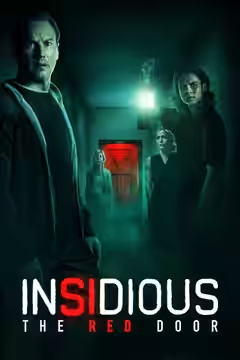
The limits are there again in Insidious: The Red Door (2023), for which Whannell shares story credit with Scott Teems, who wrote the screenplay. Director Patrick Wilson takes the damaged bond between father and son seriously, and the idea that forgetting has cost them gives the film something worth exploring. Its familiar scares do little with that opportunity. Whannell cannot be held responsible for every choice made from his story, but this is another film whose sound premise does not produce sufficiently inventive horror. For a clearer example of what his writing can achieve, start with The Invisible Man.
Biography
Leigh Whannell is an Australian filmmaker, writer and actor. Born in Melbourne on 17 January 1977, he is best known for co-creating the Saw franchise with director James Wan. He wrote the screenplay for the original Saw (2004) and contributed to several sequels, while also writing Insidious (2010) and Insidious: Chapter 2 (2013), both directed by Wan.
Whannell made his directorial debut with Insidious: Chapter 3 (2015). He has since directed Upgrade (2018), The Invisible Man (2020) and Wolf Man (2025), for which he also wrote the screenplay with Corbett Tuck. He produced and contributed the story to Insidious: The Red Door (2023) and appears in several of the Insidious films as the character Specs.