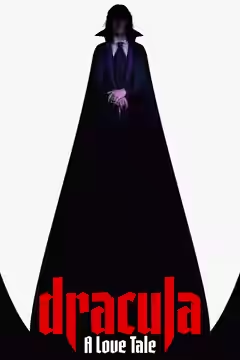
Besson writes one story: a lonely, dangerous person who loves one other person too much. When the film moves, as Nikita and Léon do, the sentiment gets away with it. When it sits still, as Dracula does, we can see straight through it.
Fi1m perspective
Somewhere in every Luc Besson script there is a person who should not be trusted with a weapon and another person who trusts them anyway. Nikita and her gentle boyfriend. Léon and the child down the hall. Korben and Leeloo. A vampire in Paris and a woman with his dead wife's face. Besson has been writing the same pair for thirty-five years and he writes them with a straight face every time. He is not embarrassed by feeling, which is unusual in action cinema, and it is the reason his best films work. It is also why his worst ones do not.
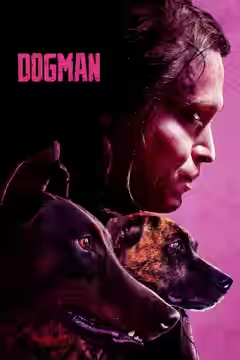
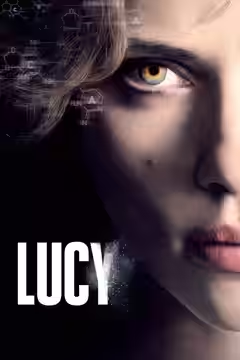
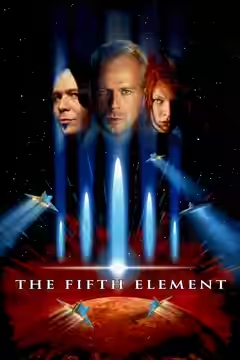
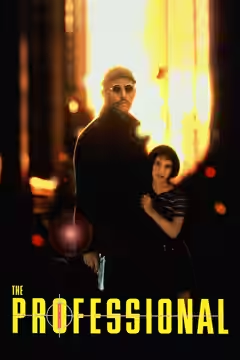
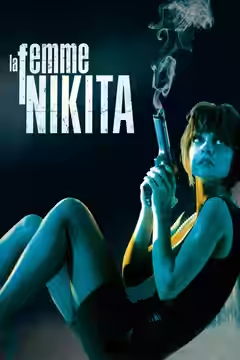
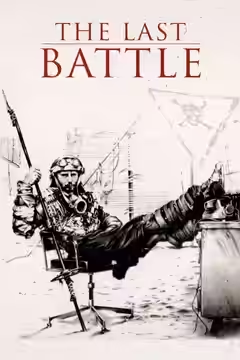
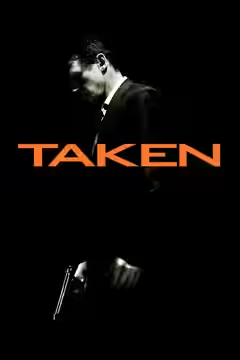
He came up without film school, through short films and Le Dernier Combat (1983), and with Subway (1985), The Big Blue (1988) and Nikita (1990) he was filed under the Cinéma du look. French critics have never entirely forgiven him for how much he liked Hollywood. Nikita is the one to start with: Anne Parillaud makes the violence uncomfortable rather than decorative, and the script's shortcuts matter less while she is on screen. Léon: The Professional (1994) gave Jean Reno a killer and a child to care for, and is gripping, tender and hard to accept in roughly equal parts. The Fifth Element (1997), written with Robert Mark Kamen, is a joy to look at and a chore to follow, and it announces the end of the world and then cuts to a joke about a fridge. After it he co-founded EuropaCorp in 2000 and spent most of two decades writing and producing franchises, Taken and Transporter among them, directing only now and then: Lucy (2014), Valerian and the City of a Thousand Planets (2017), Dogman (2023).
The recurring trouble is on the page. Besson wants the romance to make the violence matter and tends to rely on our willingness to be moved rather than giving the feeling time. His collaborators cover for him more often than not. Thierry Arbogast gave Nikita and Léon a polish that makes cruelty hard to look away from; Éric Serra's music presses the tenderness the actors have already earned; Reno's reserve steadies whatever is happening around him. In Nikita we were more moved than we expected by the hurt under Parillaud's aggression, because she supplies what the writing leaves out. In Dracula (2025) the same idea, a widower hunting a woman with his wife's face, left us cold, and what we remember is Caleb Landry Jones describing a perfume to camera like an advertisement. We laughed and were not sure we were meant to. The flashbacks keep interrupting the one story we care about, and the supporting cast are handed exposition where they needed motives.
Besson once said he would rather stop too soon than too late. Dracula runs 130 minutes. Start with Nikita, watch Léon with the reservation it deserves, and go to the later films for the sets and the actors rather than the script, because the script will be the one he has already written.
Biography
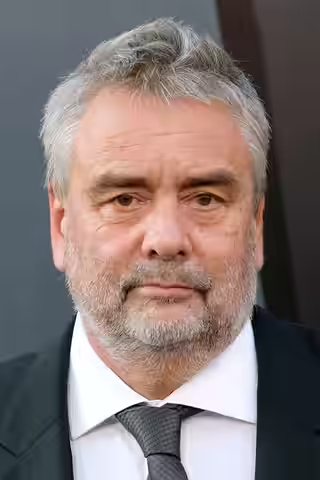
Luc Besson is a French filmmaker, screenwriter and director. He was born in Paris on 18 March 1959.
Besson wrote and directed La Femme Nikita (1990) and Léon: The Professional (1994). He is also known for directing and co-writing The Fifth Element (1997) and Lucy (2014), and for writing credits on the Taken (2008–2014) and Transporter (2002–2008) film series.