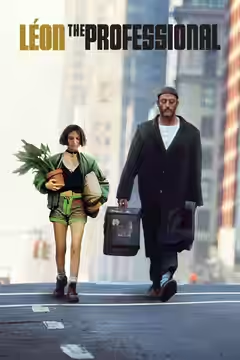
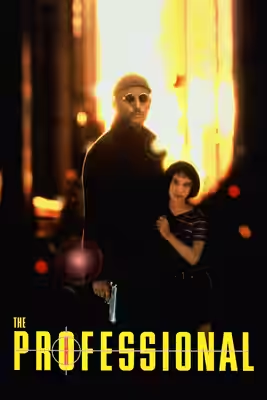
Mathilda (Natalie Portman) sitting on a windowsill holding a teddy bear
Film review

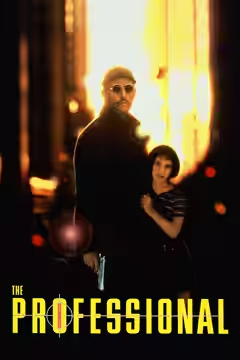
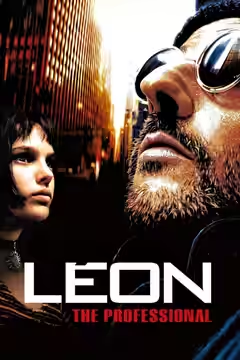
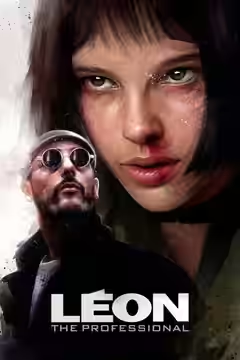
Léon: The Professional

1994 · Directed by Luc Besson · 1h 51m · MPA R

In a sentenceJean Reno makes a persuasive guardian, which is awkward when his other job is killing people

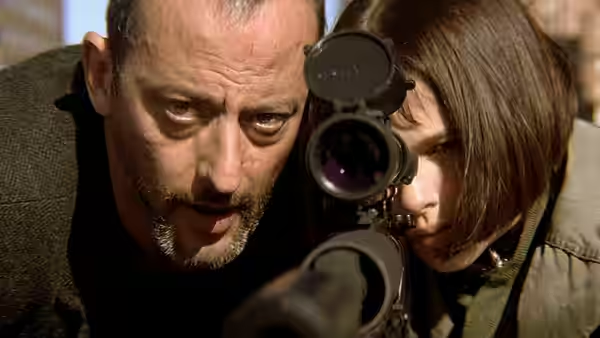
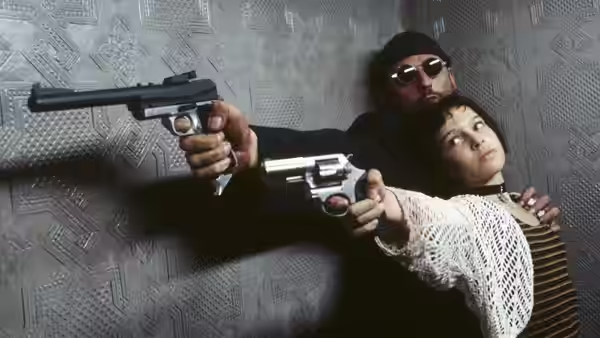
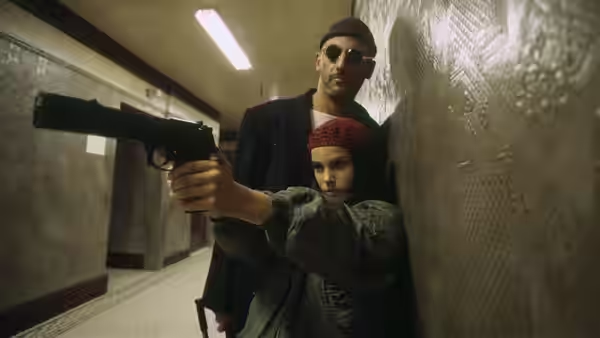
Léon (Jean Reno), a hitman, takes in Mathilda (Natalie Portman), a twelve-year-old orphan. Their developing attachment brings a child into the daily life of a man whose work is killing, and gives him responsibility for someone other than himself. Luc Besson writes and directs this crime drama about the relationship between the two, set amid the violence of an urban thriller. Mathilda’s youth and Léon’s profession complicate an arrangement that offers companionship without removing the danger around them. Gary Oldman plays Norman Stansfield, with Danny Aiello as Old Tony.

Plays from YouTube when you press play; nothing loads from them until then.

Fi1m review

Luc Besson’s crime thriller is gripping and unusually tender, with Jean Reno and Natalie Portman making its unlikely central bond matter. Its treatment of a child inside all that violence is harder to accept.

Luc Besson gives Léon: The Professional an awkward task: make us care about a professional killer by letting him care for a child. It succeeds often enough to be a good crime thriller, though the treatment of that child is a substantial reservation. The killing and the tenderness are both presented with confidence. Besson expects our affection for the man to make his occupation less troubling, and the film gets considerable help from Jean Reno.

Jean Reno’s Léon and Natalie Portman’s Mathilda give that calculation some human credibility. We were moved by Léon’s decision to take the orphan in, because Reno makes his care seem something he has to learn. Portman gives Mathilda enough self-possession to hold her own beside him, without making her vulnerability disappear. The relationship works because the actors allow us to believe these people need one another, even while the screenplay keeps asking us to overlook how unlikely their circumstances are.

Gary Oldman, as Norman Stansfield, works at a much less restrained pitch. His performance gives the thriller an ugly excitement, and Besson allows that force to dominate whenever it arrives. The excess is entertaining, though it can make the danger seem theatrical. Reno’s reserve gives the film a necessary pause from that intensity. Oldman is effective, but we would have welcomed a little less insistence from an actor who hardly needs help to hold our attention.

Thierry Arbogast’s cinematography gives the violence a polish that makes it difficult to look away. The visual confidence carries a plot whose improbabilities might otherwise become distracting, though it also makes cruelty too easy to enjoy. Dan Weil’s production design helps the urban setting feel substantial enough to accommodate Besson’s unlikely story. That physical credibility matters when the film asks us to accept a hitman and a child sharing a life.

Sylvie Landra’s editing keeps the action moving without making the relationship seem like an interruption. That is important in a film which asks us to accept affection and brutality at such close quarters; a clumsier rhythm would make the shifts intolerable. Éric Serra’s music is less helpful when it presses the tenderness, encouraging a response the actors have already earned. Besson’s sentimentality is strongest when the whole film seems to be insisting that these two belong together.

The serious difficulty is Mathilda’s age. She is twelve, and Besson’s screenplay treats her involvement with a killer as a source of intimacy and excitement without giving her vulnerability equal attention. Her self-possession is asked to excuse too much, as though confidence made her any less exposed. Portman’s assurance cannot settle that question, however persuasive she is. There are moments when the film seems pleased by its own daring where we wanted it to be more thoughtful about the girl.

The film supplies the excitement a crime thriller promises, and the actors make its quieter passages worth waiting for. At 111 minutes, it is brisk enough to carry us through much of its implausibility, with Landra keeping the action and the relationship close together. Anyone drawn to stylised crime thrillers will find plenty to enjoy here. See it for Reno and Portman, but be prepared to question what Besson wants their bond to excuse.


Critical consensus AI synthesised

62
Positive
7
Mixed
0
Negative
2

Most critics come down in favour of Léon, and the praise gathers in the same places. Luc Besson’s direction is called stylish and visually striking, with the photography singled out more than once. The three leads are the other constant: Jean Reno’s lonely hitman, Natalie Portman’s sharp-tongued Mathilda in her debut, and Gary Oldman’s lurid, energetic turn as the psychotic DEA agent. Several reviews are surprised to find the friendship at the centre moving.

The reservations sit almost entirely on the child. The spread is wide: two American critics writing on release, at RogerEbert.com and the Los Angeles Times, regard putting a twelve-year-old at the heart of a slick urban thriller as exploitation, the latter in the strongest terms. Others find the relationship stays just the right side of creepy. Gratuitous violence and an improbable plot are noted but forgiven. Later British reviews are the warmest, and The AV Club argues the uncut version is the stronger film.

Empire
1 January 2000 · Mark Salisbury
85*

The critic praises Besson's stylish and visually striking direction in this tale of a hitman who takes in a young orphan, noting the emotional depth that emerges from their relationship. Performances by Jean Reno, Natalie Portman and Gary Oldman are highlighted as standouts amid the film's improbable plot and moral ambiguities.

Read the full review →
The AV Club
29 March 2002 · Joshua Klein
70*

The uncut version of the film is stronger overall, a mix of modern action tropes and touchy subject matter reminiscent of the French New Wave with extra squibs. The central relationship between the hitman and the young girl, along with strong casting of Reno, makes it memorable despite its complexities.

Read the full review →
The Independent
9 February 1995
70*

The critic finds Luc Besson's Leon uneven and gratuitously violent but notes its many plusses, including the intense Jean Reno as a lonely hit-man, newcomer Natalie Portman as the sassy smart-talker, Gary Oldman impersonating Dennis Hopper, and bright-eyed photography. It marks the first time since his debut The Last Battle that Besson has displayed a hint of heart.

Read the full review →
The New York Times
23 September 1994 · Joan Dupont
70*

The piece describes an unlikely relationship between the hit man Leon and the savvy 12-year-old Mathilda in a French fable blending gory action in the Tarantino vein with poetic sentiment.

Read the full review →
The Times
8 November 2019 · ★★★★☆ · Ed Potton
70*

Luc Besson’s first English-language hit is less than subtle yet stylish, disturbing and weirdly moving. The central friendship between the hitman and the girl stays just the right side of creepy, while Gary Oldman delivers a memorably lurid turn as the psychotic DEA agent.

Read the full review →
Variety
19 September 1994 · Lisa Nesselson
70*

The review sees Besson delivering a naive fairy tale splattered with blood; the mix of cynicism and sentiment may ring hollow to sophisticates but could play well to general audiences, with strong visuals carrying the story.

Read the full review →

Straight answers AI written, from our review

Is Léon: The Professional worth watching?
Léon: The Professional is worth watching for anyone who enjoys stylised crime thrillers, and we scored it 74. Jean Reno and Natalie Portman make the bond between a hitman and an orphan matter, and Thierry Arbogast's polished camerawork keeps the action gripping. Our substantial reservation is how the film treats a twelve-year-old girl inside all that violence, which it finds more exciting than troubling.
How long is Léon: The Professional, and what is it rated?
Léon: The Professional runs 1h 51m and is rated R by the MPA in the US. It is a crime and drama film.
Where can I watch Léon: The Professional in the US?
Léon: The Professional is streaming on Amazon Prime Video in the US, and it is also available to rent from Amazon Prime Video from $3.99. Availability is checked daily; the links above go straight to each service.
How violent or frightening is Léon: The Professional, and is it suitable for children?
Léon: The Professional is an 18 certificate in the UK and not suitable for children. The violence is frequent and shot with a polish that makes it easy to enjoy, and Gary Oldman's unhinged villain gives the danger an ugly excitement. Adults may also find the film's handling of a twelve-year-old's closeness to a killer uncomfortable, since it treats her involvement as intimacy rather than exposure.
How does Léon: The Professional compare to Gloria?
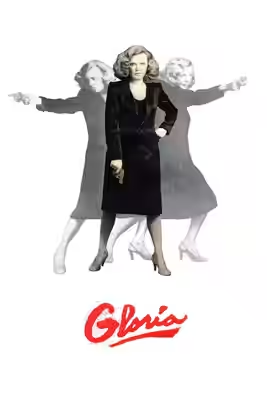
Léon: The Professional is the slicker and more sentimental of the two, while Gloria is rougher and less patient with tenderness. Both follow an unlikely guardian protecting an endangered child, but John Cassavetes lets Gena Rowlands's bad temper do the work where Luc Besson leans on Éric Serra's music and Portman's poise. Choose Léon for stylised action and Gloria for a harder, less comfortable partnership.
What should I watch after Léon: The Professional?
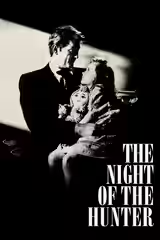
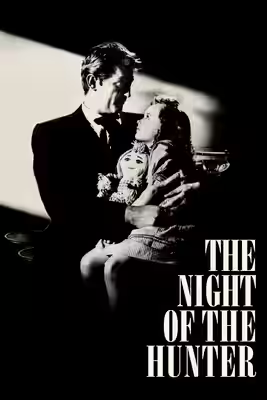
After Léon: The Professional, try Gloria (1980, Fi1m 78): Another unlikely guardian and endangered child, with less patience for sentimentality. Then Ghost Dog: The Way of the Samurai (1999, Fi1m 80): A solitary killer’s routines receive more patient attention, and a drier wit; and The Night of the Hunter (1955, Fi1m 91): Childhood danger treated with a seriousness that survives the stylised nightmare.

Cast

If you liked this, try…

  1. Gloria (1980, Fi1m 78)Another unlikely guardian and endangered child, with less patience for sentimentality.

  2. Ghost Dog: The Way of the Samurai (1999, Fi1m 80)A solitary killer’s routines receive more patient attention, and a drier wit.

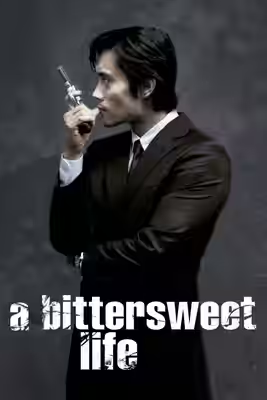
  3. A Bittersweet Life (2005) · not reviewed yetFor controlled performances and precise violence, with fewer comforts between the blows.

  4. The Night of the Hunter (1955, Fi1m 91)Childhood danger treated with a seriousness that survives the stylised nightmare.

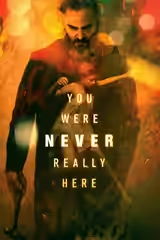
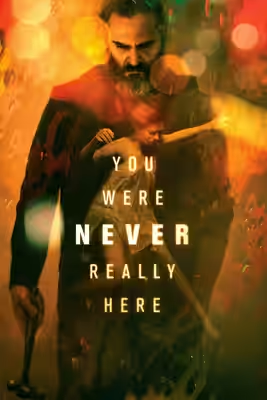
  5. You Were Never Really Here (2017, Fi1m 83)A violent protector story that refuses to make damaged people look enviable.

Free account

Know what to watch tonight

Two lists that know where things are streaming, collections you can share, your own score beside ours, and Discover that remembers what you have seen.

  • Want to see, sorted by what is streaming now
  • Seen, with your score out of ten
  • No adverts, ever