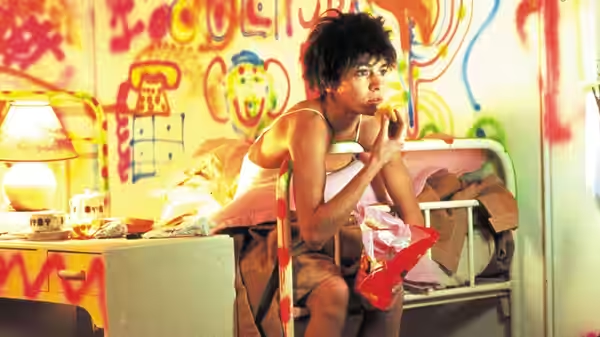
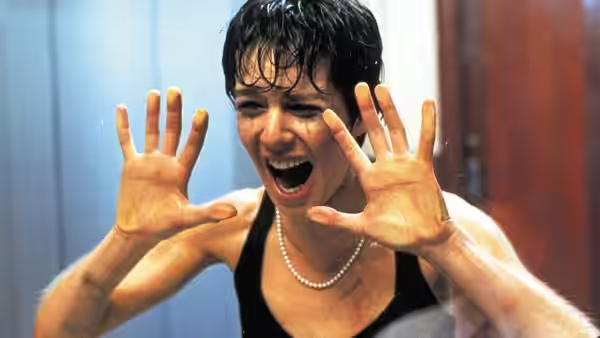
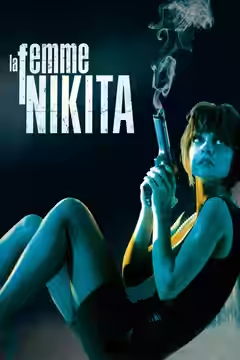
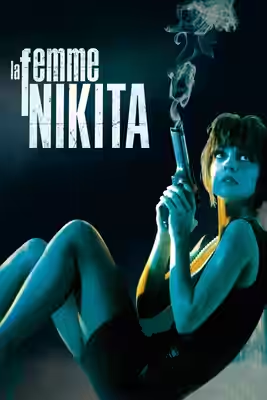
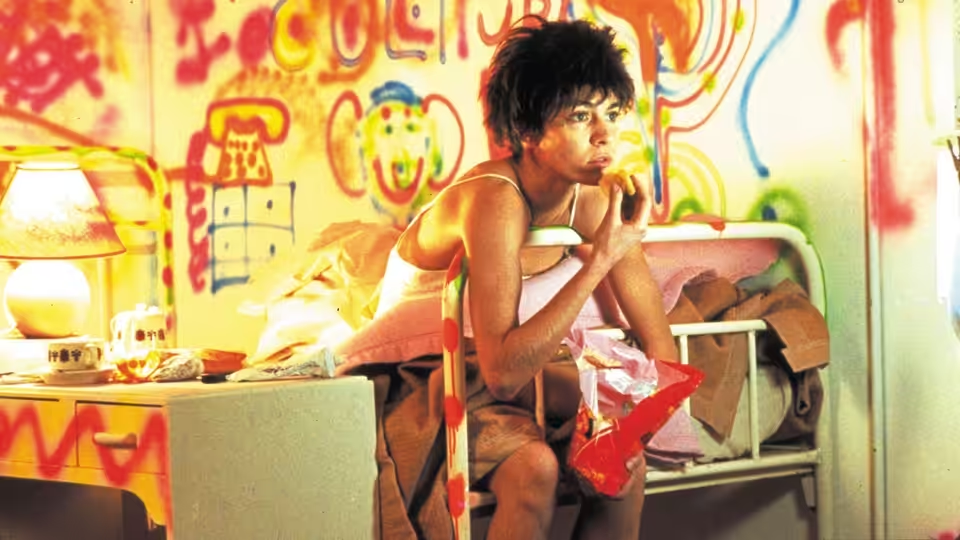
Nikita (Anne Parillaud) eating a sandwich on a bed in a graffiti-covered room
Film review

Nikita

1990 · Directed by Luc Besson · 1h 57m · MPA R

In a sentenceAnne Parillaud looks ready to bite the camera, which is a useful quality in an assassin

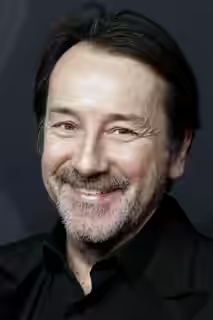
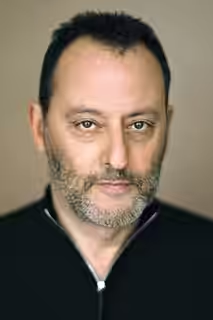
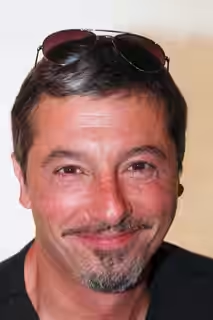
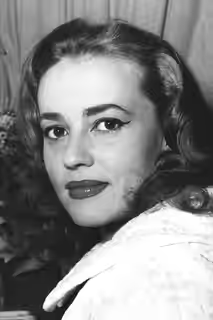
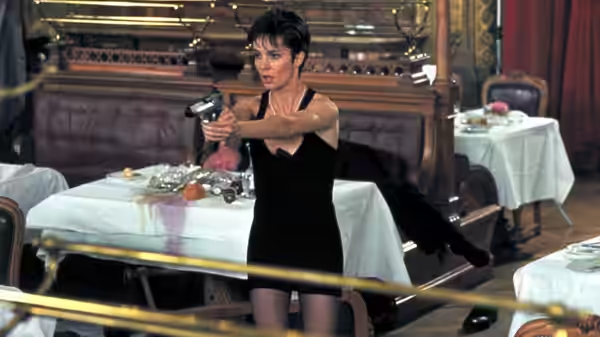
Anne Parillaud plays Nikita, a woman whose survival depends on her willingness to kill. Her story moves between crime, espionage and romance, with violence shaping her life even as love offers the possibility of something beyond it. Luc Besson writes and directs this action thriller, with Tchéky Karyo as Bob and Jean-Hugues Anglade as Marco. Jeanne Moreau plays Armande, while Jean Reno appears as Victor, known as the Cleaner. At its centre is a killer whose private feelings do not sit comfortably with what she does.

Plays from YouTube when you press play; nothing loads from them until then.

Fi1m review

Luc Besson’s assassin thriller is worth watching for Anne Parillaud, whose anger and vulnerability make its polished violence feel dangerous. The plotting is less assured, and the romance cannot always supply the depth Besson wants.

Luc Besson directs Nikita with an enthusiasm for violence that can be exciting and a little too easy to share. There is plenty here for anyone who likes crime films sleek, fast and violent, and Anne Parillaud gives the central role enough feeling to justify staying through the less convincing stretches. We recommend it, with reservations about a plot that too often asks style to cover for improbability. Besson is interested in what love might mean to someone accustomed to violence. His film becomes less persuasive when it treats that question as already answered.

Parillaud is the reason it works as often as it does. She makes Nikita’s viciousness uncomfortable rather than merely decorative, with an intensity that keeps the role from settling into a fashionable pose. We were more moved than we expected by the hurt beneath her aggression. Her performance allows violence and emotional need to exist together without making either seem a convenient explanation for the other. Besson’s writing does not always show the same restraint.

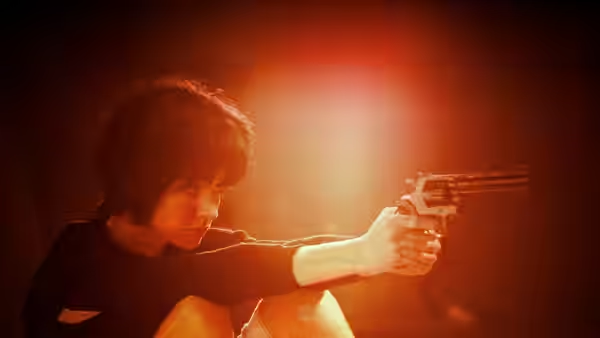
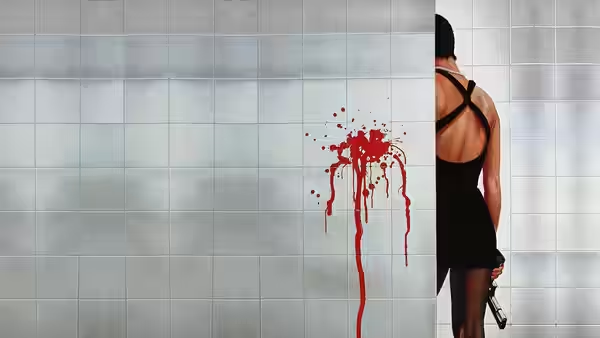
Thierry Arbogast’s cinematography gives the violence a polished finish, and the contrast with Parillaud’s abrasive presence helps: she does not look comfortably at home in such an attractive picture. Dan Weil’s production design belongs to the same carefully styled thriller, where appearances are given more attention than ordinary life. The result is pleasurable to watch, though not always convincing as somewhere a person might live. Besson sometimes seems so pleased with how danger looks that he forgets how it ought to feel.

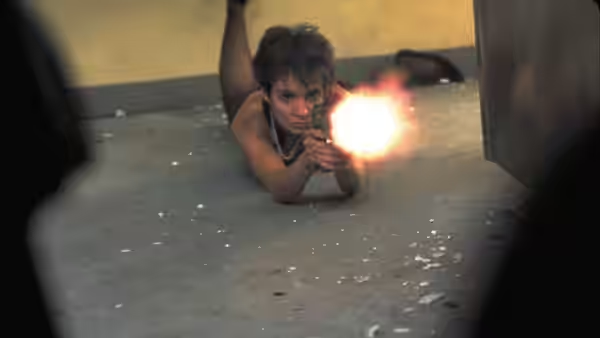
Olivier Mauffroy’s editing is effective at sustaining that forward drive, less effective at making the story’s changes of direction feel necessary. There are passages where momentum supplies the connection the writing has missed, and the later action is not always clear enough. Éric Serra’s music helps maintain the excitement, but cannot give the romance the weight it needs. At 117 minutes, the film has time to develop both sides of Nikita’s life. It does not always spend that time well.

Jean-Hugues Anglade, Tchéky Karyo and Jeanne Moreau help keep the film from depending on its lead alone. The supporting cast have the presence to hold their own in such an emphatically styled thriller, and Jean Reno, as Victor, the Cleaner, fits it particularly well. But the pleasure of watching strong performers does not remove the script’s shortcuts. Besson wants the romance to make the violence matter more, and sometimes relies on our willingness to be moved rather than giving the feeling enough time.

The assassin film often mistakes professional efficiency for a personality; Nikita at least has a woman whose feelings cannot be kept tidy. Its mixture of romance, crime and espionage gives it more interest than a simple demonstration of lethal competence. That does not make it profound, and the slickness sometimes protects Besson from having to think harder about the violence. Watch it for Parillaud, provided a forceful performance can carry you past a story that needs more work.

Critical consensus AI synthesised

74
Positive
5
Mixed
1
Negative
0

Most critics respond warmly to Nikita, with praise centred on Besson’s stylish direction and Anne Parillaud’s intense lead performance. The reviews repeatedly credit her with giving the violence and polished visuals an emotional weight that the plotting does not always supply. The action and technical craft also draw approval, while several critics find the combination of thriller mechanics and romance effective.

The disagreement concerns how much substance sits beneath that style, with responses ranging from enthusiastic to mixed. Even favourable reviews note thin psychology, structural weaknesses or implausible plotting. Eye for Film sees the blend of romance, crime and espionage as a strength that keeps expectations unsettled. The Los Angeles Times is the clearest dissenter, finding a shallow imitation of American high-tech thrillers rather than a successful feminist fable, though it still praises the charismatic cast, particularly Jean Reno. No review in this selection is wholly negative.

Empire
1 January 2000 · Ian Nathan
85*

Besson’s slick, stylish film brought him to prominence with its ultra-cool visuals, action flourishes and a punkish assassin lead; it prioritizes surface sheen and dynamism over psychological depth.

Read the full review →
The New York Times
8 March 1991 · Janet Maslin
75*

The critic finds the film a slick, stylish thriller that mixes hip violence and punk anomie with an old-fashioned paean to love. It is held together by Besson's agile direction and the striking, vicious performance of Anne Parillaud as Nikita.

Read the full review →
Time Out
10 September 2012 · GA
70*

The critic praises the film's relentlessly stylish noir-thriller elements and the memorably assured, intense performance from Anne Parillaud, which provides an emotional undertow. However, it notes occasional implausible plotting and a lack of clarity in later scenes, concluding that the film does not add up to anything very profound.

Read the full review →
Los Angeles Times
12 April 1991 · Michael Wilmington
50*

The review calls the film shallow, glitzy, and ultra-violent—an imitation American high-tech thriller that tries to twist the genre into a feminist fable but remains a copy of studio work. It singles out the charismatic cast, especially Jean Reno as the “Cleaner,” for fitting the stylized, visual style.

Read the full review →
Eye for Film
23 September 2024 · Donald Munro
90*

The critic praises Besson for skillfully blending romantic comedy, crime, espionage and Nouvelle Vague elements into a rich cinematic experience. They highlight the strong performances, particularly Parillaud's vibrant turn, and the film's subversion of expectations through its distinctive style and genre mix.

Read the full review →
Den of Geek
29 September 2009 · ★★★★ · Mark Pickavance
80

The critic finds the film worth seeing at least once, praising its lead performance and technical elements while noting structural weaknesses. Anne Parillaud's portrayal of a woman on the edge is singled out as elevating the movie.

Read the full review →

Straight answers AI written, from our review

Is Nikita worth watching?
Nikita is worth watching for Anne Parillaud's fierce, wounded performance as a killer who cannot keep her feelings tidy, and we scored it 76. Luc Besson's plotting is less assured, with style asked to cover for improbability and a romance that never quite gets the weight he wants. Go in for the lead rather than the story.
How long is Nikita, and what is it rated?
Nikita runs 1h 57m and is rated R by the MPA in the US. It is an action and thriller film.
Where can I watch Nikita in the US?
Nikita is available to rent from Amazon Prime Video from $2.99. Availability is checked daily; the links above go straight to each service.
How violent or frightening is Nikita, and is it suitable for children?
Nikita is certified 18 in the UK and R in the US, and it is not suitable for children. The violence is frequent, sleek and filmed with an enthusiasm Besson clearly enjoys, and Parillaud makes her character's viciousness uncomfortable rather than decorative. Adults who dislike stylised killing will find little relief here; it is a thriller, not a horror film, so it unsettles rather than frightens.
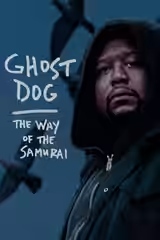
How does Nikita compare to Ghost Dog: The Way of the Samurai?
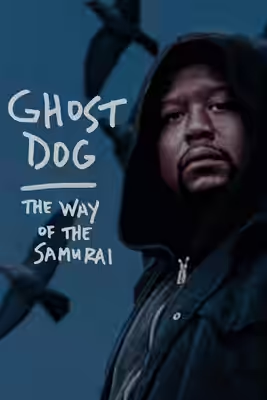
Nikita and Ghost Dog: The Way of the Samurai are both assassin films built around a strong lead, but they move at opposite speeds. Besson's is fast, polished and violent, held together by Parillaud's anger; Jarmusch's is patient and melancholy, with Forest Whitaker given room to think and RZA's music setting the mood. Ghost Dog is the more original film; Nikita is the one for viewers who want momentum.
What should I watch after Nikita?
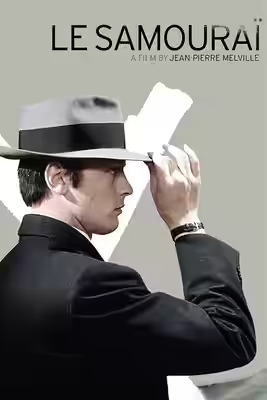
After Nikita, try Le Samouraï (1967, Fi1m 88): For more criminal professionalism, with quieter rooms and far less reassurance. Then Ghost Dog: The Way of the Samurai (1999, Fi1m 80): An assassin thriller with room for odd routines and unhurried melancholy.

Cast

Awards

César Award for Best Actress, 1991

Nominated
César Award for Best Actress

If you liked this, try…

  1. Le Samouraï (1967, Fi1m 88)For more criminal professionalism, with quieter rooms and far less reassurance.

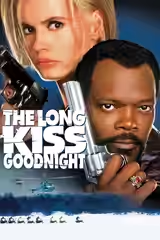
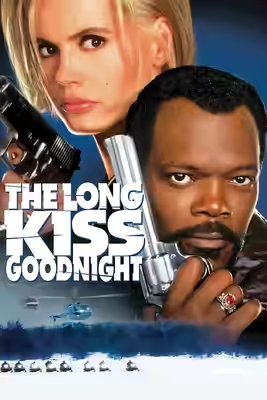
  2. The Long Kiss Goodnight (1996) · not reviewed yetAnother formidable female lead, with sharper jokes and more unruly action.

  3. Ghost Dog: The Way of the Samurai (1999, Fi1m 80)An assassin thriller with room for odd routines and unhurried melancholy.

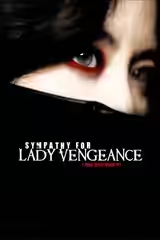
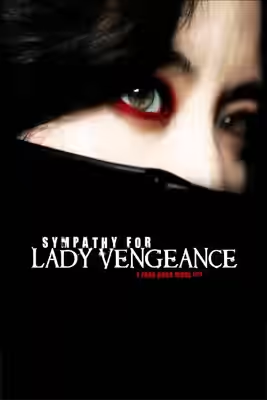
  4. Lady Vengeance (2005) · not reviewed yetA controlled performance and exact framing make vengeance feel painfully personal.

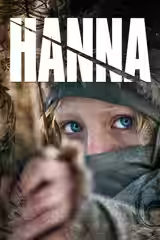
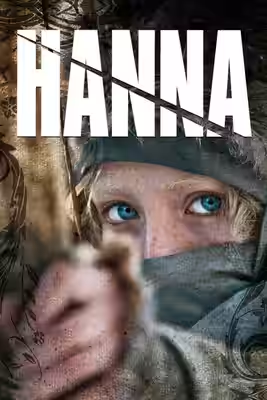
  5. Hanna (2011) · not reviewed yetFemale survival and stylised violence, with a stranger, more disquieting atmosphere.

Free account

Know what to watch tonight

Two lists that know where things are streaming, collections you can share, your own score beside ours, and Discover that remembers what you have seen.

  • Want to see, sorted by what is streaming now
  • Seen, with your score out of ten
  • No adverts, ever