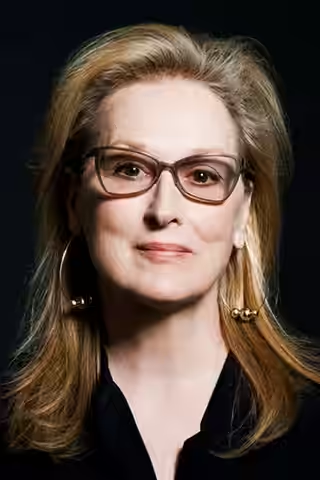
Meryl Streep makes hesitation worth watching, from Miranda Priestly's intimidating pauses to Francesca Johnson's uncertain desire. We value her precision most when it lets us see a feeling develop before the character knows what to do with it.
Fi1m perspective
Miranda Priestly barely needs to move before a meeting becomes uncomfortable. In The Devil Wears Prada 2 (2026), Meryl Streep lets a pause do the work another actor might give to a raised voice. The stillness remains funny and faintly alarming. Yet the sequel gives her implausible situations to sell, and her conviction can only postpone our noticing them. The authority she established in The Devil Wears Prada (2006) deserved a sharper sequel.
The early breakthroughs, The Deer Hunter (1978) and Kramer vs. Kramer (1979), preceded the accent work and emotional demands of Sophie's Choice (1982). Her reputation for exact technique is earned, as is the occasional complaint that the technique can keep us at a distance. We sometimes notice the preparation before we believe in the person. Comedy gives that deliberateness a useful job: Miranda expects other people to fill the silence.
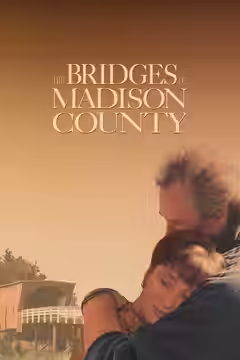
The Bridges of Madison County (1995) is where we would start with Streep. Her Francesca Johnson seems to discover her desire while trying to decide what she can admit, and Clint Eastwood, directing and playing Robert Kincaid, gives those hesitations time. Jack N. Green's cinematography keeps our attention on the faces; Jeannine Oppewall's production design never competes with them. Joel Cox's editing preserves the delays that make flirtation exposing and funny, though some conversations linger too long. Lennie Niehaus's music occasionally urges a feeling Streep has already made clear.
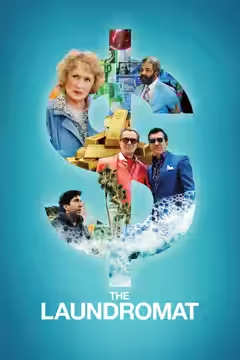
Steven Soderbergh's The Laundromat (2019) gives her something equally concrete: Ellen Martin's attempts to get an answer on the telephone. We felt our anger rise with hers as hold music and evasive replies wore down a lifetime of politeness. The film keeps leaving her for disconnected sketches, and never earns the indignation she supplies. In Soderbergh's Let Them All Talk (2020), her Alice Hughes is grand, vague and easily wounded. The comic control is impressive, though the character is hard to like and the film gives its conversations too little shape.
These later films are a warning against choosing solely by the leading name. Streep can hold our attention while a script wanders, but she cannot make the missing connections for it. For an evening that gives her enough time and a partner who knows how to listen, choose The Bridges of Madison County.
Biography
Meryl Streep is an American actress, also credited as Mary Louise Streep. She was born on 22 June 1949 in Summit, New Jersey.
Streep is known for her role as Miranda Priestly in The Devil Wears Prada (2006) and The Devil Wears Prada 2 (2026). Other credits include Alice Hughes in Let Them All Talk (2020) and Ellen Martin in The Laundromat (2019). She has received three Academy Awards from 21 nominations, eight Golden Globe Awards from 32 nominations, two British Academy Film Awards and three Primetime Emmy Awards.