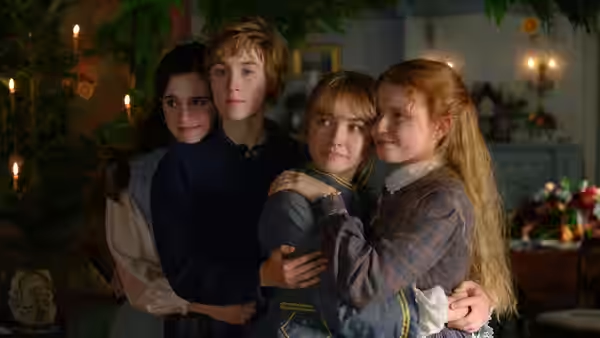
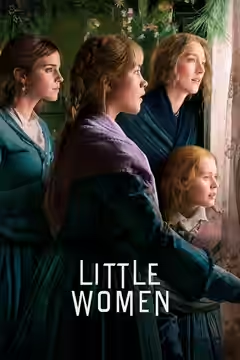
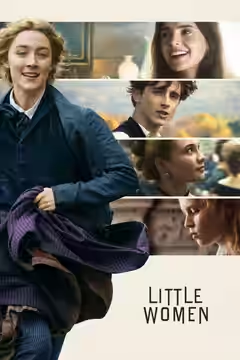
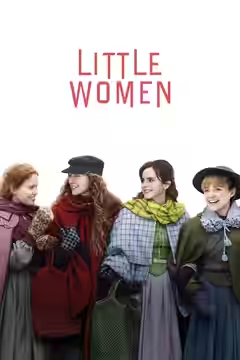
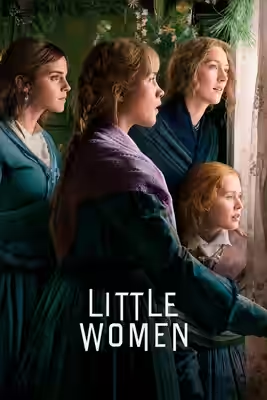
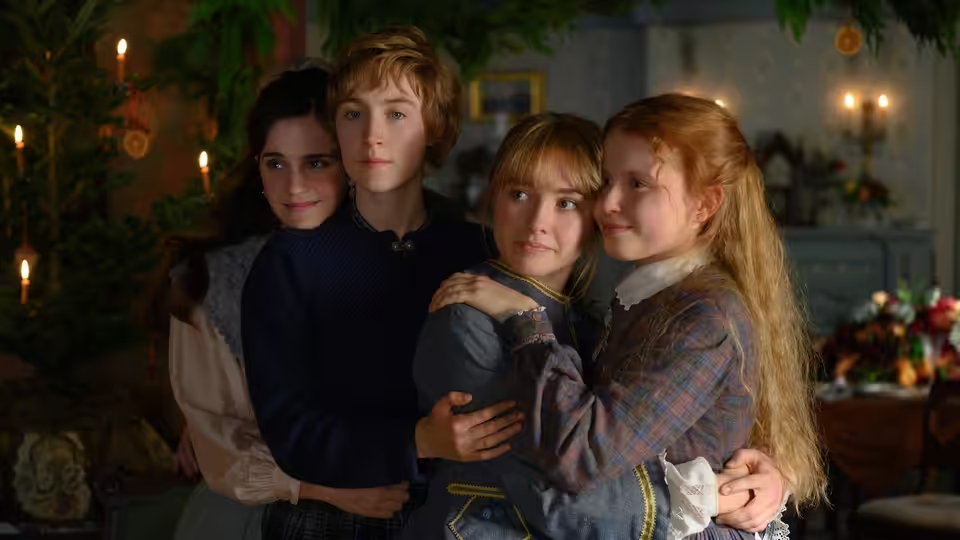
Four young women in period clothing embracing closely in a candlelit decorated room
Film review

Little Women

2019 · Directed by Greta Gerwig · 2h 15m · MPA PG

In a sentenceFour sisters, two timelines, one freezing attic, and everybody talking at once

Jo March (Saoirse Ronan) is living away from home, selling stories to a publisher, Mr. Dashwood (Tracy Letts), who cuts what he does not like and tells her what readers will pay for. Her sister Amy (Florence Pugh) is abroad learning to paint and, her aunt hopes, to marry money; there she runs into Laurie (Timothée Chalamet), the boy who grew up next door. Meg (Emma Watson) is at home with a husband, John Brooke (James Norton), and no money. Beth (Eliza Scanlen) is unwell. Then the film goes back to the sisters’ childhood: four girls, one attic, their mother Marmee (Laura Dern), a father away from home, and the grand, half-empty house across the way where old Mr. Laurence (Chris Cooper) lives with his grandson.

Plays from YouTube when you press play; nothing loads from them until then.

Fi1m review

Greta Gerwig cuts Alcott’s novel into two timelines and lets the March sisters talk over one another, and it works: quick, warm and sharper about money than any version we have seen. The cutting sometimes hurries and the score never stops. We recommend it.

Greta Gerwig has taken Louisa May Alcott’s novel, which most people can recite in outline, and cut it in two. One half is the sisters’ adult lives: Jo March (Saoirse Ronan) is away from home selling stories, Amy (Florence Pugh) is abroad being taught to paint and to marry well, Meg (Emma Watson) has a husband and no money, and Beth (Eliza Scanlen) is unwell at home. The other half is the childhood, four girls under one roof and their father away. Gerwig cuts between the two on a look or a gesture. We know what happens to these girls, so she gives us the consequences first and asks us to watch the causes with that knowledge in our laps.

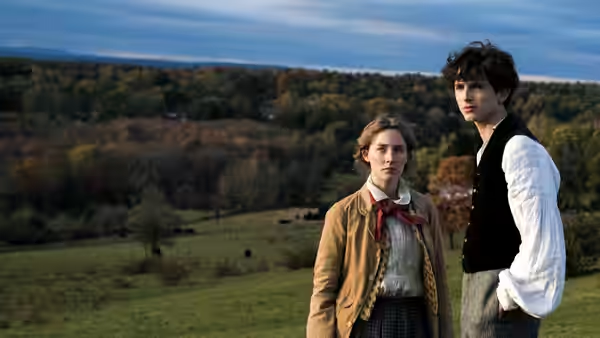
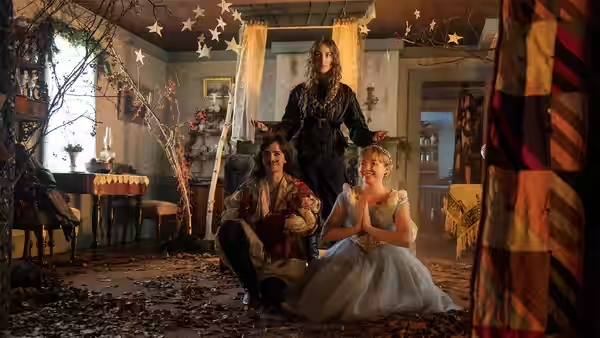
It works because of the people doing the cutting and the lighting. Nick Houy edits the joins so they feel like memory rather than a trick: someone in the present thinks of home, and there home is. Yorick Le Saux shoots the childhood in warm yellow, candles and firelight and low winter sun through the windows, and the adult years in a cooler grey, so you always know where you are without a caption. Jess Gonchor’s March house is small and never tidy, coats on chairs, doors open, a mother and four girls and Hannah (Jayne Houdyshell) in rooms built for half that number. Jacqueline Durran puts Jo in waistcoats and boots and lets the sisters pass clothes between them, as sisters do.

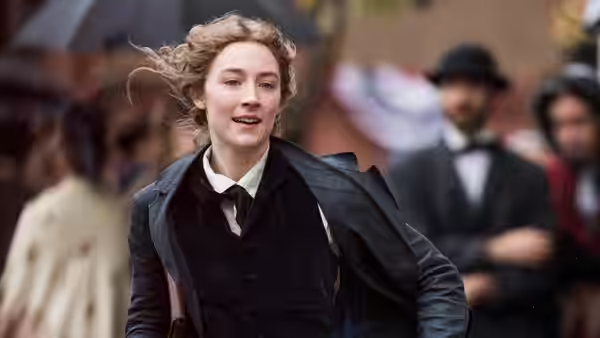
Ronan plays Jo as someone who is always talking louder than everyone else and knows it. She runs everywhere, writes lying on the attic floor with ink on her fingers, and when Tracy Letts’s publisher Mr. Dashwood cuts her story and lectures her on what readers want, she argues about the fee. Pugh, though, is the one we kept watching. Amy has been the spoilt sister of this book for a century and a half, and Pugh plays her as the one person in the family who has done the sums. Her speech to Laurie in her studio, laying out marriage as a question of who owns what, moved us more than we expected, because she does not deliver it as a complaint. She delivers it as arithmetic, flatly, while cleaning a brush.

Timothée Chalamet’s Laurie slouches through the film with his collar undone, the rich boy next door who has never been told no by anyone but the March girls, and he is best when he is being turned down. Chris Cooper, as his grandfather Mr. Laurence, has a scene at a piano with Scanlen’s Beth that we would not change a frame of. Laura Dern’s Marmee is quicker to anger than the saint of earlier versions; there is a scene with Jo where she admits as much, and we believed her. James Norton’s John Brooke and Louis Garrel’s Friedrich Bhaer are decent men given about a scene and a half each.

Not all of it holds. The overlapping talk in the March house is a pleasure the first two times and tiring by the fifth; you start to want someone to finish a sentence. The crosscutting that makes the film’s best joins also robs a few scenes of the time they needed, so a quarrel is over before it has started. Alexandre Desplat’s score, piano over strings, is handsome and nearly always on, underlining moments Ronan and Pugh had already made without help. The cast does not visibly age across the years the film covers, so the hair does most of the work and does not always manage. Bob Odenkirk, as Father March, arrives and is given almost nothing to do.

The last twenty minutes do something with the book’s ending that we will not describe, except to say that Gerwig has read the arguments about it and has an answer of her own. Some will find it too clever. We found it an honest way through a problem Alcott never solved. It is the first version of this story we have seen that keeps asking who is paying for what, and the first in which Amy gets a fair hearing.

It is a U certificate and runs 135 minutes, and it does not feel long. Watch it with a sister if you have one. She will tell you which March girl she is, and she will be wrong.
Critical consensus AI synthesised

85
Positive
30
Mixed
2
Negative
0

The reviews are close to unanimous. Almost every critic starts with Greta Gerwig’s decision to break Louisa May Alcott’s story out of its chronology and cut between the sisters’ childhood and their adult lives, and most think it works, giving a familiar novel fresh momentum and a sharper eye on money and women’s ambition. The cast draws the other cluster of praise. Florence Pugh’s Amy is the performance named most often; Saoirse Ronan’s Jo and Timothée Chalamet’s Laurie follow close behind.

Where the critics part, it is over the same structure. Den of Geek finds the crosscutting drains momentum across a long runtime and leaves some supporting characters thin, and Slant Magazine thinks the pacing rushes scenes that need air. Screen Daily, one of the two mixed notices, calls the film over-stuffed and rather pleased with itself, while The Skinny finds it occasionally sentimental. These are quibbles inside a narrow spread: there are no negative reviews at all.

Little White Lies
25 November 2019 · 4/5/5 · David Jenkins
100

Gerwig delivers one of the great modern literary adaptations, capturing the emotional essence of the March sisters' lives with technical mastery. The critic highlights the film's romantic realism and ensemble performances as a transcendent achievement.

Read the full review →
The i Paper
24 December 2019 · ★★★★★ · Demetrios Matheou
100

Greta Gerwig’s adaptation is a joyful, moving, near-flawless piece of film-making with an outstanding young cast and a modern sensibility that blows a breeze through the period action. It may be the best of the many adaptations of Alcott’s novel.

Read the full review →
Time Out
26 November 2019 · ★★★★★ · Joshua Rothkopf
100

Gerwig cuts to the thematic essence of sisterhood, coming of age, nostalgia and female liberty with a fresh visual language. The critic singles out Florence Pugh's standout turn as Amy for particular praise.

Read the full review →
Empire
25 November 2019 · Helen O'Hara
90*

Gerwig’s follow-up to Lady Bird takes an overly familiar story and makes it immediate, important and daring with bold non-linear storytelling that centres grown women and their ambitions. It is the definitive big-screen Little Women thanks to a finale that would delight Alcott.

Read the full review →
IndieWire
25 November 2019 · Kate Erbland
90*

The review lauds the film's beautiful performances, impeccable craftsmanship, and Gerwig's ambitious elliptical storytelling that blends tradition with meta modernity. It positions the adaptation as stunning and smart overall.

Read the full review →
RogerEbert.com
24 December 2019 · Tomris Laffly
90*

The critic praises Gerwig's fresh, non-linear adaptation that respects Alcott while updating it for modern audiences through memory and nostalgia. Strong performances and structural innovation are highlighted as making it a masterly and emotionally resonant film.

Read the full review →

Straight answers AI written, from our review

Is Little Women worth watching?
Little Women is worth watching for anyone who likes a family drama with quick talk and sharp edges, and we scored it 83. Greta Gerwig cuts the novel into two timelines, and Florence Pugh's Amy finally gets a fair hearing. The overlapping dialogue tires by the fifth round and Alexandre Desplat's score never stops, but it runs 135 minutes and does not feel long.
How long is Little Women, and what is it rated?
Little Women runs 2h 15m and is rated PG by the MPA in the US. It is a drama and romance film.
Where can I watch Little Women in the US?
Little Women is streaming on Hulu in the US, and it is also available to rent from Amazon Prime Video and Apple TV from $3.99. Availability is checked daily; the links above go straight to each service.
How does Little Women compare to Lady Bird?
Little Women and Lady Bird are both Greta Gerwig films about families arguing warmly over one another, and both are led by Saoirse Ronan. Lady Bird is smaller and funnier, a single mother-daughter quarrel; Little Women is larger, more crowded and better about money. Pick the earlier film for a tight comedy, this one for four sisters and two timelines.
Is Little Women based on a true story or a book?
Little Women is based on Louisa May Alcott's novel, not on a true story. Gerwig keeps the sisters and their attic but rearranges the book into two timelines, adult lives and childhood cut together, and her final twenty minutes take a view of Alcott's ending that we will not describe. Knowing the novel helps you feel the joins, but the film stands up without it.
What should I watch after Little Women?
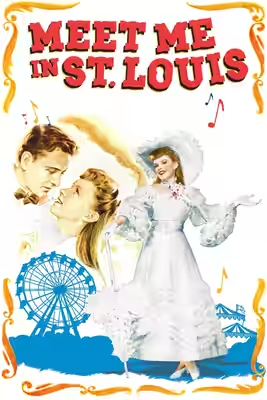
After Little Women, try Lady Bird (2017, Fi1m 86): Gerwig’s earlier film; a mother and daughter arguing in the same loving, overlapping way. Then Sense and Sensibility (1995, Fi1m 85): Two sisters, no money, and the marriage market seen clearly; Emma Thompson’s script is exact; and Meet Me in St. Louis (1944, Fi1m 87): A household of girls across four seasons, and a Christmas song sadder than it sounds.

Cast

Awards

Academy Awards, 2020

Nominated
Best Picture
Won
Best Costume Design

If you liked this, try…

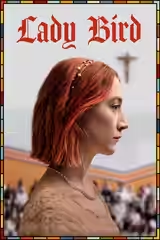
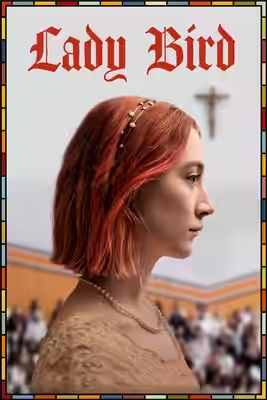
  1. Lady Bird (2017, Fi1m 86)Gerwig’s earlier film; a mother and daughter arguing in the same loving, overlapping way.

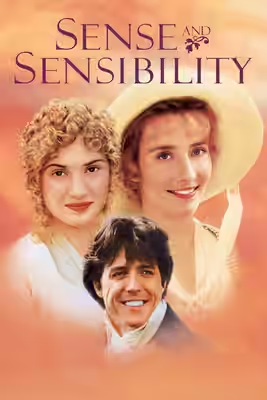
  2. Sense and Sensibility (1995, Fi1m 85)Two sisters, no money, and the marriage market seen clearly; Emma Thompson’s script is exact.

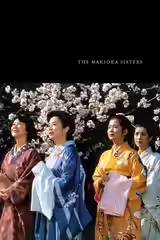
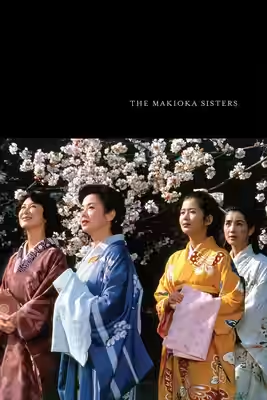
  3. The Makioka Sisters (1983) · not reviewed yetFour Osaka sisters and a family fortune running out, watched across a year of seasons.

  4. Meet Me in St. Louis (1944, Fi1m 87)A household of girls across four seasons, and a Christmas song sadder than it sounds.

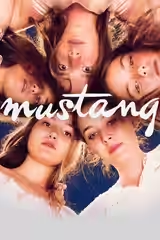
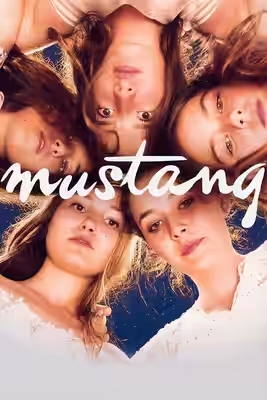
  5. Mustang (2015, Fi1m 84)Five sisters shut in a house on the Black Sea, and the one who will not stay.

Free account

Know what to watch tonight

Two lists that know where things are streaming, collections you can share, your own score beside ours, and Discover that remembers what you have seen.

  • Want to see, sorted by what is streaming now
  • Seen, with your score out of ten
  • No adverts, ever