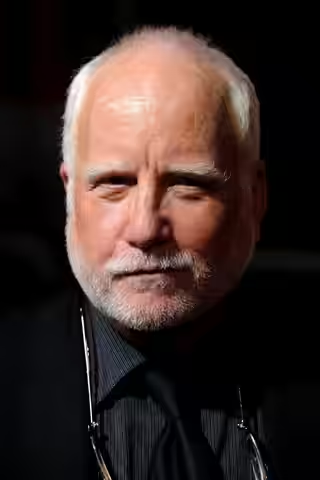
Richard Dreyfuss plays men who cannot stop talking and cannot stop thinking, and whether that is a pleasure or a trial depends on who is directing him. For Spielberg in the 1970s it was the same thing, and it was a pleasure.
Fi1m perspective
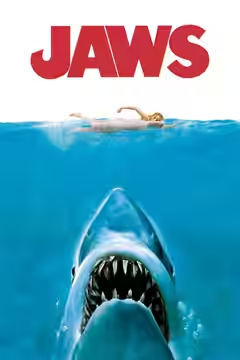
Watch Richard Dreyfuss listen. He does not do it for long. His characters have usually worked out where a conversation is going before the other person has finished, and they say so, and the film then has to decide whether to admire this or to wish him quiet. As Hooper in Jaws (1975) his confidence is lively and, in small doses, irritating, and Spielberg uses the irritation, because it stops the cleverest man on the boat from being the dullest. As Roy Neary in Close Encounters of the Third Kind (1977) he has stopped checking how he sounds to other people altogether. That is the whole performance, and it is a good one.
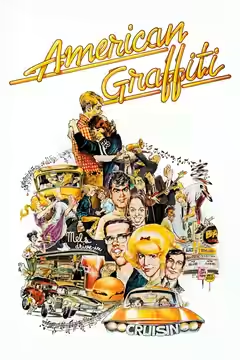
He arrived with the New Hollywood crowd. American Graffiti (1973) gave him Curt Henderson, a young man whose hesitancy we found appealing, and it is the one early part where the thinking happens behind the face rather than out loud. The Apprenticeship of Duddy Kravitz (1974) and The Goodbye Girl (1977) followed, and by the end of the decade he was being cast, again and again, as the hustler or the wisecracking everyman with too much going on upstairs. Spielberg directed him three times and got the best of him. Hooper and Roy are still the parts people mean when they say his name.
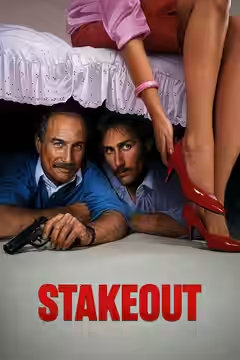
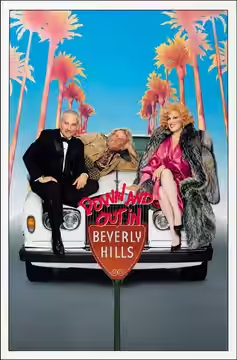
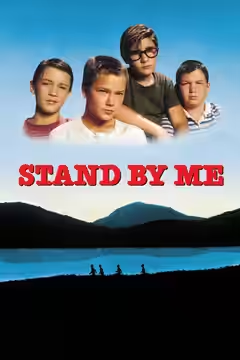
The 1980s brought Down and Out in Beverly Hills (1986), Stakeout (1987) and the narration of Stand by Me (1986), where the same quick intelligence, heard rather than seen, does the reflecting for the boys on screen. Paul Mazursky directed him twice. Mr. Holland's Opus (1995) put him behind a teacher's desk, a music man weighing his work against his family, and it is quieter and more controlled than the parts that made him. He has kept working since, mostly in support, on film and on television.
The complaint that has followed him is that the persona can tip into smugness, that his men are pleased with themselves in a way that makes an audience want to hit them, and Tin Men (1987) is the film usually held up as the exhibit. Some of the later work has been called overplayed, and we would not argue. But the fault and the gift are the same thing, and Close Encounters shows both. When Roy's obsession has taken over the household and Teri Garr's Ronnie is left to cope with it, we found ourselves on her side, and more firmly than we expected. That is Dreyfuss's doing as much as Spielberg's: he plays the wonder without once softening it for the people who have to live with him, and the film is more honest for it, even when the script is not.
He said in 2016: "I think I have the finest body of work of any American actor." We would not go that far. But it is the sort of thing one of his characters would say, without first checking how it sounds to anyone else, and it is why we kept watching them.
Biography
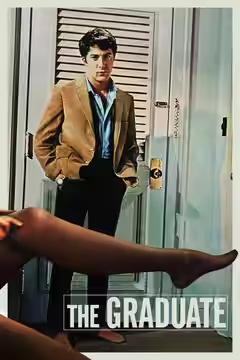
Richard Dreyfuss is an American actor. Born on 29 October 1947 in Brooklyn, New York City, he began his career with small roles in films including The Graduate (1967) and gained prominence in American Graffiti (1973) and The Apprenticeship of Duddy Kravitz (1974).
He played Hooper in Jaws (1975) and Roy Neary in Close Encounters of the Third Kind (1977). Dreyfuss won the Academy Award for Best Actor for his performance in The Goodbye Girl (1977) and received a nomination for Mr. Holland's Opus (1995). He has also won a BAFTA Film Award and a Golden Globe Award.