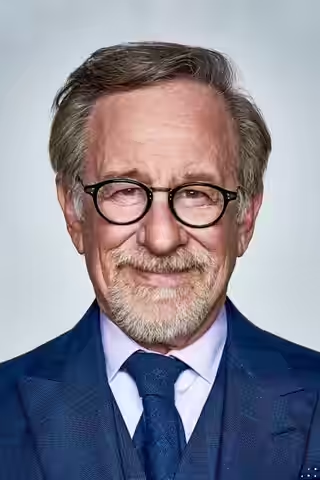
Spielberg's films are built on patience and clarity: he lets us see the people, then makes us wait for the thing. The best of them we would recommend to almost anyone. The habit that lets the others down is a refusal to leave an earned feeling alone.
Fi1m perspective
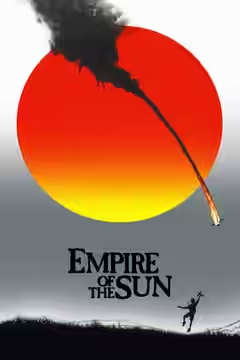
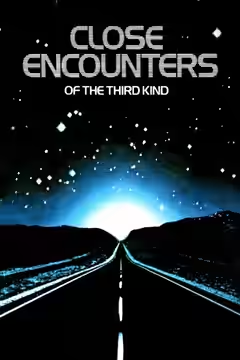
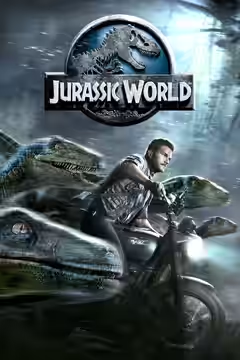
Somebody looks up. Roy Neary at a roadside in Close Encounters of the Third Kind (1977), the visitors standing in front of a dinosaur in Jurassic Park (1993), Jim in a Shanghai crowd in Empire of the Sun (1987): Steven Spielberg shows us the face before he shows us the thing, and he holds on it longer than most directors would dare. The shot has a nickname now. It works because he has already made us care who is doing the looking, and because he is prepared to let us wait.
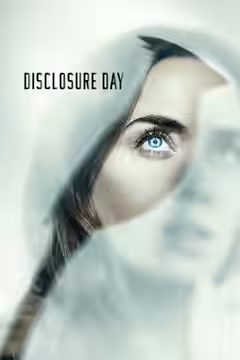
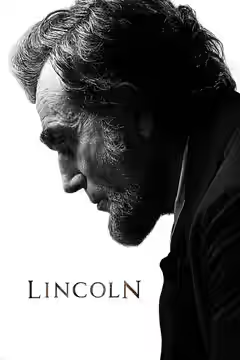
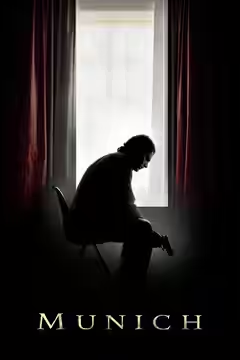
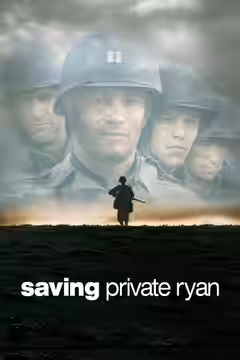
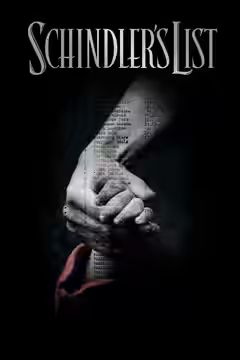
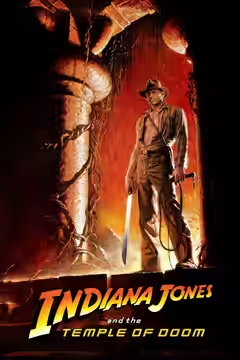
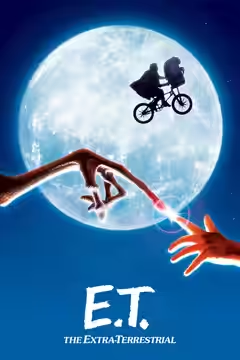
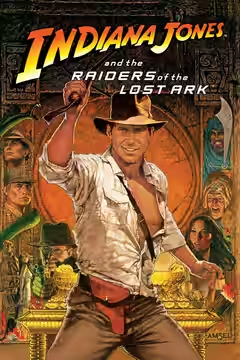
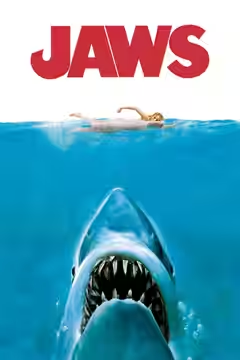
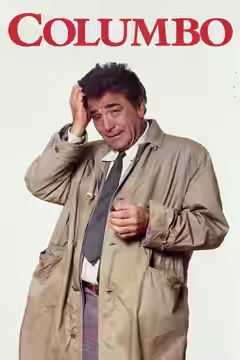
He started in television, with Duel (1971) and an episode of Columbo the same year, and reached cinemas with The Sugarland Express (1974). Jaws (1975) is where the method arrives whole: a shark, a cramped boat, three men who cannot get out of each other's way, and long stretches of talk that a lesser thriller would have cut. Raiders of the Lost Ark (1981) and E.T. the Extra-Terrestrial (1982) followed, and they remain the films of his we would press on almost anyone. Then, in 1993, the year of Jurassic Park, came Schindler's List, and a second career: Saving Private Ryan (1998), Munich (2005), Lincoln (2012). He was still at it with Disclosure Day (2026).
What holds it together is the cutting. Michael Kahn has edited many of these films, and the two of them share a gift for making danger legible: in Jurassic Park we are given time to register a person's apprehension, understand the threat and dread the next movement, which is why the suspense lasts. In Munich, with Janusz Kamiński's grainy photography making the violence look dirty, Kahn keeps each assassination so urgent that we were frightened and then disturbed by how much we wanted the killings to go to plan. That is Spielberg at his most uncomfortable and his most honest. He knows what our appetite for a well-run operation is, and he does not pretend it goes away because the subject is grave.
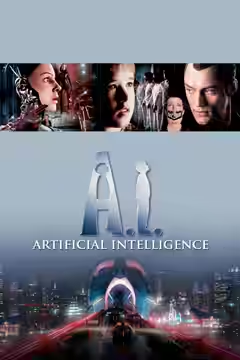
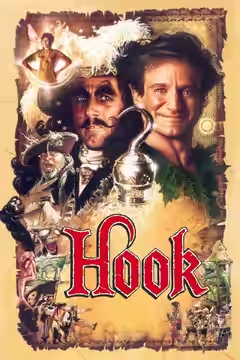
The flaw is the one our reviews keep naming: he will not leave a feeling alone. John Williams's music is a large part of why E.T. and Raiders work, and in Schindler's List, Saving Private Ryan and Empire of the Sun it presses on emotions the images have already earned. A.I. Artificial Intelligence (2001), which Spielberg also wrote, is deeply moving and then explains itself in narration. Catch Me If You Can (2002) has actors making feelings plain that the script spells out anyway. And he runs long: Hook (1991), the low point, is 142 minutes of Neverland with nowhere we want to go, and Disclosure Day is twenty minutes over.
He told an interviewer in 1977: "There are only two things I am a bully about, where to put the camera and where to make the splice." He has kept that promise. It is the third thing, the music and the explaining, that he has never learned to be a bully about. Start with Jaws or Raiders, save Schindler's List for an evening with the stomach for it, and leave Hook to the children.
Biography
Steven Spielberg is an American film director, producer and screenwriter. He was born on 18 December 1946 in Cincinnati, Ohio.
Spielberg directed, produced and wrote the story for Disclosure Day (2026). He is known for directing Jaws (1975), Raiders of the Lost Ark (1981), E.T. the Extra-Terrestrial (1982), Jurassic Park (1993), Schindler's List (1993) and Saving Private Ryan (1998), among other films.