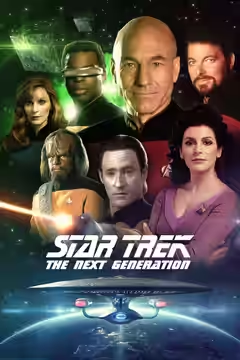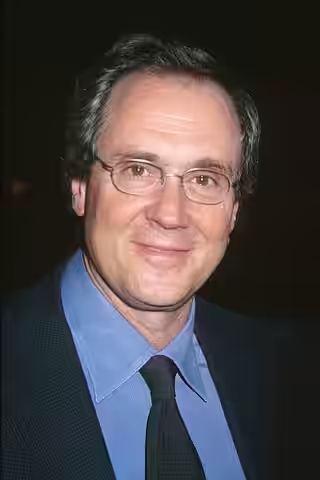
Rick Berman ran Star Trek for nearly twenty years and gave it a house manner: calm, formal, slightly out of time. It produced the franchise's best drama and, towards the end, some of its most careful work, and careful is not always a compliment.
Fi1m perspective
Nobody on a Berman-era Star Trek talks the way people talked in the year it was made. Officers stand straight, speak in full sentences and address one another by rank. That was deliberate. Berman told his actors that "Star Trek is not contemporary. It's a period piece", and you can hear that instruction in almost every scene he oversaw.
He came to it from documentary and industrial films and from programming jobs at Paramount, and his virtues are a producer's rather than a writer's. Gene Roddenberry picked him as supervising producer on Star Trek: The Next Generation in 1987; as Roddenberry stepped back, Berman rose to executive producer. He co-created Star Trek: Deep Space Nine (1993) with Michael Piller, Star Trek: Voyager (1995) with Piller and Jeri Taylor, and Star Trek: Enterprise (2001) with Brannon Braga, and he produced and contributed stories to all four Next Generation films between 1994 and 2002. He stayed until Enterprise ended in 2005 and left the following year.
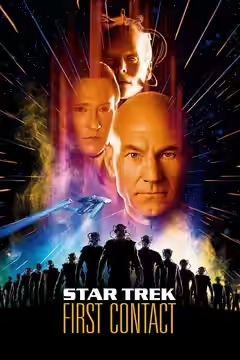
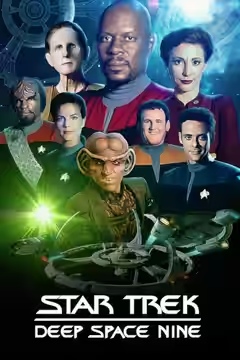
The best of it is the series that broke Star Trek's own rule about leaving. Deep Space Nine keeps its people on a station above a planet just out of occupation and makes them live with what they do, and after two slow seasons it becomes the best sustained drama the name has produced. We did not expect a Star Trek programme to make us dread the next episode, and its middle seasons did, once the station's neighbours began pressing in and those calm, upright officers had to decide what they were prepared to do. Piller's hand is on that as much as Berman's, but Berman kept several series running at once and let this one carry long stories. Star Trek: First Contact (1996), from a story he worked out with Braga and Ronald D. Moore, is the other high point: tense, warm, with a streak of horror, and Patrick Stewart giving it weight.
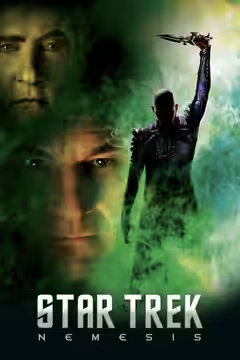
A house manner protects a franchise and holds it still, and by the later years the calm had set into caution. Some writers and critics complained that Star Trek: Nemesis (2002) and the programmes around it had grown constrained, less willing to be strange, and we would not argue with them. He preferred not to let a war running on one series spill into another, so Voyager kept its distance from trouble that might have fed it. Everyone still stood straight and spoke in full sentences; fewer of them had anything urgent to say.
He has said he would like to be remembered as the man who kept Roddenberry's ideals intact across four series and four films. That is a fair account of what he did, and of its limit. Start with Deep Space Nine, give it two seasons, and watch what the manner can hold when somebody is allowed to push against it.
Biography
Rick Berman, also credited as Richard Keith Berman, is an American television producer and screenwriter. He was born on 25 December 1945 in New York City and studied English and film production at the University of Wisconsin–Madison.
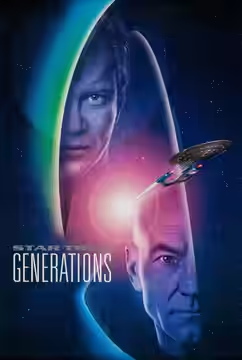
Berman joined the Star Trek franchise in 1987, working on Star Trek: The Next Generation before succeeding Gene Roddenberry as its head. He served as executive producer on Star Trek: Deep Space Nine (1993–1999), Star Trek: Voyager (1995–2001) and Star Trek: Enterprise (2001–2005), which he co-created. He produced and received story credit on the feature films Star Trek: Generations (1994), Star Trek: First Contact (1996), Star Trek: Insurrection (1998) and Star Trek: Nemesis (2002).