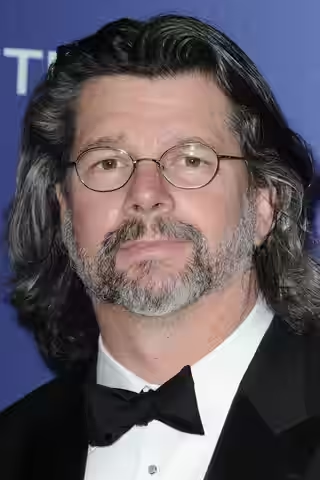
Ronald D. Moore writes science fiction about people struggling to live and work together. We rate him highly, though he can keep his characters looking troubled long after the actors have made the point.
Fi1m perspective
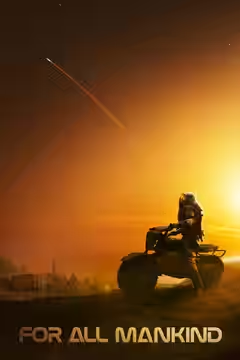
In For All Mankind (2019), NASA has to watch a Soviet cosmonaut reach the moon first on television. Moore, Ben Nedivi and Matt Wolpert use that reversal to keep the space race going, then spend too long with unhappy men in kitchens. The women’s programme and the later lunar stretch reward the wait, but the first season takes six episodes to find its footing.
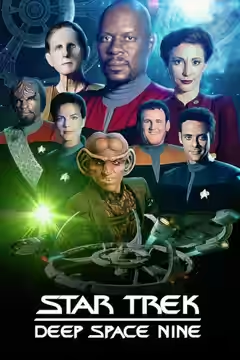
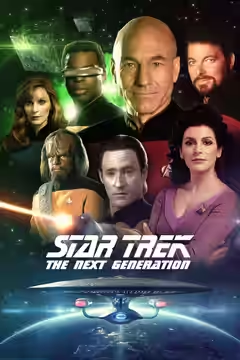
He began writing for television in 1989, on Star Trek: The Next Generation (1987). Its belief in intelligent conversation provides useful context for what followed. On Star Trek: Deep Space Nine (1993), he worked in a writing team that included Ira Steven Behr, Robert Hewitt Wolfe, René Echevarria and Hans Beimler. They let stories continue across episodes and seasons, giving neighbouring powers interests of their own. That shared authorship matters: the programme’s patient development cannot sensibly be credited to Moore alone.
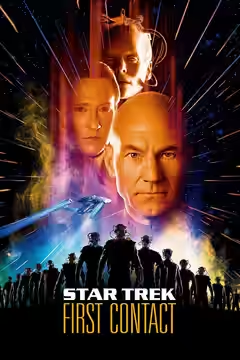
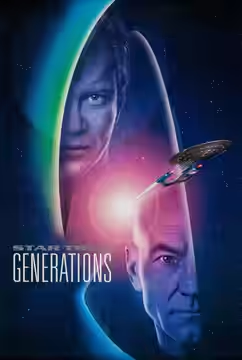
Star Trek: Generations (1994), written with Brannon Braga from Rick Berman’s story, is so busy arranging a handover that it forgets to make the danger urgent. Star Trek: First Contact (1996) has more purpose, helped by Jonathan Frakes’s brisk direction and willingness to let comedy into the adventure. Moore and Braga still give too little to the supporting crew. Familiarity has to supply characterisation, which is an awkward demand to make of newcomers.
On Daniel Knauf’s Carnivàle (2003), Moore helped establish a low-lit, slow-moving style that held across changing directors, including Jeremy Podeswa and Alan Taylor. Battlestar Galactica (2004) is the clearest reason to seek him out. Its tense storytelling puts sustained pressure on an ensemble led by Edward James Olmos and Mary McDonnell. We grew weary of its persistent gloom, because the programme kept stressing troubles those actors had already made convincing. A little more variation in mood would have helped, but we would still recommend spending the time with them.
He later adapted Diana Gabaldon’s novels as Outlander (2014), keeping core events while adjusting their order for television. The later seasons of For All Mankind grow steadier as they move further from recorded history, though that does not excuse the slow start. Begin with Battlestar Galactica, and leave room for something cheerful afterwards.
Biography
Ronald D. Moore is an American screenwriter and television producer. Born on 5 July 1964 in Chowchilla, California, he studied at Cornell University before entering the industry.
He began his career on the writing staff of Star Trek: The Next Generation (1987) in 1989 and later contributed to Star Trek: Deep Space Nine (1993) and Star Trek: Voyager (1995). With Brannon Braga he wrote the screenplay and story for the film Star Trek: First Contact (1996) and the story for Star Trek: Generations (1994).
Moore created and served as showrunner on the re-imagined Battlestar Galactica (2004), which earned him a Peabody Award. He has also written for Outlander (2014) and created For All Mankind (2019).