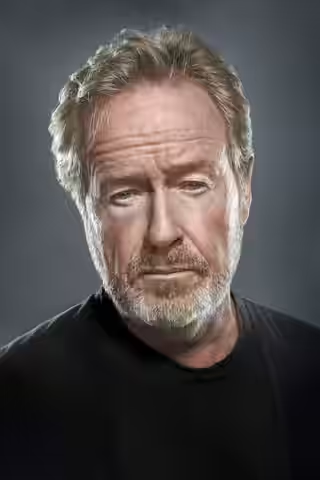
Ridley Scott builds places we believe in and stages battles we can follow. We rate him highly when the people receive the same attention, but his later historical films too often leave their central characters underwritten.
Fi1m perspective
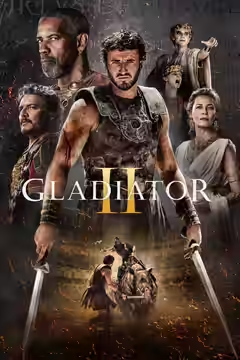
In the opening assault of Gladiator II (2024), ships grind against rocks, ladders rise and burning oil falls from the walls. John Mathieson’s grey morning light makes the fire stand out; editors Claire Simpson and Sam Restivo keep the fighting clear. We were gripped by the assault because the cutting lets us follow each change in the fighting. Scott can organise a battle without losing sight of the bodies involved. The disappointment comes when the film reaches Rome and grows busier without giving Paul Mescal a character much beyond his grudge.
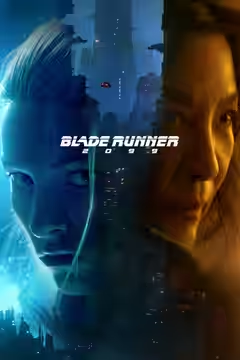
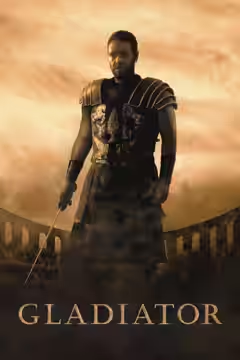
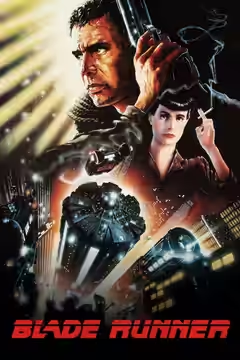
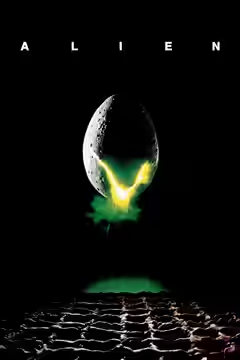
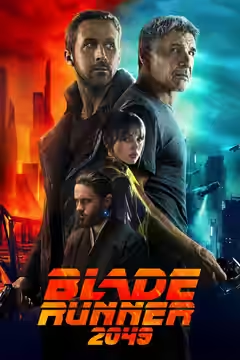
That attention to physical detail runs through a career that began in features with The Duellists (1977), where two officers keep a private feud going through years of war. Alien (1979) and Blade Runner (1982) brought his breakthrough, with science fiction giving him room to build thoroughly imagined places. His extensive storyboards, known as Ridleygrams, suggest how much of that work happens before filming. After an uneven period, Gladiator (2000) restored his prominence and gave the spectacle a firm human centre: one man, one loss, one enemy. The later return to that arena is a reminder that keeping the setting does not preserve the story.
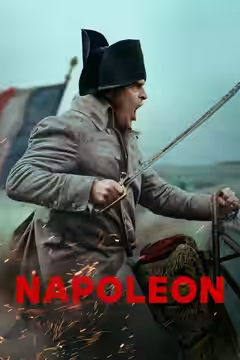
Napoleon (2023) tries to cover too much. David Scarpa’s script attempts to fit the whole adult life into 158 minutes, and Scott hurries from event to event without making the man any clearer. The battles remain carefully staged, while Vanessa Kirby gives the scenes between them some needed steadiness. Yet Joaquin Phoenix’s sulking Emperor never becomes someone we understand well enough to follow through so much history. We would send anyone interested in Scott’s historical films to The Duellists or Gladiator first.
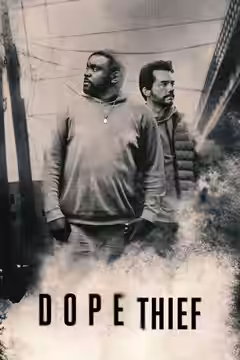
Dope Thief (2025) offers a more encouraging use of his briskness. Scott directs the pilot, balancing fraud, menace and dark humour before the crime series becomes tangled in its own plotting. Brian Tyree Henry and Wagner Moura make the friendship convincing, and the opening leaves room for compromised people to be affectionate and absurd. The pilot finds humour in people without pretending their crimes are harmless. We would welcome another story that gives him fewer armies and more time with the people.
Biography
Ridley Scott is an English film director and producer. He was born on 30 November 1937 in South Shields, County Durham (now Tyne and Wear), England. He studied at the Royal College of Art in London and began his career in television as a designer and director before directing commercials.
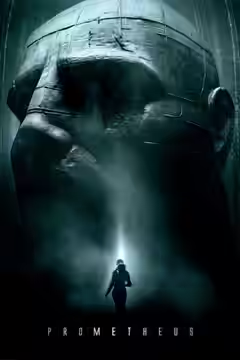
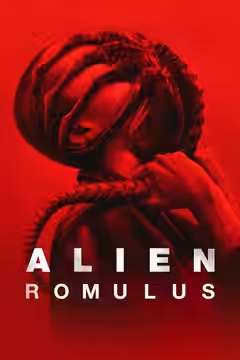
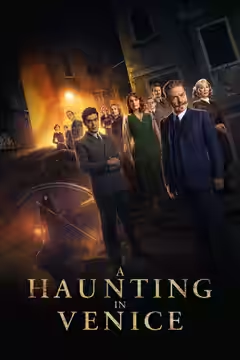
Scott made his feature directorial debut with The Duellists (1977). He is known for directing Alien (1979), Blade Runner (1982), Gladiator (2000), Prometheus (2012), The Martian (2015), Napoleon (2023) and Gladiator II (2024). He has also produced films including Alien: Romulus (2024) and A Haunting in Venice (2023).
Scott was knighted in 2003 and appointed Knight Grand Cross in 2024. He received the BAFTA Fellowship for Lifetime Achievement in 2018.