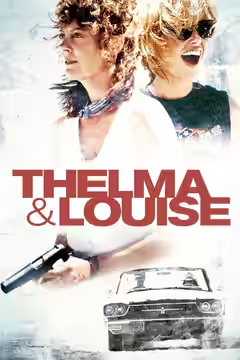
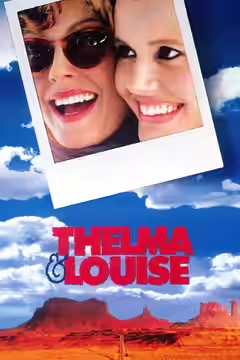
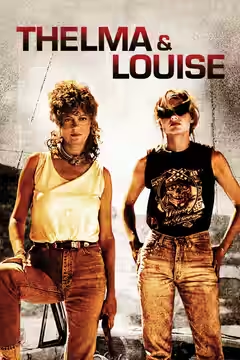
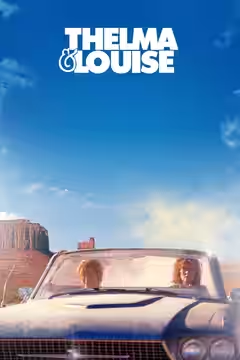
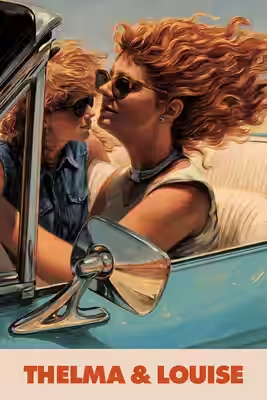
Ridley Scott’s road film is funny, angry and moving, with Susan Sarandon and Geena Davis making the friendship entirely convincing. The male characters can be crudely written, but the two leads make this a film worth returning to.
Thelma & Louise is a funny, moving road film whose bluntness is worth forgiving for the company it provides. Ridley Scott and writer Callie Khouri put two women into a genre built around the pleasure of leaving things behind, then make that departure more complicated than it first appears. The crime story supplies the danger, but the friendship gives us a reason to care about it. Scott is good at keeping both in view, even when Khouri makes the supporting men too easy to dislike.
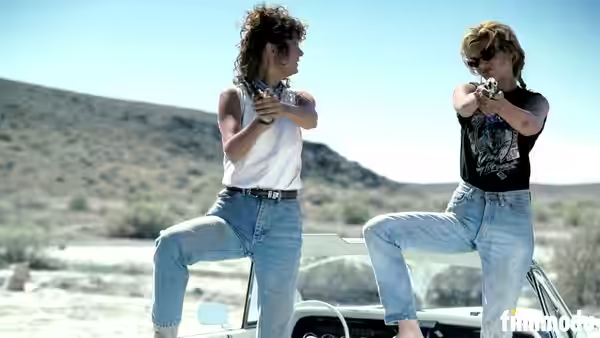
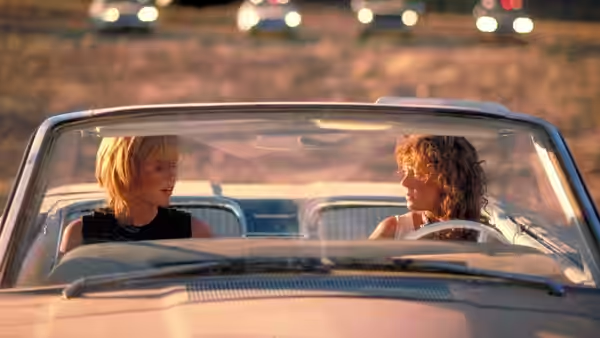
Susan Sarandon’s Louise and Geena Davis’s Thelma are different enough to irritate each other without making their attachment difficult to believe. Sarandon gives the exchanges a bracing firmness; Davis makes the prospect of a little enjoyment feel difficult to resist. Neither performs friendship as an endless supply of sympathetic looks, and their comic timing allows disagreement to be funny without making affection doubtful. We felt an unexpected relief as they left on their trip, because the chance for these two to enjoy each other’s company seemed overdue. That response matters once the journey becomes a crime story.
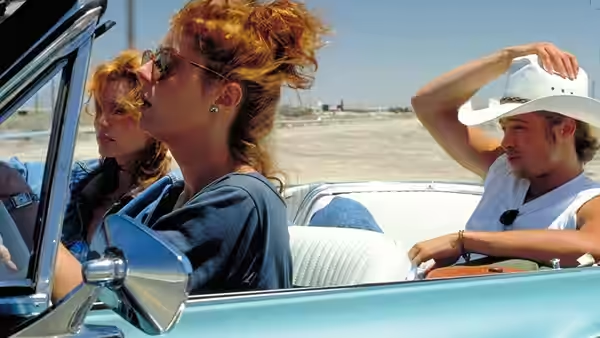
Khouri’s dialogue is sharpest when the women are responding to each other, with no obligation to explain what they represent. The writing becomes less persuasive when a man seems to have been supplied chiefly to demonstrate another reason they need to get away. The complaint that these characters can be stereotypes is fair: too many have an objectionable attitude and little else to distinguish them. Harvey Keitel’s Hal benefits from a performance that suggests more thought than the screenplay always permits elsewhere, making the surrounding caricatures more noticeable.
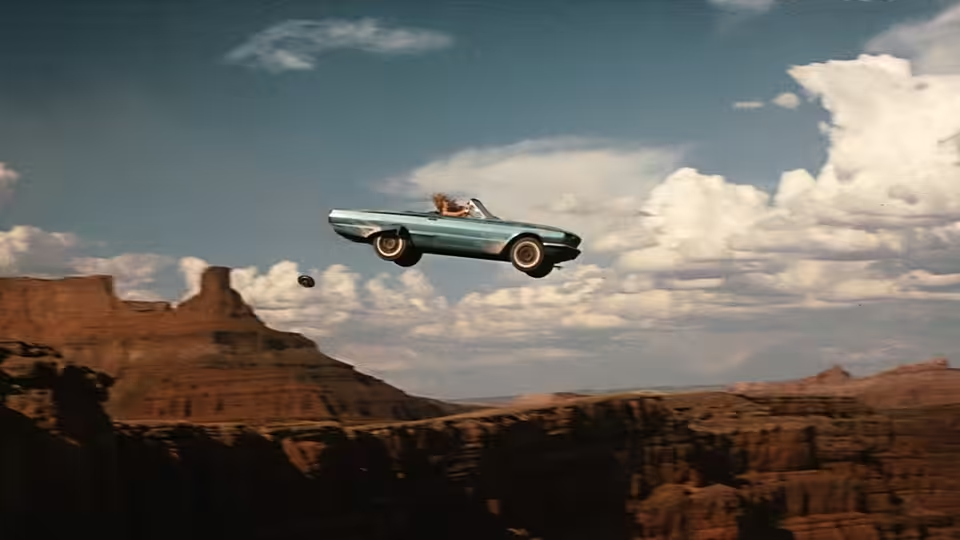
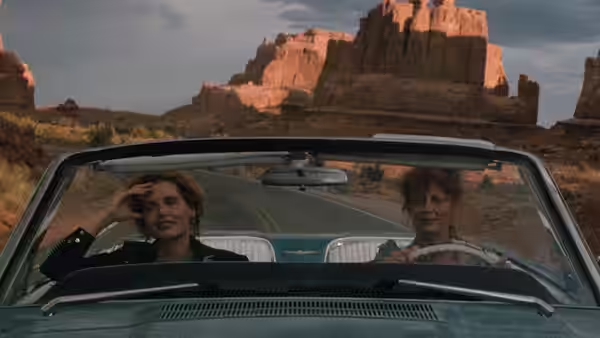
Adrian Biddle’s cinematography gives the desert expanses enough space to make getting away look tempting. Scott gives the women the space and visual importance that this genre has so often granted its men. Norris Spencer’s production design is effective on a smaller scale, keeping the surroundings of the conversations from competing with the actors. The contrast is useful: the film can enjoy a large landscape and still bring our attention back to two people trying to work out what to do.
Thom Noble’s editing gives the comic exchanges time to land without letting the crime story lose pace. At 130 minutes, the film has room to enjoy its leads, and that time together is a large part of why the danger has weight. Hans Zimmer’s score helps sustain the forward movement without being asked to supply all the excitement itself. Scott’s handling of the action is assured, but he is equally persuasive when he gives Davis and Sarandon time to react.
Giving women the leads in a familiar male genre does not make every role reversal insightful. What makes this worth the journey is that Davis and Sarandon are allowed to be awkward, funny and fallible, with an attachment that survives differences in temperament. Scott’s handling of their companionship gives the film more warmth than the crime set pieces could provide on their own. Watch it with someone whose bad decisions have never quite put you off them.