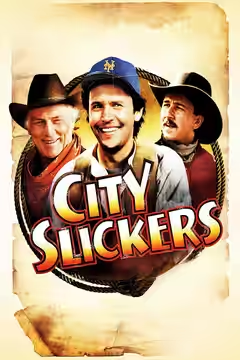
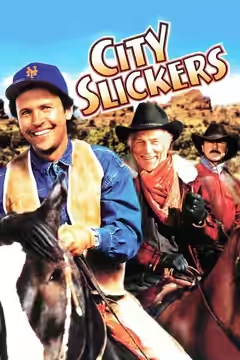
Ron Underwood’s comedy western is worth an evening for Billy Crystal, Jack Palance and the convincing friendship at its centre. The script occasionally insists on a life lesson when the actors have already made the point.
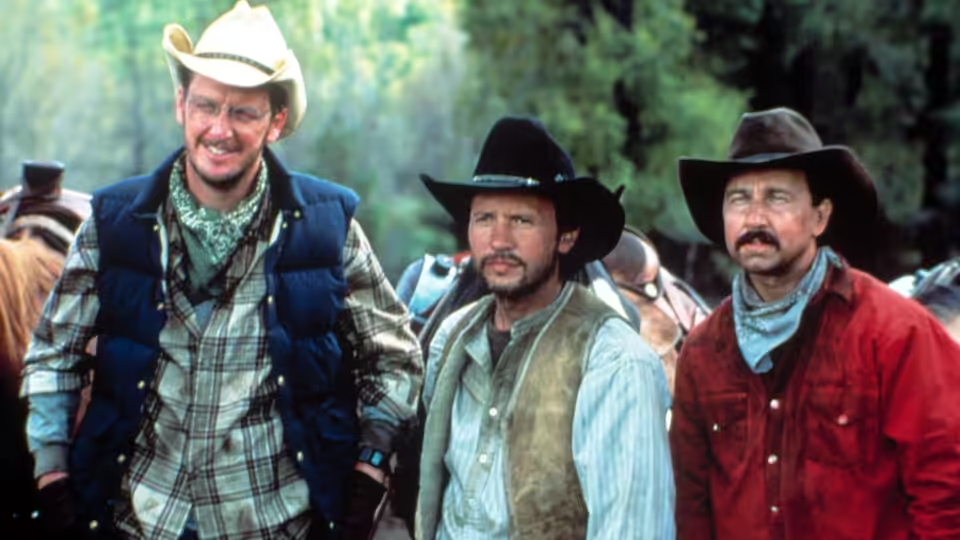
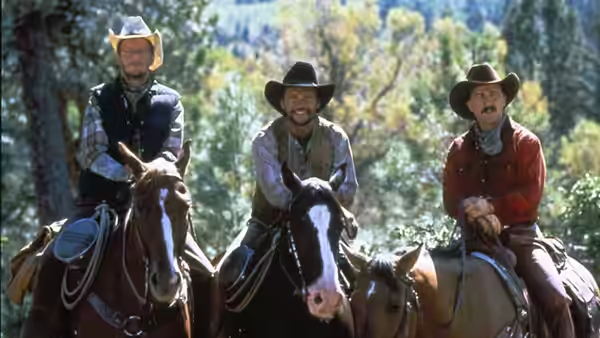
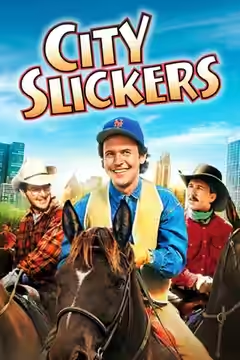
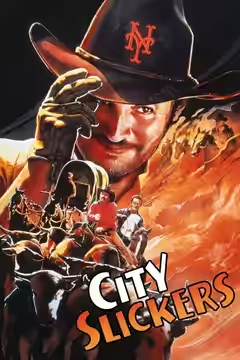
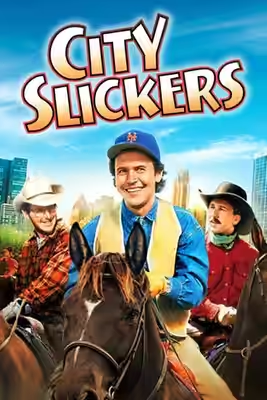
City Slickers is a good-hearted comedy about men who have reached middle age without much idea of what to do next, and it earns most of its sentiment. Ron Underwood sends three city friends on a cattle drive, where unfamiliar work gives them something new to complain about. The holiday is supposed to interrupt their dissatisfaction, though they have thoughtfully brought that along too. We recommend it for the company, with a warning that the life lessons grow more insistent as it goes.
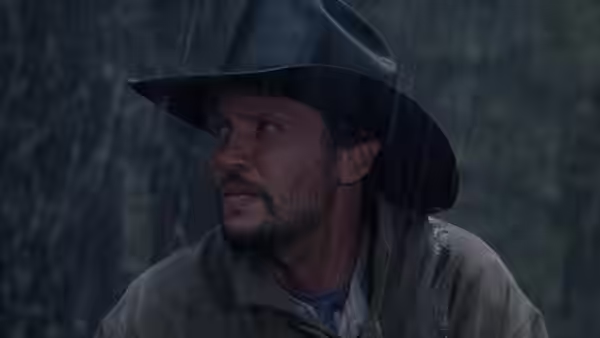
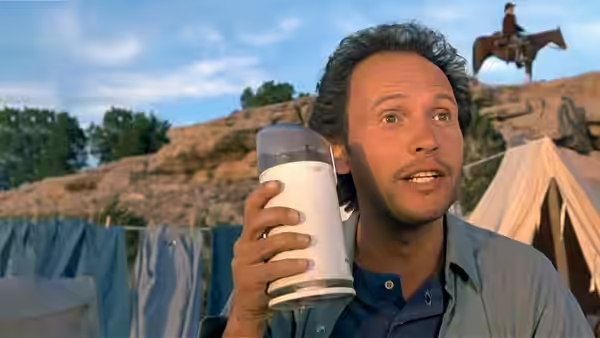
Billy Crystal makes Mitch Robbins’s readiness with a joke feel like a habit he cannot switch off. In the early lecture on ageing, the ease of the delivery is funny and the prospect he describes is grim. We laughed, then felt a little low, because Crystal makes getting older sound like something Mitch has already decided he cannot enjoy. Screenwriters Lowell Ganz and Babaloo Mandel understand that a man can be entertaining company while exhausting himself, and they give Crystal enough room to suggest both.
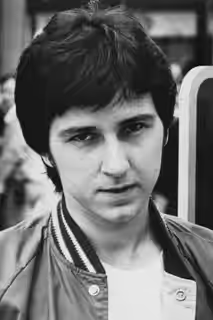
Daniel Stern’s Phil Berquist and Bruno Kirby’s Ed Furillo give the friendship enough friction to prevent Crystal from becoming the entire film. The exchanges have the slightly competitive quality of friends who know how to get a laugh at one another’s expense. Around the campfire, confidences and quips sit naturally together, at least before the writing starts to press for a lesson. The performances keep the men companionable even when their problems begin to sound familiar.
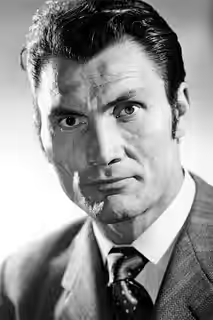
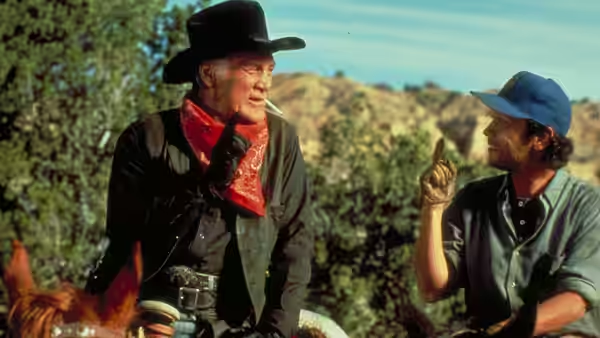
Jack Palance, as trail boss Curly Washburn, is the useful interruption. His severity makes the city men’s chatter funnier, and his restraint gives their busy performances something solid to work against. Underwood understands the comic advantage of putting a tough cowboy beside men accustomed to talking their way through discomfort. Palance scarcely needs the script to underline the difference, which makes some of the more emphatic tenderfoot gags feel unnecessary.
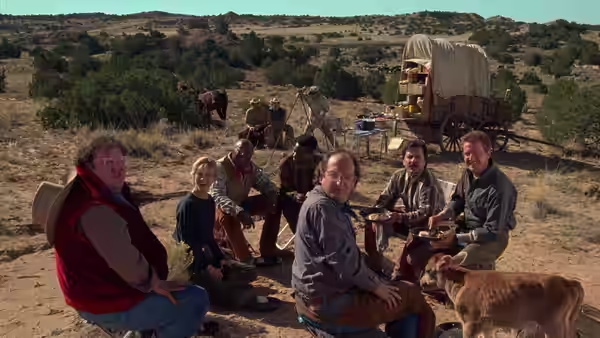
Dean Semler’s cinematography makes the cattle-drive setting inviting enough to explain the men’s choice of escape. The scenery has a welcome chance to hold our attention between their exchanges, and the western feels like a place worth visiting. Lawrence G. Paull’s production design gives the cowboy surroundings a practical feel, useful when the humour depends on visitors being out of place. The setting remains credible even when the men’s discomfort is played broadly.
O. Nicholas Brown’s editing serves the quick exchanges well, but the alternation of wisecrack and personal reckoning becomes easy to anticipate. Marc Shaiman’s music supports the western excursion more comfortably than the invitations to feel moved. Ganz and Mandel sometimes explain an emotion the actors have already made clear, and the accumulated reassurance softens the comedy. The film would lose little warmth if it allowed a few more uncomfortable thoughts to pass without tidying them up.
The formula is familiar: unfamiliar work, bruised pride, a chance to reconsider ordinary life. Crystal, Stern and Kirby make the friendship convincing enough that we can forgive much of the predictability. Underwood also gives the western a fair hearing, allowing the excursion to seem attractive even while laughing at the tourists. Choose it for a companionable evening, provided a little advice about living better will not spoil the jokes.