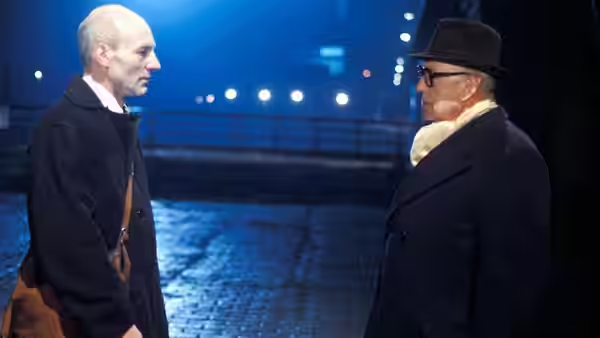
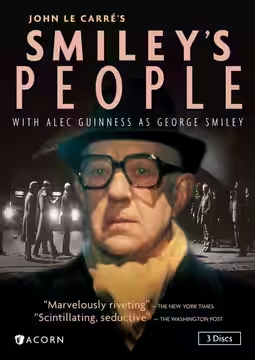
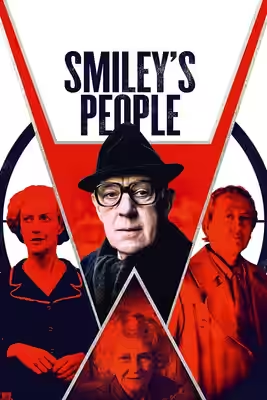
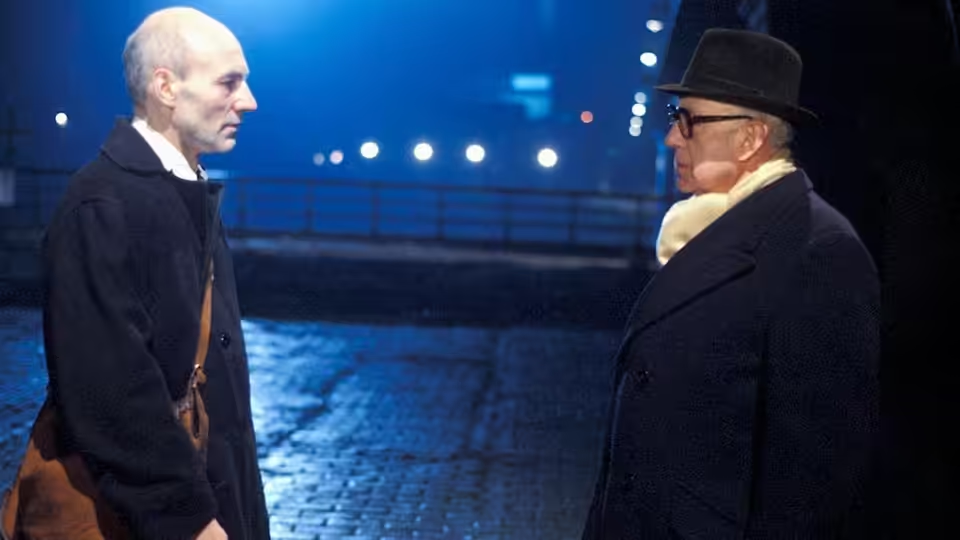
George Smiley (Alec Guinness) facing a man on a nighttime cobblestone street
Series review

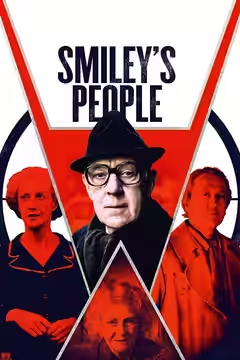
Smiley's People

1982 · Created by John le Carré · Series · 50m

In a sentenceAlec Guinness makes ruthlessness look like good manners

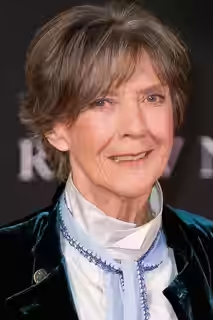
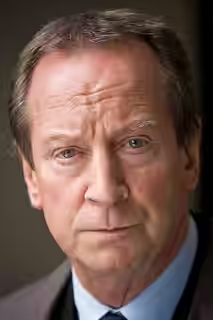
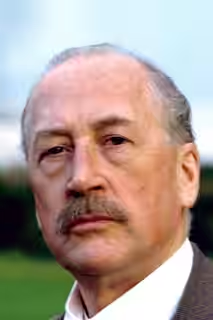
George Smiley (Alec Guinness) is the central figure in this six-episode adaptation of John le Carré’s novel. Its characters include Madame Ostrakova (Eileen Atkins), Toby Esterhase (Bernard Hepton) and Peter Guillam (Michael Byrne). Oliver Lacon (Anthony Bate) and Lauder Strickland (Bill Paterson) also feature, alongside Otto Leipzig (Vladek Sheybal) and Anton Grigoriev (Michael Lonsdale). Simon Langton directs the 1982 mystery drama, with John le Carré and John Hopkins adapting the novel for television and Jonathan Powell producing the series.

Plays from YouTube when you press play; nothing loads from them until then.

Fi1m review

Smiley’s People rewards close attention, chiefly because Alec Guinness makes George Smiley’s restraint so unsettling. The intricate plotting can keep feeling at a distance, but the performances make the effort worthwhile.

Smiley’s People is absorbing television, with acting good enough to justify the work its intricate plotting demands. Simon Langton directs this six-episode adaptation of John le Carré’s novel, written for television by John le Carré and John Hopkins. Alec Guinness plays George Smiley with a restraint that makes close attention feel necessary. The pleasure is in watching a performance that gives us little help in deciding how comfortable we should feel about the man at its centre.

We found Alec Guinness unsettling. His controlled playing allows Smiley’s ruthlessness to emerge without the actor signalling a change into somebody more obviously dangerous. A quiet manner is easy to accept as reassurance, and the performance makes us conscious of having done just that. He gives us enough to keep looking, but does not tidy the character into someone we can simply approve of or condemn. It is exacting work, and the series benefits from his unwillingness to explain the man for us.

Bernard Hepton’s Toby Esterhase is the supporting performance that most rewards attention. He holds his own beside the lead without making the drama feel like a competition for our notice. Eileen Atkins plays Madame Ostrakova, Michael Byrne plays Peter Guillam, and Bill Paterson plays Lauder Strickland. The ensemble is essential to making the complicated story engaging: we need to care who these people are before we can care how they fit together. The actors give us reason to keep following them.

Kenneth MacMillan’s cinematography and Austen Spriggs’s production design help sustain the atmosphere that makes this more than an exercise in keeping track of names. Their work supports the concentration on people, rather than distracting us from it. Chris Wimble and Clare Douglas give the performances room in the editing, while Patrick Gowers’s music contributes to the unease. These are effective choices for a mystery that asks us to watch closely, although the measured pace occasionally makes that request feel rather stern.

Our reservation concerns the demands of the plotting. John le Carré and John Hopkins sometimes make the business of following the story so demanding that our interest in the people temporarily recedes. We understand why this sort of story needs complications, but understanding the need does not make every complication equally absorbing. The drama is more affecting when the human cost becomes clear, and it takes patience to get there. Anyone who finds intricate plotting pleasurable in itself will have fewer objections.

There is a particular satisfaction in a television mystery that expects us to remember what we have seen. The series has that confidence, and we would not exchange its patient approach for a brisker programme that explained every connection twice. It does ask for the sort of uninterrupted attention that a complicated book gets more readily than television, and that is worth allowing for before starting. Choose an evening when nobody is likely to interrupt with a question about who somebody is.
Critical consensus AI synthesised

3 of 6
Positive
3
Mixed
0
Negative
0
The Guardian
15 December 2011
90*

The critic recommends the 1982 BBC series as a masterly adaptation of John le Carré's novel ahead of a potential film sequel. They single out Alec Guinness's subtle, ruthless portrayal of Smiley and the series' intricate plotting and supporting performances.

Read the full review →
The Times
3 July 2004 · Ed Potton
70*

The critic calls the 1982 series a small-screen classic and intricate antidote to Bond films, though its chills are slightly less deep than Tinker Tailor Soldier Spy. They praise Alec Guinness's controlled performance as Smiley and the DVD extras' insights into his casting.

Read the full review →
Paste
10 January 2020 · Shane Ryan
80*

The critic finds the 1982 BBC adaptation slightly better than Tinker Tailor Soldier Spy due to its atmosphere and the tragic humanity of the plot, singling out Bernard Hepton's performance as Toby Esterhase and the tense final episode.

Read the full review →

Straight answers AI written, from our review

Is Smiley's People worth watching?
Smiley's People is worth watching for anyone with the patience for an intricate spy story, and we scored it 82. Alec Guinness plays George Smiley with a restraint that makes his ruthlessness unsettling, and the supporting cast keeps the complicated plot engaging. Choose an evening when nobody will interrupt, because the series expects you to remember what you have seen.
How long is Smiley's People, and what is it rated?
Smiley's People has episodes of about 50m. It is a drama and mystery series.
Where can I watch Smiley's People in the US?
Smiley's People is not on any streaming or rental service in the US at the moment. It is available in 4 other countries; change your country at the top of the page to see where. Availability is checked daily.
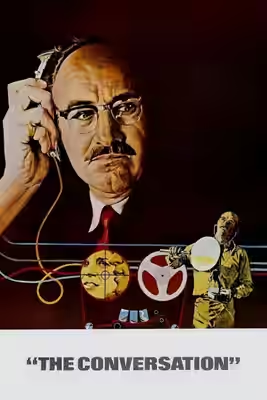
How does Smiley's People compare to The Conversation?
Smiley's People is a six-episode television mystery, while The Conversation is a feature-length thriller, so the earlier film is the tighter and more immediately gripping of the two. Both build suspense from guarded behaviour and uncertain knowledge, and both are led by quietly exacting performances. We recommend the film more readily; the series asks more patience and rewards it with a richer ensemble.
Is Smiley's People based on a true story or a book?
Smiley's People is based on John le Carré's novel of the same name, not on a true story. Le Carré adapted it for television himself with John Hopkins, and the plotting keeps the book's complications largely intact, which is where our one reservation lies. Knowing the novel is not required, but it does help with keeping track of who everybody is.
What should I watch after Smiley's People?
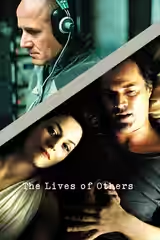
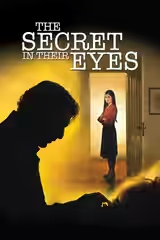
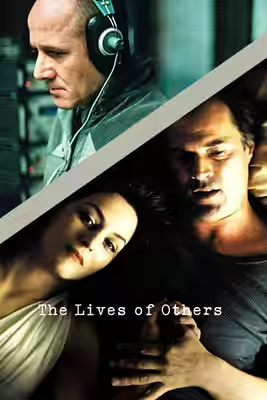
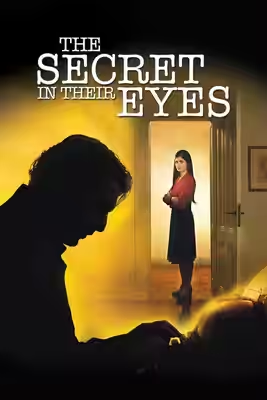
After Smiley's People, try The Conversation (1974, Fi1m 92): For close listening, guarded behaviour and suspense built from uncertain knowledge. Then The Lives of Others (2006, Fi1m 84): For surveillance drama that keeps the people more interesting than the machinery; and The Secret in Their Eyes (2009, Fi1m 78): For an investigation where old attachments make clear judgement difficult.

Cast

If you liked this, try…

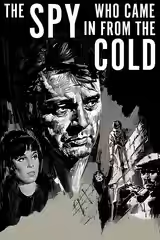
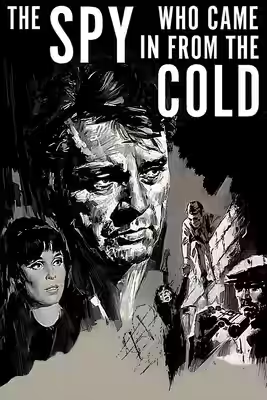
  1. The Spy Who Came in from the Cold (1965) · not reviewed yetFor another patient account of espionage that takes its human damage seriously.

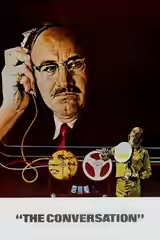
  2. The Conversation (1974, Fi1m 92)For close listening, guarded behaviour and suspense built from uncertain knowledge.

  3. The Lives of Others (2006, Fi1m 84)For surveillance drama that keeps the people more interesting than the machinery.

  4. The Bureau (2015) · not reviewed yetFor patient television espionage with room for professional loyalties to become complicated.

  5. The Secret in Their Eyes (2009, Fi1m 78)For an investigation where old attachments make clear judgement difficult.

Free account

Know what to watch tonight

Two lists that know where things are streaming, collections you can share, your own score beside ours, and Discover that remembers what you have seen.

  • Want to see, sorted by what is streaming now
  • Seen, with your score out of ten
  • No adverts, ever