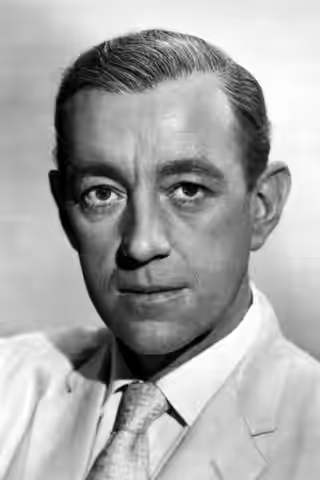
Alec Guinness can make a change of posture tell us who expects to be obeyed. We prize his quiet precision, especially when it makes comedy cruel or an apparently courteous man frightening.
Fi1m perspective
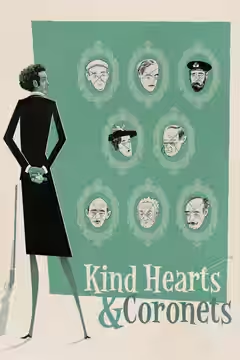
In Robert Hamer’s Kind Hearts and Coronets (1949), Alec Guinness changes his voice and posture and gives us another relative certain of their own importance. Across eight D’Ascoynes, the family resemblance survives without making the encounters feel repeated. We rate him especially highly here because he never lets the disguises interrupt the comedy. Even with eight parts to play, he seems chiefly interested in making the person in front of us credible.
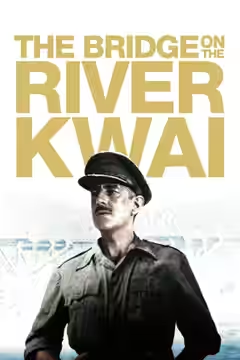
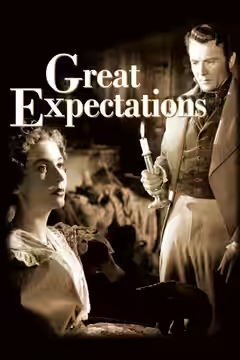
His early films with David Lean took him from Herbert Pocket in Great Expectations (1946) to Fagin in Oliver Twist (1948), before the Ealing comedies established his reputation for transformation. Lean later put that precision to work in Colonel Nicholson in The Bridge on the River Kwai (1957), a role that drew on his ability to make obsession credible. Obi-Wan Kenobi in Star Wars (1977) brought him to another generation. The famous roles make a useful introduction, but the small ones can tell us just as much about his acting.
Kind Hearts and Coronets also shows how much this precise acting needs from the people behind the camera. Douglas Slocombe’s restrained framing gives small changes of expression room to register, and Peter Tanner’s editing lets the polite phrasing land without labouring the joke. Hamer can enjoy Guinness’s variations without making the film stop for them. The pleasure in Louis’s scheming does leave other characters short of attention at times, but the D’Ascoynes remain distinct enough to hold ours.
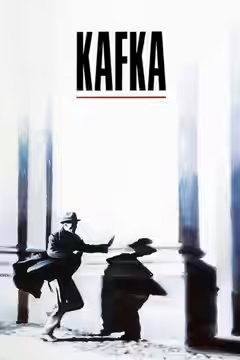
In Steven Soderbergh’s Kafka (1991), Guinness makes the Chief Clerk’s courtesy threatening in only a handful of scenes. We felt a chill as he came down the office aisle towards Kafka, with a hundred pens scratching around them. Walt Lloyd’s hard light and deep black, Gavin Bocquet’s ranks of desks and Cliff Martinez’s sparse score help make that walk unsettling. The story underneath remains pulp, and a performance this good cannot make it more substantial. Start with the D’Ascoynes; save the Chief Clerk for an evening when courteous menace will do.
Biography
Sir Alec Guinness (born Alec Guinness de Cuffe) was an English actor whose career spanned more than sixty years. He began on the stage in 1934 and appeared in numerous films, including eight roles in the Ealing comedy Kind Hearts and Coronets (1949). He won the Academy Award for Best Actor for his performance as Colonel Nicholson in The Bridge on the River Kwai (1957).
Guinness collaborated six times with director David Lean and played Obi-Wan Kenobi in the original Star Wars trilogy (1977–1983). Later credits include Kafka (1991), in which he played The Chief Clerk. He was knighted in 1959 and received the Academy Honorary Award in 1980.