Arthur Hopcraft and John Irvin turn le Carré’s mole hunt into seven hours of listening, and Alec Guinness makes the listening the drama. It asks for patience and rewards it, though one stretch in the middle tests the deal.
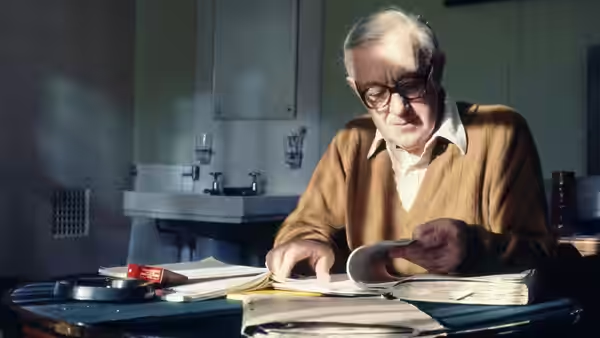
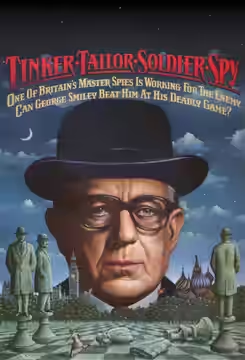
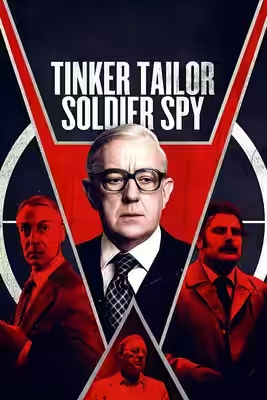
The BBC gave Arthur Hopcraft seven episodes of 50 minutes to adapt John le Carré’s novel, and he spent almost all of them on a man reading. George Smiley has been retired against his will. He is brought back to find a Soviet agent among the four men now running British intelligence, and he does it not by chasing anyone but by sitting in a hotel room with a stack of files, then going to see people who were there and letting them talk. It is a detective story in which the detective barely moves, and it is one of the best things British television has made.
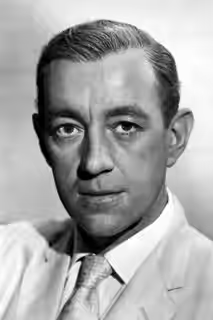
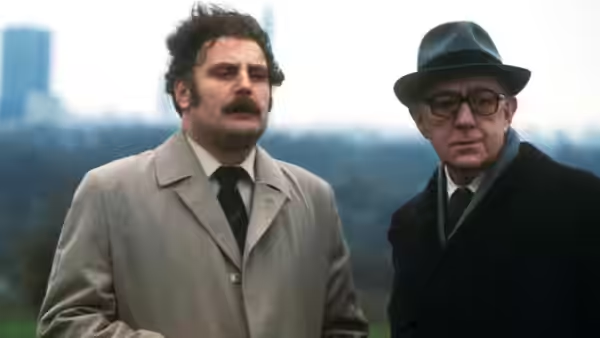
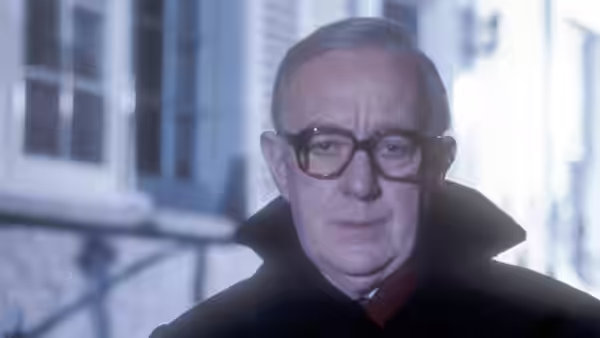
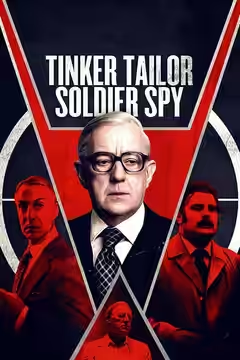
Alec Guinness plays Smiley with his spectacles, his raincoat and almost nothing else. He takes the glasses off to clean them when he is about to hear something that matters. He lets a silence run until the other person fills it, and the other person always does. Whole scenes pass in which he says nothing you would call a line, and the camera stays on him anyway, because his face is where the information is landing. It is a performance about attention, and it makes you pay it.
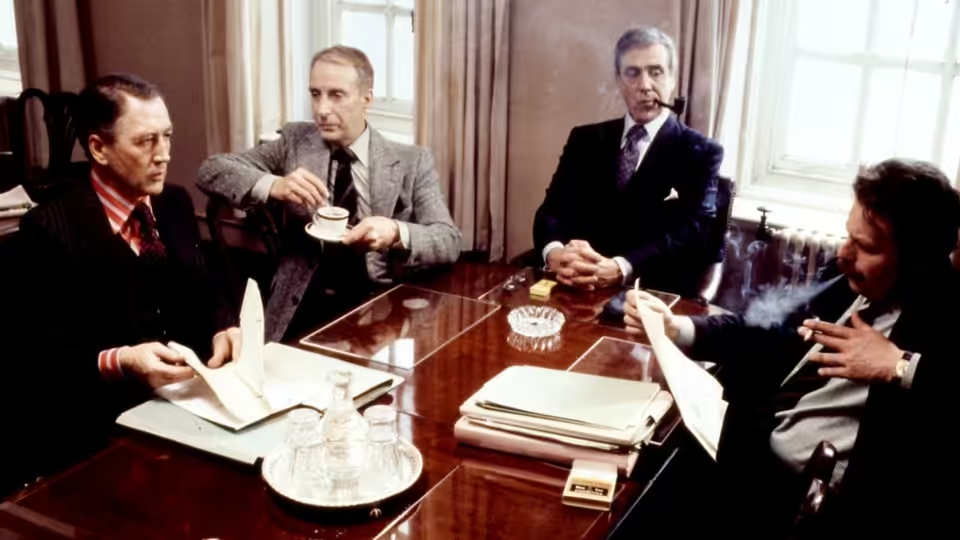
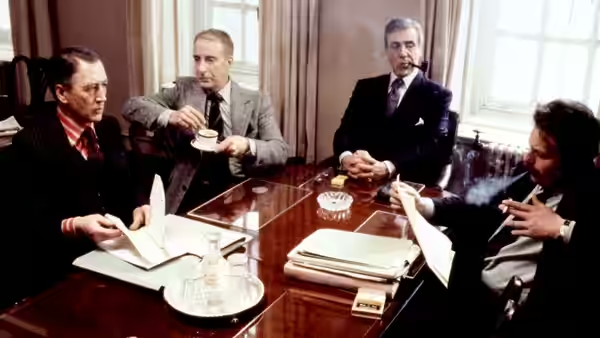
Tony Pierce-Roberts shoots all of this in the colours of a wet Tuesday: brown corridors, grey windows, fluorescent tubes that make everyone look unwell. Austen Spriggs’s Circus is a shabby office block with a caged lift and paint coming off the walls, which is the point; this is an empire run from a building nobody has bothered to decorate since the war. Joyce Mortlock puts every man in a good coat that has seen better days. Nobody here is glamorous, and the programme is quietly sure that nobody in the real thing was either.
John Irvin directs at a pace that would get a modern producer sacked, and Clare Douglas and Chris Wimble cut to match, holding on a face after the answer has come in case the face gives a second one. Geoffrey Burgon’s music stays out of the way until the credits, where a boy’s voice sings the Nunc Dimittis, and after seven weeks of that you start to hear it as a verdict on everyone involved.
The supporting cast is the best of its generation of British character actors, and Hopcraft gives each of them one scene to own. Ian Richardson’s Bill Haydon is charm with a slight sneer under it. Bernard Hepton’s Esterhase is a small man delighted to be in a big room. Michael Jayston makes Guillam the only person in the building who still looks as if he might hit someone. And then there is Beryl Reid as Connie Sachs, the sacked research queen, drunk in an Oxford bedsit, remembering the men she used to file as if they were sons. We were not prepared to be moved by a scene about card indexes, and we were, badly; Reid plays it without a trace of self-pity, and Guinness sits and takes it, and the whole vanished world of the thing is suddenly sitting there between them.
It is not without dead patches. Hywel Bennett’s Ricki Tarr is given an entire episode to tell his story from abroad, and the story is told almost wholly in flashback with Tarr’s voice over it, which is the one place the programme forgets that it is better at faces than at plot. Ian Bannen’s Prideaux, teaching at a prep school after his ordeal, is superbly done but disappears for long stretches. The plotting demands that you remember who worked for whom in 1955, and a viewer coming in cold will lose the thread at least once. We did, briefly, in episode four, and were cross about it.
Tomas Alfredson’s 2011 film with Gary Oldman got the same book into two hours and was admired for it. This is the version with room to breathe, and the extra room is where the sadness lives: the affairs, the betrayals, the men who joined to serve something and found it had gone. It first aired on 10 September 1979 and carries a PG, which is right; there is one shooting and a great deal of smoking.
Watch it a week at a time if you can bear to. Do not look at your phone. Smiley would notice.