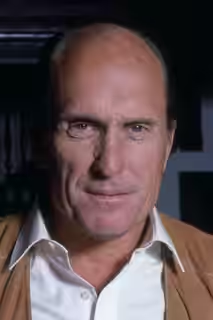
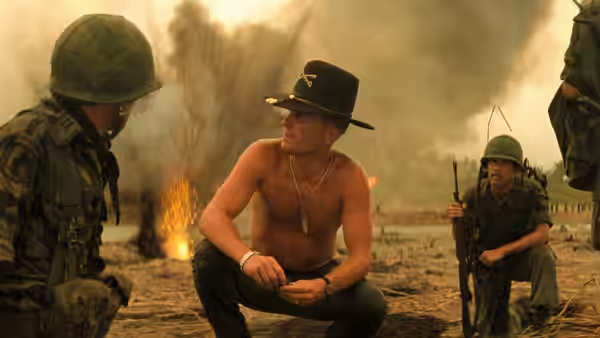
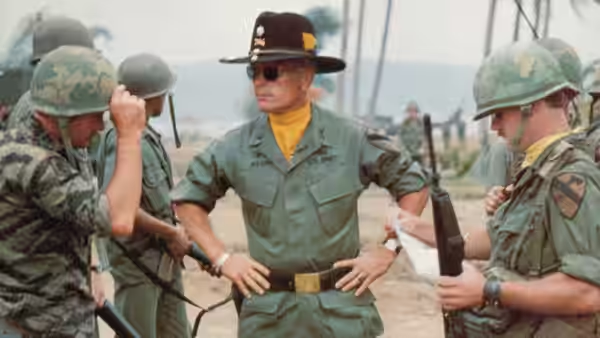
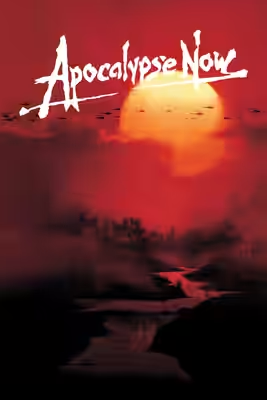
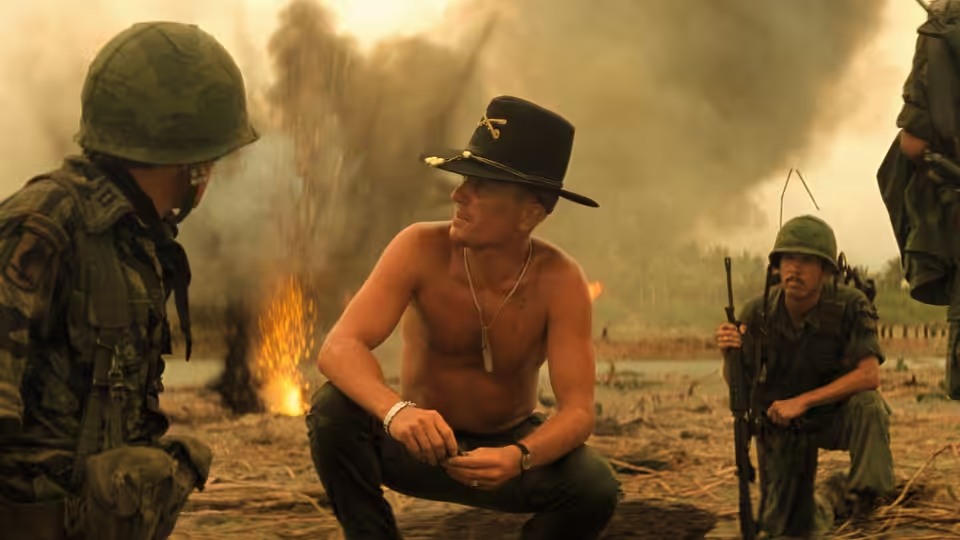
Lieutenant Colonel Bill Kilgore (Robert Duvall) squats shirtless among soldiers near fire
Film review

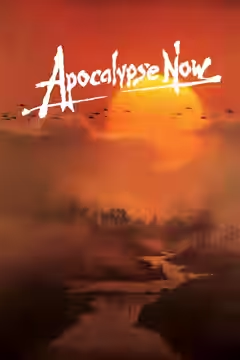
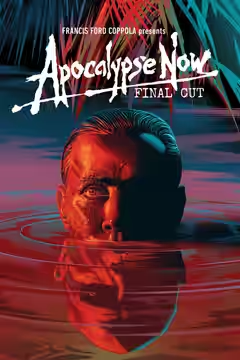
Apocalypse Now

1979 · Directed by Francis Ford Coppola · 2h 27m · MPA R

In a sentenceA war film that makes admiring the photography feel like something to confess

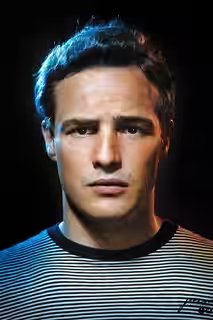
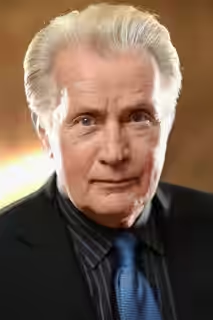
Captain Benjamin Willard (Martin Sheen) serves in the Vietnam War, where officers give orders and soldiers struggle to make sense of the fighting. Colonel Walter Kurtz (Marlon Brando) and Lieutenant Colonel Bill Kilgore (Robert Duvall) are among the men who wield that authority. Chief Phillips (Albert Hall), Chef (Frederic Forrest), Clean (Laurence Fishburne) and Lance (Sam Bottoms) also have to find their way through the conflict. Francis Ford Coppola’s film draws on Joseph Conrad’s Heart of Darkness to follow men confronting violence, obedience and the possibility of losing control.

Plays from YouTube when you press play; nothing loads from them until then.

Fi1m review

Francis Ford Coppola’s war film is frightening, absorbing and worth the discomfort. We recommend it without hesitation, though its later stretches sometimes labour over thoughts that the fighting has already made horribly clear.

We would recommend Apocalypse Now even to people who generally avoid war films. That is no promise of an easy evening. Francis Ford Coppola wants the fighting to disturb our judgement as well as our nerves, and for long stretches he manages both. The Vietnam War becomes frightening partly because the men carrying it out can seem so assured. We keep looking for someone whose authority deserves our confidence, and the performances keep making that difficult.

Martin Sheen’s Captain Benjamin Willard gives us a face we can keep watching when the film threatens to become too much. Sheen keeps the performance contained, making attention itself seem exhausting; he does not compete with everything Coppola puts around him. Robert Duvall takes the opposite approach as Lieutenant Colonel Bill Kilgore, making certainty so forceful that it becomes alarming. Duvall is funny without making the officer harmless. The humour unsettles because the confidence behind it is also entirely convincing.

Vittorio Storaro’s photography makes the Air Cavalry assault look orderly enough to admire before its violence has properly registered. We were horrified by the attack, and disturbed by how eagerly we had watched its approach. The careful arrangement of the aircraft makes the destruction harder to dismiss as somebody else’s madness. Coppola understands the appeal of military power well enough to make it dangerous to watch. That does not excuse every beautiful image here, but the assault gives this troubling way of photographing warfare a purpose.

Editors Walter Murch, Gerald B. Greenberg and Lisa Fruchtman give the action enough clarity for that response to develop. We can take in the size of an assault without the cutting turning every movement into another jolt. The difficulty comes in sustaining attention once spectacle gives way to more deliberate, troubled encounters, and the editing mostly lets the actors set the pace. The music by Francis Ford Coppola and Carmine Coppola adds a further unease, making the fighting difficult to settle into as entertainment. The sound keeps us tense through passages where the pace slows.

Dean Tavoularis’s production design gives the warfare a physical weight that holds up against Coppola’s increasingly strange way of presenting it. There is enough disorder in the surroundings to keep the soldiers from looking like actors placed in front of an impressive backdrop. Albert Hall, Frederic Forrest, Laurence Fishburne and Sam Bottoms help for much the same reason. Their performances give the film people worth attending to beyond its officers, and make its talk about damaged humanity feel earned.

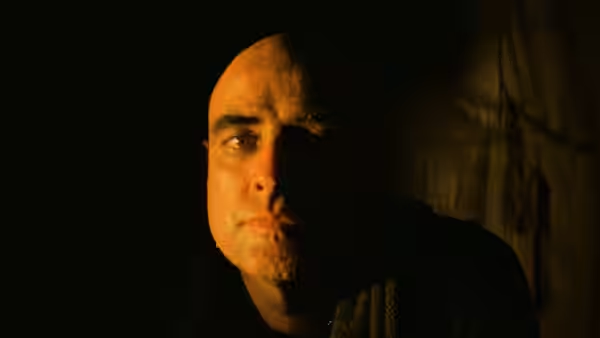
The reservations arrive when John Milius and Coppola’s writing becomes more insistent about what the war means. The debt to Joseph Conrad’s Heart of Darkness is understandable, but the later solemnity sometimes makes a thought feel important simply because we are being made to wait over it. Marlon Brando’s Colonel Walter Kurtz has enough presence to hold our attention through much of this, though presence cannot make every line worth the time it takes. Some of the words could go without costing the performances anything.

Those passages are frustrating because Coppola has already shown how much he can do without spelling things out. Among war films, this is unusually alert to the pleasure an audience takes in watching an operation carried out well, and unusually willing to make that pleasure uncomfortable. The 147 minutes demand attention, including during the passages that strain for depth. Give it an uninterrupted evening, and do not expect the spectacle to make for easy company.
Critical consensus AI synthesised

84
Positive
20
Mixed
0
Negative
1

The reviews are close to unanimous: twenty-one read, one negative, none mixed. The praise gathers around Vittorio Storaro’s photography and the sound design, which most critics credit with making the river journey something felt rather than followed. The helicopter assault on the village is the sequence named again and again, as proof of Coppola’s command of rhythm and space. Sheen, Brando and Duvall are singled out, though this is treated as the director’s film first.

The reservations cluster at the end. Several critics, particularly those writing in 1979, find the final half-hour around Kurtz loses conviction after two hours of black comedy and horror; The Guardian, reviewing from the festival, goes furthest and calls the second half overtaken by literary pretension. A few note the narrow, American view of Vietnam. Critics also disagree about which cut to watch: the theatrical version is preferred for its tension, though Redux and the Final Cut each have defenders for the sound.

Little White Lies
22 May 2011 · 5/5/5 · Matt Bochenski
100

The critic hails Apocalypse Now as a gilt-edged masterpiece and one of the defining films of 1970s Hollywood, touched by genius in its portrayal of war's horror and madness. He singles out Coppola's absolute mastery of the frame and the precise layering of images in unforgettable dramatic moments like the Air Cavalry assault.

Read the full review →
The Times
9 August 2019 · ★★★★★ · Ed Potton
100

Coppola’s latest cut of his Vietnam opus remains a masterpiece with improved visuals and sound that capture the hallucinatory horror, even if some added scenes feel inessential.

Read the full review →
Time Out
24 May 2011 · ★★★★★ · Tom Huddleston
100

The critic lauds the lean original cut reissue as slick and streamlined, highlighting its pure sensation of light, noise and moral ambiguity in depicting war's horror and thrill.

Read the full review →
RogerEbert.com
28 November 1999 · Roger Ebert
95*

The critic calls the film one of the greatest of the century and a masterpiece for its river journey into darkness and unforgettable sequences like the helicopter attack on a village. He singles out the haunting ending, Brando's performance as Kurtz, and how the film reveals truths about war and the human soul.

Read the full review →
Evening Standard
10 April 2012
90*

The piece calls Apocalypse Now one of the best films about war ever made, noting its grand, metaphysical ambition drawn from Conrad and its visceral power despite flaws in the ending and some historical accuracy.

Read the full review →
Film Comment
· Kent Jones
90*

The piece praises Coppola's command of rhythm and space, highlighting the helicopter attack sequence in Apocalypse Now as unparalleled. It frames the film as part of Coppola's exploration of power, security, and emotional depth.

Read the full review →

Straight answers AI written, from our review

Is Apocalypse Now worth watching?
Apocalypse Now is worth watching, even for people who usually avoid war films, and we scored it 92. Francis Ford Coppola makes the fighting disturb the judgement as well as the nerves, helped by Martin Sheen's contained lead and Robert Duvall's alarming Kilgore. The later stretches labour over thoughts the combat has already made clear, so give it an uninterrupted evening.
How long is Apocalypse Now, and what is it rated?
Apocalypse Now runs 2h 27m and is rated R by the MPA in the US. It is a drama and war film.
Where can I watch Apocalypse Now in the US?
Apocalypse Now is streaming on Amazon Prime Video in the US, and it is also available to rent from Amazon Prime Video from $3.99. Availability is checked daily; the links above go straight to each service.
How violent or frightening is Apocalypse Now, and is it suitable for children?
Apocalypse Now is rated 18 in the UK and R in the US, and it is not suitable for children. The violence is frightening rather than exciting, and the Air Cavalry assault horrified us partly because Vittorio Storaro's photography makes it so orderly to watch. The music and sound keep the tension up even when the pace slows, so the squeamish should think twice.
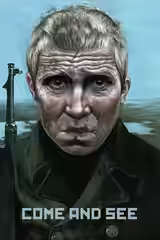
How does Apocalypse Now compare to Come and See?
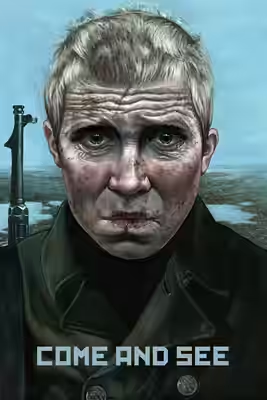
Apocalypse Now and Come and See are both war films we strongly recommend, but they frighten in different ways. Coppola shows the war through the men who run it, and makes the appeal of military power dangerous to watch; Elem Klimov shows it through a boy's terror, with scarcely a moment to recover. Klimov's film is the more relentless, Coppola's the more strange and reflective.
Is Apocalypse Now based on a true story or a book?
Apocalypse Now is based on a novel, Joseph Conrad's Heart of Darkness, rather than on a true story, though it moves the material to the Vietnam War. Coppola and John Milius draw on Conrad for the journey towards Colonel Kurtz and the film's ideas about obedience and losing control. You do not need to know the book, and in our view the later scenes are where the debt to it weighs heaviest.
What should I watch after Apocalypse Now?
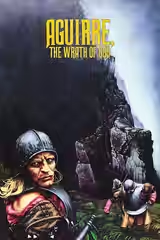
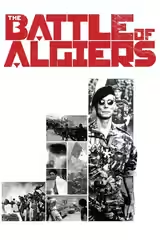
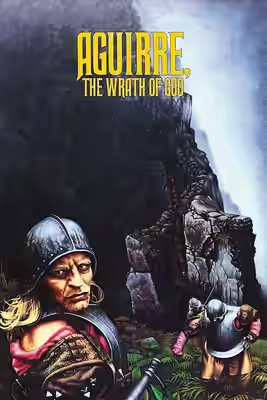
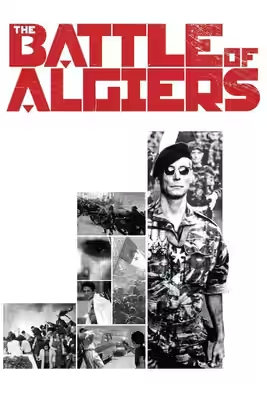
After Apocalypse Now, try Come and See (1985, Fi1m 92): A child’s view of war, with scarcely a moment to recover. Then Aguirre, the Wrath of God (1972, Fi1m 91): For another journey in which a commander’s certainty becomes everyone’s problem; and The Battle of Algiers (1966, Fi1m 93): For military power examined through street fighting, with less room for mysticism.

Cast

Awards

Academy Awards, 1980

Nominated
Best Director
Nominated
Best Film Editing
Nominated
Best Picture
Nominated
Best Production Design
Nominated
Best Supporting Actor
Nominated
Best Writing, Adapted Screenplay
Won
Best Cinematography
Won
Best Sound

Cannes Film Festival, 1979

Won
Palme d'Or

If you liked this, try…

  1. Come and See (1985, Fi1m 92)A child’s view of war, with scarcely a moment to recover.

  2. Aguirre, the Wrath of God (1972, Fi1m 91)For another journey in which a commander’s certainty becomes everyone’s problem.

  3. The Battle of Algiers (1966, Fi1m 93)For military power examined through street fighting, with less room for mysticism.

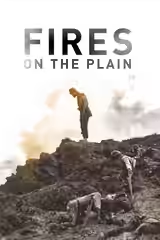
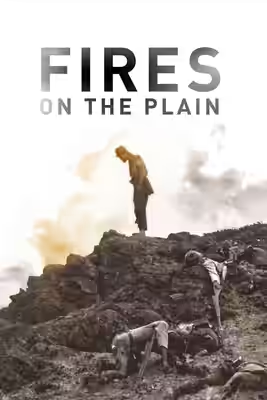
  4. Fires on the Plain (1959) · not reviewed yetHunger and exhaustion strip soldiering of its promises, without offering much relief.

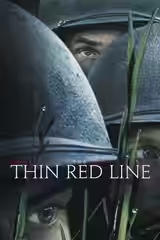
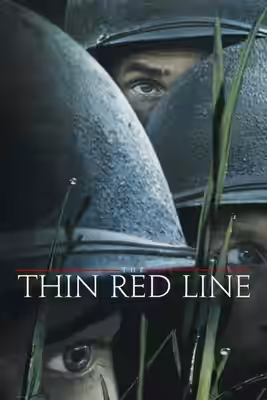
  5. The Thin Red Line (1998, Fi1m 84)For soldiers thinking through terror, and landscapes that offer them no comfort.

Free account

Know what to watch tonight

Two lists that know where things are streaming, collections you can share, your own score beside ours, and Discover that remembers what you have seen.

  • Want to see, sorted by what is streaming now
  • Seen, with your score out of ten
  • No adverts, ever