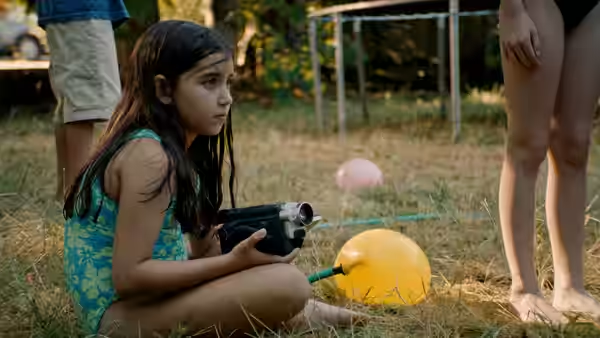
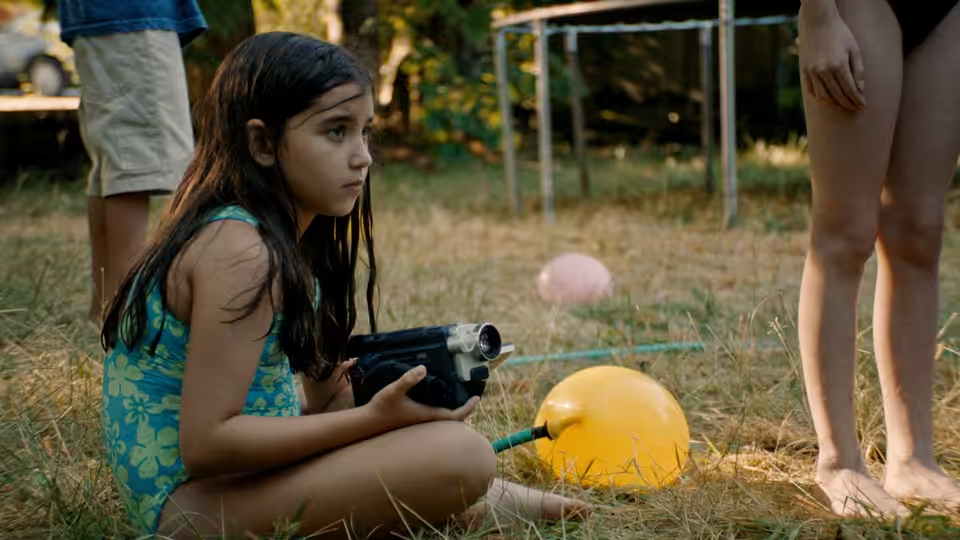
A young girl in a swimsuit holding a video camera on grass
Film review

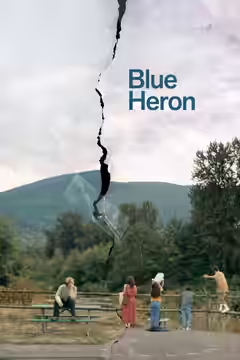
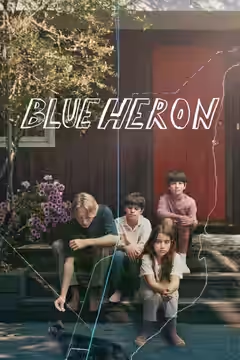
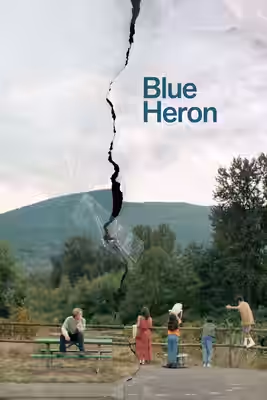
Blue Heron

2026 · Directed by Sophy Romvari · 1h 31m · MPA PG-13

In a sentenceA house full of half-open doors and a brother nobody knows how to talk about

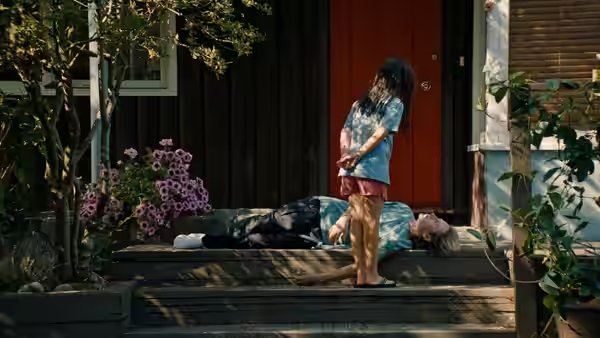
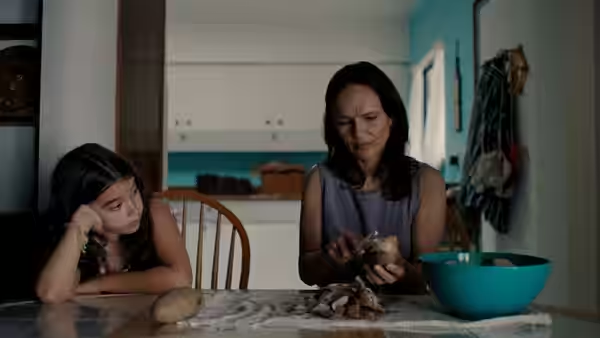
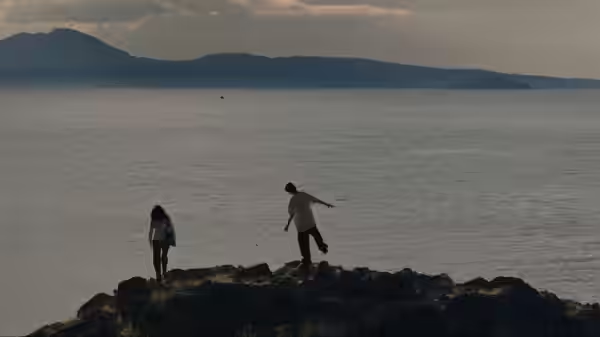
Sasha (Eylul Guven) is the youngest child in a family living in 1990s Canada. Her older brother Jeremy (Edik Beddoes) is in trouble, and her mother (Iringó Réti) and father (Ádám Tompa) spend their days managing him: the outbursts, the silences, the calls from school, a psychologist (Matthew Rankin) who is consulted and does not seem to help. Sasha wants to be near her brother and to understand what is happening to him, and the adults keep the answers behind closed doors. The first act is the house itself: the bedrooms, the stairs she listens from, the kitchen where the arguments happen, the water nearby and the blue heron of the title.

Plays from YouTube when you press play; nothing loads from them until then.

Fi1m review

Sophy Romvari’s first film rebuilds her 1990s childhood room by room and watches a family fail to help an older son. It is careful, quiet and often painful to sit through. The present-day strand is thinner than the past it is trying to reach.

Sasha (Eylul Guven) is the youngest child in a family in 1990s Canada, and for most of the first hour the film is only what she can see and hear from where she happens to be standing. Her older brother Jeremy (Edik Beddoes) is in trouble in a way nobody names for a long time. Her mother (Iringó Réti) and father (Ádám Tompa) are trying to keep a house running around him. Sophy Romvari, who wrote and directed, has drawn on her own childhood for this, and she has made a first film that keeps its voice down. Nothing is explained to Sasha, so very little is explained to us.

It is very good and we recommend it, with one reservation we will come to. The reservation is about structure, not about the family, because the family is as well observed as any we have seen on screen in a long while. Romvari does not build to a scene where someone says what is wrong with Jeremy. She shows a boy who cannot settle, parents who take it in turns to be patient and to run out of patience, and a small girl who has learned to read the temperature of a room before she walks into it.

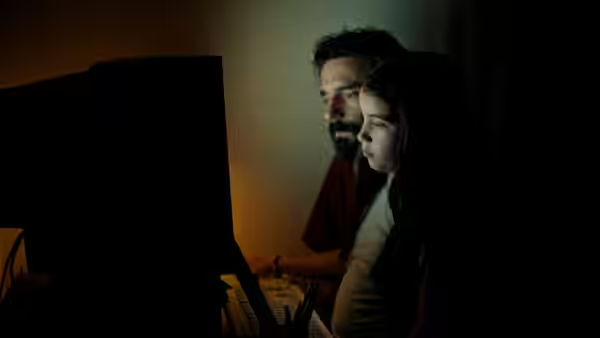
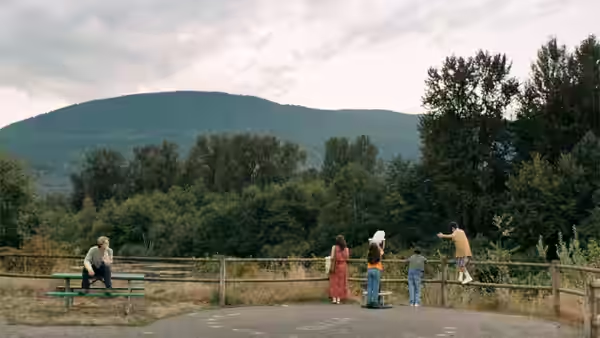
Maya Bankovic shoots from a child’s height and keeps the camera where a child would be allowed: on the stairs, in a doorway, on the far side of a room while the adults talk. Victoria Furuya fills the house with the clutter of the decade and never once asks us to admire it. Kurt Walker cuts slowly and keeps returning to the same corridor, the same table, the same view of the water, so that after half an hour we know the house as well as Sasha does. The sound does a great deal of the work. Arguments arrive through walls, a television plays in another room, and the loudest thing in the film is usually a door.

It got to us. There is a stretch in the middle where Jeremy is simply not in the frame for a long time, and nobody tells Sasha where he is, and Guven keeps glancing at the door as if she can will him back through it. We were more upset than the film ever asked us to be, and that is the method. Romvari does not raise the volume. She lets us fill in what the child cannot, and we did, and it hurt.

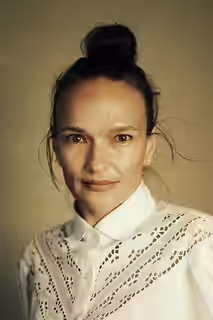
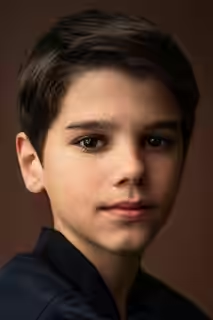
Guven is remarkable in the way the best child performers are, which is to say she does not seem to know she is in a film. Beddoes plays Jeremy from the outside: we never get into his head, and the film is honest enough to admit that neither did anyone around him. Réti gives the mother a tiredness that has gone past complaint, and Tompa’s father is a man who keeps trying to be reasonable in a house where reason has stopped working. Nobody here is a villain, which makes it worse.

Our reservation is with where the film goes after the first hour, and we will say as little about it as we can. Romvari changes the shape of the picture, and the idea behind the change is a good one. But the early passages have such a hold that what follows feels slight beside them, and there is a stretch where we were watching a film about remembering rather than a family. Some critics have found the later section the best thing in the picture, and we can see why, even if we found the road there a little thin.

As a first film it is unusually sure of what it is doing, and it does not borrow its manner from anyone. The closest comparison is not to other debuts but to the sort of patient, observational filmmaking that trusts a fixed frame and a long take to carry meaning. At 91 minutes it never outstays itself.

Watch it in one sitting, with no phone. It is a film about not being told things, and it works best if you let it keep its secrets for as long as it wants to.
Critical consensus AI synthesised

84
Positive
18
Mixed
0
Negative
0
The AV Club
13 April 2026 · A- · Jacob Oller
90

The critic calls it a stunning debut that processes family history through delicate time-travel between 1990s childhood and the present, using detailed realism, nostalgia, and meta filmmaking to find closure.

Read the full review →
The Guardian
25 June 2026
90*

The critic praises this intimate, unshowy debut as a very fine, sombre and sophisticated portrait of childhood trauma and family dysfunction in 1990s Canada. They single out its metatextual structure, quietism and the way it confides its pain to the viewer rather than amplifying it.

Read the full review →
The New Yorker
12 April 2026
90*

Romvari’s first feature is among the most inward and cannily moving of recent movies, using a memory-film approach with bold form to capture inner life. It explores the troubles of a beloved brother and the effort to reckon with his pain and the family’s through keen observation and imagination.

Read the full review →
The New York Times
16 April 2026 · Critic's Pick · Alissa Wilkinson
90*

Romvari’s superb debut blends memory, documentary and fiction to delicately probe a family wound from her own history. The story follows young Sasha and her family’s struggles with her older brother Jeremy before jumping to adult Sasha processing it through filmmaking.

Read the full review →
The Observer
24 June 2026 · Wendy Ide
90*

The critic calls this a remarkable, unflinchingly personal and genuinely original debut that arrives fully formed, processing unimaginable personal tragedy with insight and bruising honesty. They single out its inventive mosaic structure, complex sound design and the emotional impact of its final section where past and present collide.

Read the full review →
Variety
10 August 2025 · festival review · Guy Lodge
90*

Romvari’s graceful, singularly heartsore debut has a sharp understanding of how memories form and age, weaving documentary elements into a raw fictionalization of her childhood. It is imaginative, emotionally acute filmmaking that confronts hard truths about grief and untreated mental illness.

Read the full review →

Straight answers AI written, from our review

Is Blue Heron worth watching?
Blue Heron is worth watching for anyone with the patience for a quiet, painful family drama told from a child's height, and we scored it 82. Sophy Romvari's first film observes a family failing to help an older son with great care, and it upset us more than it ever raised its voice. Our reservation is that the later stretch feels slight beside the first hour.
How long is Blue Heron, and what is it rated?
Blue Heron runs 1h 31m and is rated PG-13 by the MPA in the US. It is a drama film.
Where can I watch Blue Heron in the US?
Blue Heron is available to rent from Amazon Prime Video from $5.99. Availability is checked daily; the links above go straight to each service.
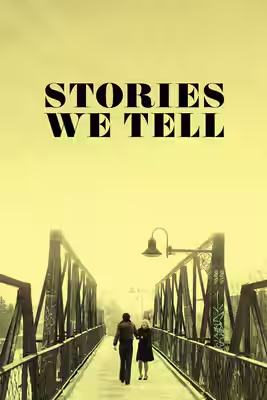
How does Blue Heron compare to Stories We Tell?
Blue Heron and Stories We Tell both turn a filmmaker's camera on her own family, but Romvari rebuilds her 1990s childhood as fiction while Sarah Polley interviews her relatives and finds nobody agrees. Polley's film is warmer and slyer, though it explains its cleverness longer than it needs to; Romvari's is quieter and more painful, and its first hour is the stronger of the two. Choose Polley for company, Romvari for silence.
What should I watch after Blue Heron?
After Blue Heron, try Aftersun (2022, Fi1m 85): A daughter reassembles a holiday with her father from camcorder tapes and guesswork. Then Stories We Tell (2012, Fi1m 77): Sarah Polley turns the camera on her own family and finds nobody agrees; and Petite Maman (2021, Fi1m 88): A child meets her mother as a girl; short, gentle and quietly devastating.

Cast

If you liked this, try…

  1. Aftersun (2022, Fi1m 85)A daughter reassembles a holiday with her father from camcorder tapes and guesswork.

  2. Stories We Tell (2012, Fi1m 77)Sarah Polley turns the camera on her own family and finds nobody agrees.

  3. Petite Maman (2021, Fi1m 88)A child meets her mother as a girl; short, gentle and quietly devastating.

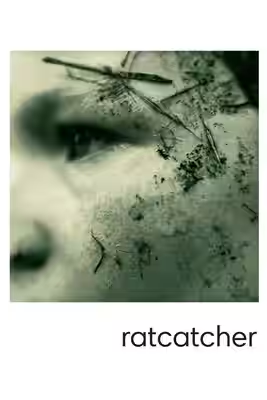
  4. Ratcatcher (1999, Fi1m 88)Lynne Ramsay’s Glasgow childhood, seen from bin-bag height with no comfort offered.

  5. Yi Yi (2000, Fi1m 92)Three generations of one Taipei family, watched patiently over a long, ordinary year.

Free account

Know what to watch tonight

Two lists that know where things are streaming, collections you can share, your own score beside ours, and Discover that remembers what you have seen.

  • Want to see, sorted by what is streaming now
  • Seen, with your score out of ten
  • No adverts, ever