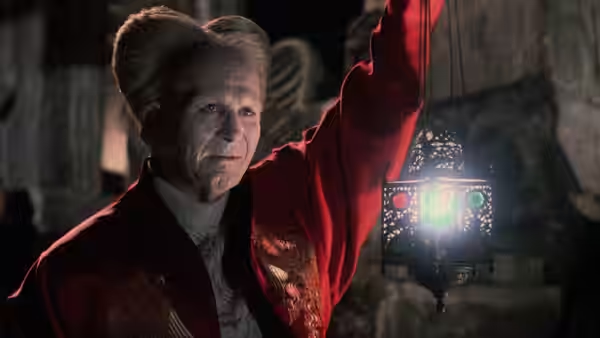
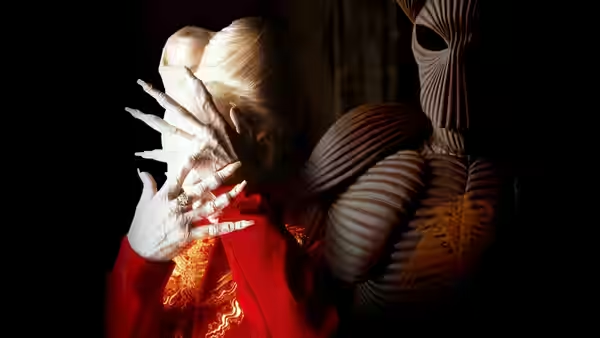
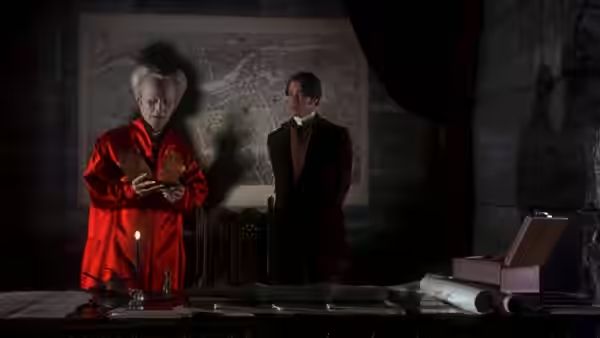
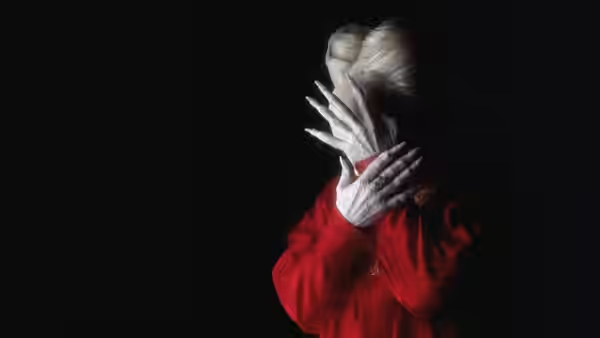
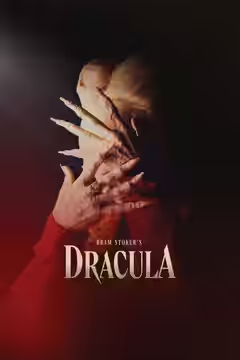
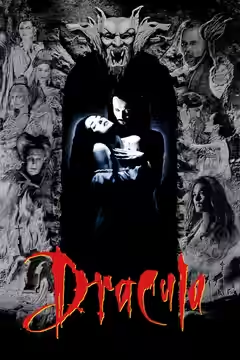
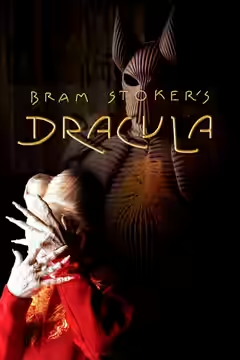
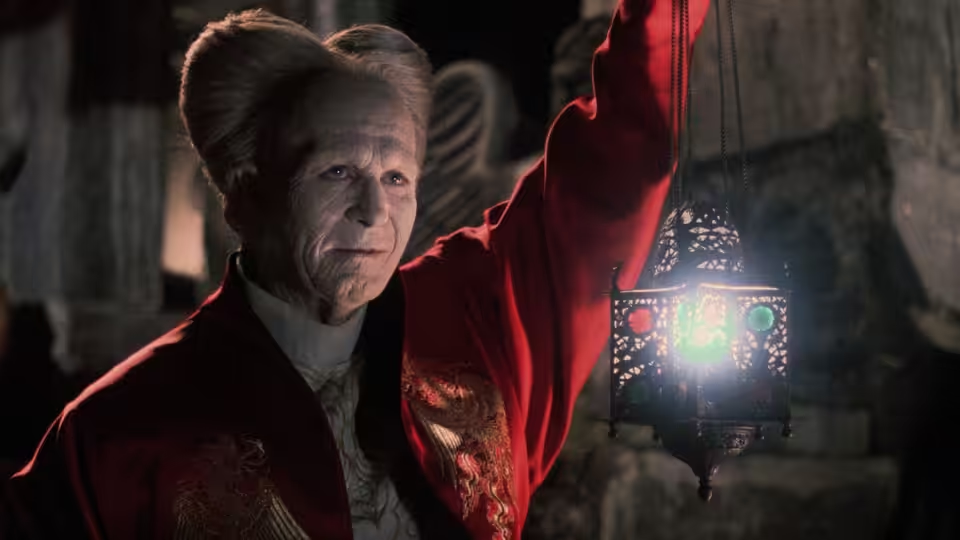
An older man in a red robe holds up a glowing lantern in darkness
Film review

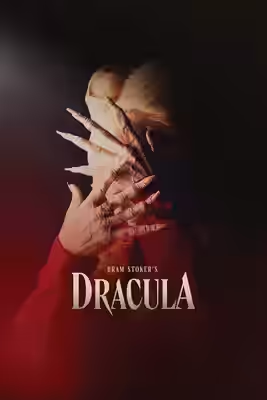
Bram Stoker's Dracula

1992 · Directed by Francis Ford Coppola · 2h 08m · MPA R

In a sentenceGary Oldman makes a persuasive case for overdressing, even when you are already dead

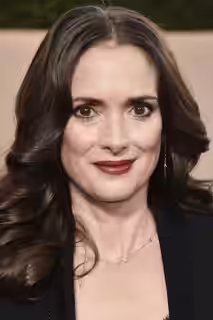
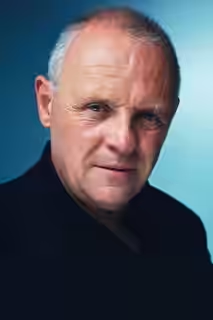
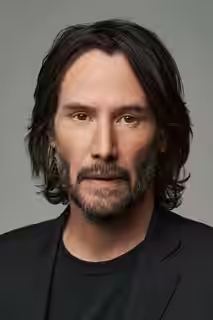
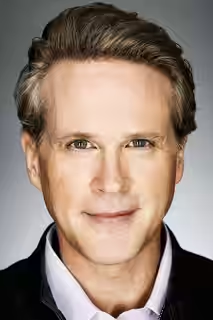
Francis Ford Coppola adapts Bram Stoker’s novel as a Gothic romance in which the undead Count is a figure of desire as well as fear. Gary Oldman plays Dracula, with Winona Ryder as Mina Murray and Elisabeta, and Keanu Reeves as Jonathan Harker. Sadie Frost plays Lucy Westenra, while Anthony Hopkins appears as Professor Abraham Van Helsing and Tom Waits as R.M. Renfield. Richard E. Grant plays Dr Jack Seward, Cary Elwes plays Lord Arthur Holmwood and Billy Campbell plays Quincey P. Morris.

Plays from YouTube when you press play; nothing loads from them until then.

Fi1m review

Francis Ford Coppola’s Bram Stoker’s Dracula is a richly enjoyable Gothic romance, though the acting is uneven and the pace sometimes drags. Gary Oldman’s conviction keeps the elaborate costumes and effects from taking over entirely.

Bram Stoker’s Dracula wants fear, desire and a good deal of admiration for the costumes, and Francis Ford Coppola gets most of what he wants. We recommend its extravagance, with a warning that the actors do not always seem to belong in the same film. The romance is taken seriously, however much the spectacle invites laughter. Coppola gives the familiar undead legend the emotional pitch of an opera and expects us to accept the volume from the start.

Gary Oldman makes that demand reasonable. As Dracula, he sustains the grand gestures by giving the yearning beneath them enough weight; we can believe that this creature takes his own unhappiness seriously. There is humour in the extent of the performance, but little sense that the actor is asking us to congratulate him on the joke. James V. Hart’s screenplay needs the attraction to carry as much weight as the threat, and Oldman does more than anyone to make that possible.

In Michael Ballhaus’s images, a costume can hold our attention as firmly as the person wearing it. Thomas E. Sanders’s production design supplies an extravagant setting, while Eiko Ishioka’s costumes make the people look capable of inhabiting it. We were delighted by the clothes, and by the film’s willingness to let us stare at them. Their extravagance makes the romantic gestures seem less ridiculous than they would in a more restrained setting.

Editors Anne Goursaud, Glen Scantlebury and Nicholas C. Smith give the montages a headlong energy, keeping even the busiest passages absorbing. The practical effects work because their strangeness matches the costumes and sets. Wojciech Kilar’s music supports the romantic feeling without sounding embarrassed by it, which is the right choice for this material. Together, the editing and score give the spectacle a momentum that the dialogue sometimes interrupts.

Keanu Reeves, playing Jonathan Harker, is the clearest mismatch. His line readings sound laboured, particularly beside Oldman’s ease with such exaggerated material. Winona Ryder, as Mina Murray and Elisabeta, fits the romantic mood more comfortably, though her performance cannot always match the emotional force of Oldman’s. Hart’s screenplay asks for wholehearted belief in these feelings, and too often we are left noticing how hard the actors are working to communicate them.

The pace also slips, and at 128 minutes the film has passages in which another flourish cannot make up for the lack of urgency. A Gothic horror film needs to leave us uneasy, and Coppola sometimes lets the beauty become reassuring. That is a limitation, though we would not trade all the theatricality for a more consistent supply of shocks. As a vampire romance, it remains absorbing because Oldman makes the Count’s longing worth attending to.

Give it an evening when restraint would be a disappointment. The costumes and effects merit a screen large enough to inspect them, but the real requirement is patience with actors who cannot all sustain Coppola’s chosen pitch. We recommend it to anyone whose pleasure in Gothic romance includes its occasional absurdity. Those looking chiefly for sustained terror should choose something less interested in the clothes.
Critical consensus AI synthesised

65
Positive
4
Mixed
1
Negative
1

Most critics respond warmly to Coppola’s extravagant approach, with praise clustering around the sets, costumes and effects that give the film its dreamlike atmosphere. Gary Oldman’s count is another recurring strength, particularly in reviews that welcome the emphasis on romance and sensuality. The favourable accounts find pleasure in the film’s excess, treating its operatic style and camp as reasons to enjoy it rather than faults to overlook.

The spread is wide, however, and the central disagreement concerns whether all that visual invention produces effective horror. Polygon finds a successful balance of fear and romance, while The Independent argues that beauty replaces terror and leaves little to shudder at. Empire is the strongest dissenter, finding the film dull and empty despite admiring Tom Waits as Renfield. Collider remains favourable but notes uneven pacing, predictability and dated elements alongside the pleasures of the spectacle.

The New York Times
13 November 1992 · Vincent Canby
85*

Coppola delivers a dizzying, extravagant vision of the story that transcends camp to become a celebration of filmmaking itself. The critic highlights the gorgeous sets and costumes, hallucinogenic special effects, and mad montages that give the film its wild, dreamlike energy.

Read the full review →
Radio Times
★★★★ · Alan Jones
80

The film is an eerie, romantic and operatic revamp of the undead legend and a supreme artistic achievement. Coppola's grandiose visual approach uses every cinematic trick to accentuate the poetic sensuality of the novel, with Gary Oldman's towering performance as the count holding centre stage.

Read the full review →
The Independent
29 January 1993
55*

The film is a failure as Gothic horror because it transforms terror entirely into beauty, leaving no shudder. Its lavish design and visual spectacle are singled out as ravishing yet ultimately empty.

Read the full review →
Empire
1 January 2000 · Tom Hibbert
20*

Coppola's film is a calamity that is terribly dull despite its potential, with all style and no content. Tom Waits as Renfield is noted as marvellous amid the mishmash of effects and accents.

Read the full review →
Polygon
23 October 2025 · Claire Lewis
85*

The critic considers Coppola's film the best Dracula adaptation for balancing fear and romance while staying true to the novel's spirit. They single out Gary Oldman's performance and the decadent, striking visuals for particular praise.

Read the full review →
Collider
14 November 2022 · B- · Samantha Coley
70

The critic views the film as a high-camp spectacle that remains enjoyable decades later despite not intending to be so campy. They single out the striking visual style, practical effects, and gothic romance for praise while noting issues with pacing, predictability, and dated elements.

Read the full review →

Straight answers AI written, from our review

Is Bram Stoker's Dracula worth watching?
Bram Stoker's Dracula is worth watching for anyone who enjoys Gothic romance with its occasional absurdity, and we scored it 79. Gary Oldman's Count makes the yearning beneath the grand gestures believable, and the costumes and sets reward a large screen. The acting is uneven and the pace slips, so patience is required.
How long is Bram Stoker's Dracula, and what is it rated?
Bram Stoker's Dracula runs 2h 08m and is rated R by the MPA in the US. It is a romance and horror film.
Where can I watch Bram Stoker's Dracula in the US?
Bram Stoker's Dracula is available to rent from Amazon Prime Video from $3.99. Availability is checked daily; the links above go straight to each service.
How violent or frightening is Bram Stoker's Dracula, and is it suitable for children?
Bram Stoker's Dracula carries an 18 certificate in the UK and an R in the US, and it is not suitable for children. It is a vampire film with horror and adult desire at its centre, though we found the beauty often reassuring rather than frightening. Those wanting sustained terror should look elsewhere; the squeamish should still stay away.
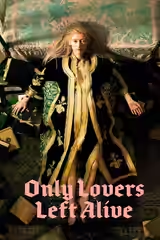
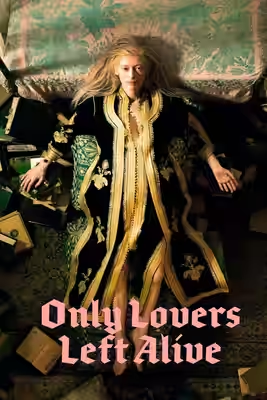
How does Bram Stoker's Dracula compare to Only Lovers Left Alive?
Bram Stoker's Dracula is loud, operatic and dressed to be stared at, while Only Lovers Left Alive is quiet, patient and funny about staying together over centuries. Coppola's film is the more extravagant and the less consistent, its actors not always in the same register. Jarmusch's is the better company for a slow evening; Coppola's for one when restraint would disappoint.
Is Bram Stoker's Dracula based on a true story or a book?
Bram Stoker's Dracula is based on Bram Stoker's novel, not on a true story. Francis Ford Coppola and screenwriter James V. Hart treat the familiar legend as a Gothic romance in which the Count is a figure of desire as well as fear. Knowing the book is not required; the film expects us to accept its emotional pitch from the start.

Cast

Awards

BAFTA Film Awards, 1994

Nominated
Best Makeup and Hair
Nominated
Best Special Visual Effects

Academy Awards, 1993

Nominated
Best Production Design
Won
Best Costume Design
Won
Best Makeup and Hairstyling
Won
Best Sound Editing

Hugo Awards, 1993

Nominated
Best Dramatic Presentation

MTV Movie Award for Best Kiss, 1993

Nominated
MTV Movie Award for Best Kiss

Saturn Awards, 1993

Won
Best Director

Saturn Awards, 1992

Won
Best Costume

If you liked this, try…

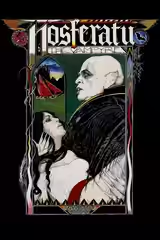
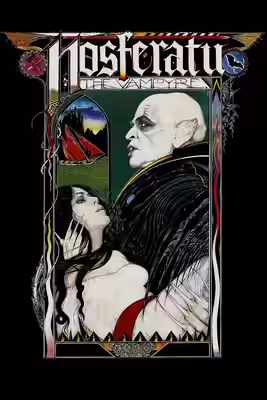
  1. Nosferatu the Vampyre (1979) · not reviewed yetFor a quieter, more desolate vampire romance, with dread allowed to linger.

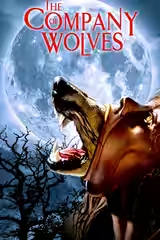
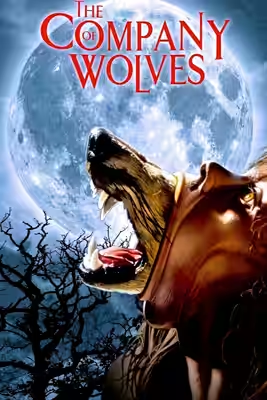
  2. The Company of Wolves (1984) · not reviewed yetFor Gothic desire made strange through costumes, creatures and storybook menace.

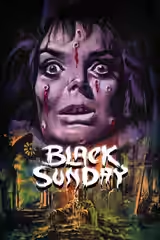
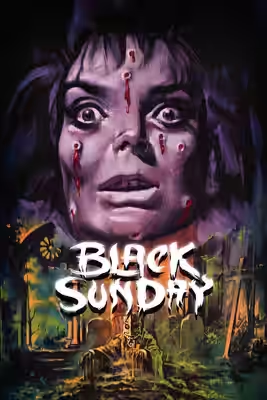
  3. Black Sunday (1960) · not reviewed yetFor Gothic horror whose faces and shadows deserve your full attention.

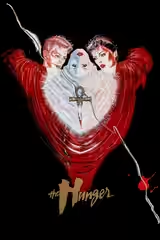
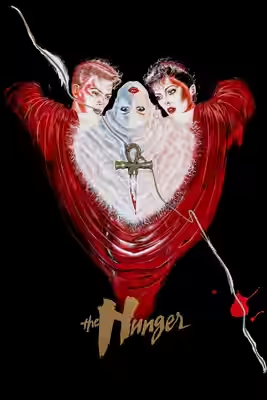
  4. The Hunger (1983) · not reviewed yetFor another vampire film that takes desire and its wardrobe seriously.

  5. Only Lovers Left Alive (2013, Fi1m 81)For vampires given time to be funny, weary and good company.

Free account

Know what to watch tonight

Two lists that know where things are streaming, collections you can share, your own score beside ours, and Discover that remembers what you have seen.

  • Want to see, sorted by what is streaming now
  • Seen, with your score out of ten
  • No adverts, ever