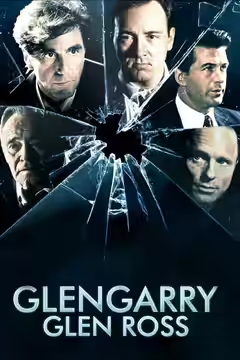
James Foley’s Glengarry Glen Ross is a gripping, bitterly funny drama of men frightened for their livelihoods. The plot can feel contrived; Jack Lemmon and the ensemble make the desperation painfully convincing.
Glengarry Glen Ross is a gripping film about the strain of having to persuade people for a living, and we recommend it despite a few conspicuous turns of the plot. James Foley directs David Mamet’s screenplay with enough confidence to let these men talk themselves into trouble. Their office and bar conversations are full of aggression, self-justification and attempts to secure a little sympathy. The pleasure is in hearing skilled speakers lose control of what they reveal, while the person opposite looks for something to use.
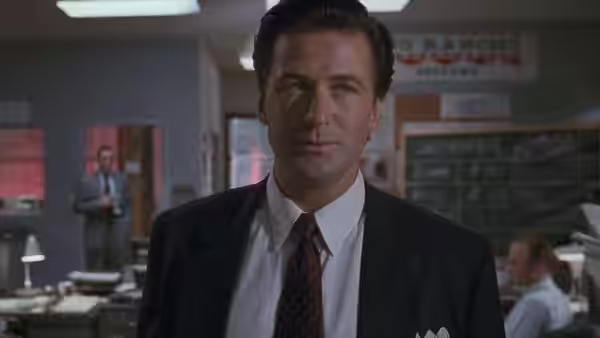
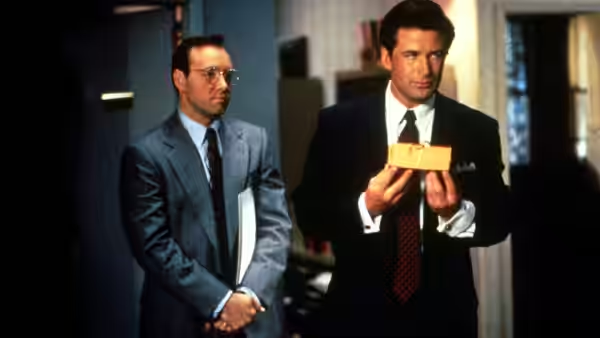
Alec Baldwin’s Blake supplies the bluntest expression of the film’s cruelty. Baldwin makes contempt sound practised, as though humiliating other men were an ordinary item of business. Ed Harris gives Dave Moss an anger that keeps seeking an audience, and Alan Arkin’s George Aaronow makes a quieter, less certain presence beside him. These performances differ enough to keep the dialogue from becoming a continuous demonstration of how forcefully an actor can deliver an insult.
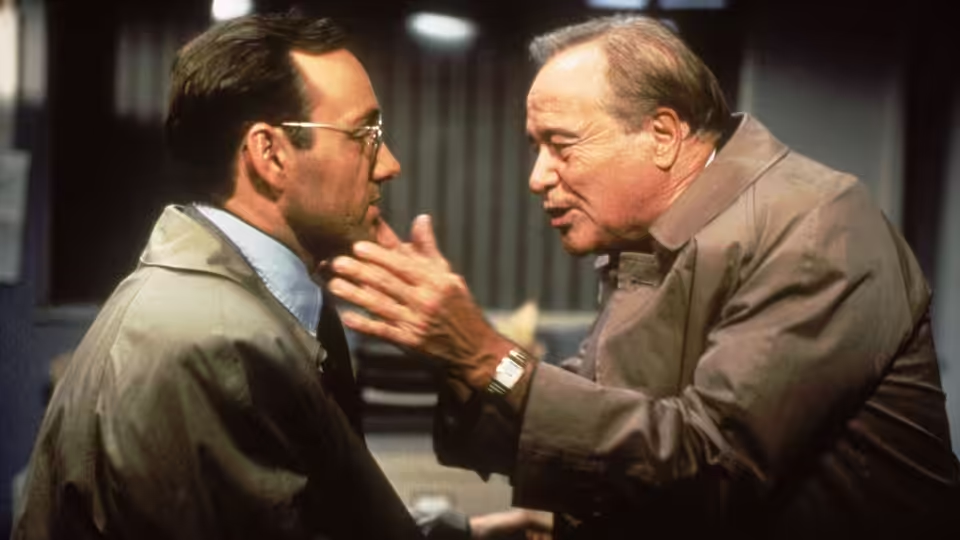
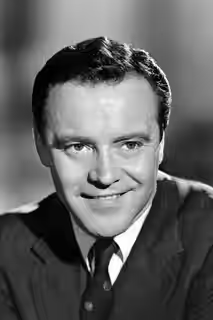
Jack Lemmon is the reason the nastiness hurts. His Shelley Levene cannot keep desperation out of his talk, however much he needs to command attention. We winced at his efforts to sound persuasive, because Lemmon makes preserving a little pride look like hard work. Al Pacino’s Ricky Roma provides a welcome change of pace, with a command of the talk that makes listening to him pleasurable and faintly worrying.
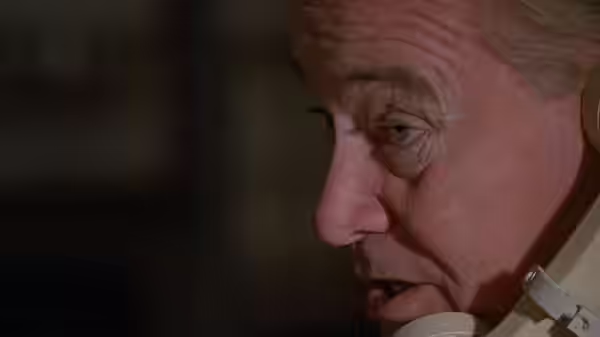
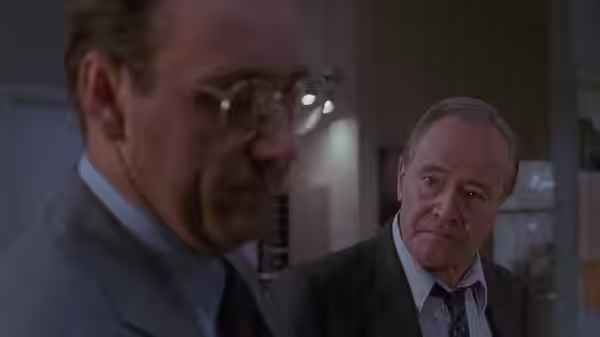
Juan Ruiz Anchía’s cinematography and Foley’s use of close-ups justify bringing all this talk to the screen. Being near a face matters when we are trying to judge how much confidence a man has left. Jane Musky’s office and bar settings give the encounters an appropriately grubby home, with little visual relief from the people occupying them. The spaces feel confined without making the performances hard to read, and that is useful work in a film so dependent on small differences between speakers.
Howard E. Smith’s editing gives the monologues enough room to register as attempts to influence somebody, rather than isolated speeches. We stay conscious of the listener, even when one actor has most of the words. Mamet’s dialogue has a forceful rhythm, but the evasions matter as much as the insults; they make the speakers sound as though they are struggling for control. James Newton Howard’s score leaves less of an impression than those voices, which is appropriate when speech is already doing so much.
The stage origins remain visible in the succession of substantial speeches, and some viewers will find the constant verbal pressure exhausting. We occasionally became conscious of an actor waiting for his turn, though the sharply different performances usually prevent that feeling from lasting. The more substantial weakness is Mamet’s plotting, which presses too hard to arrange a resolution. Without describing where it goes, the film is more convincing when men try to outtalk one another than when it starts putting everything in order.
As a workplace drama, it takes unusual care over the indignity of needing other people to believe in your competence. Foley gives the actors space to make these men recognisable without making them agreeable. At 100 minutes, the confinement is bearable, though the company is demanding. Choose it for an evening when listening closely sounds like pleasure; it is not something to leave talking in the background.