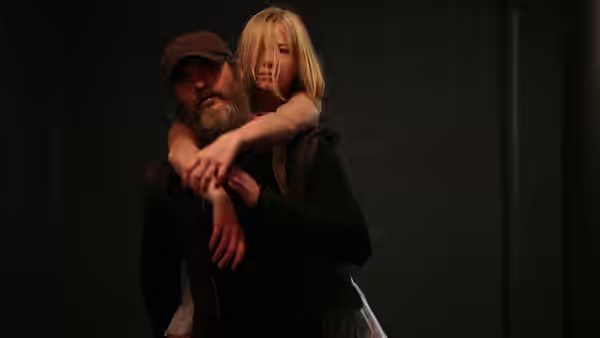
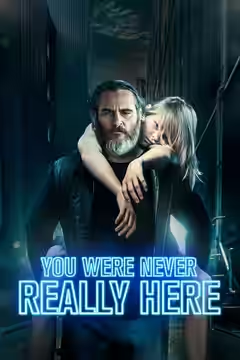
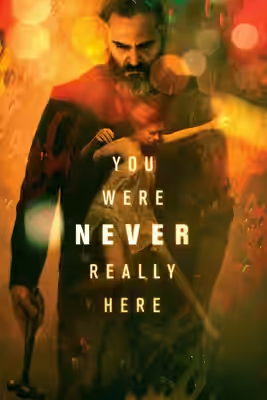
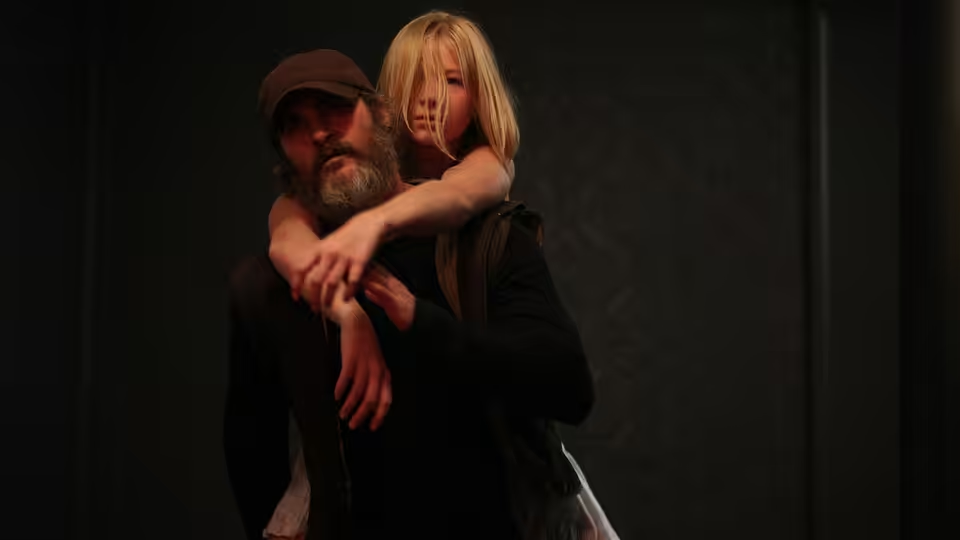
Joe (Joaquin Phoenix) carrying Nina (Ekaterina Samsonov) on his back indoors
Film review

You Were Never Really Here

2017 · Directed by Lynne Ramsay · 1h 29m · MPA R

In a sentenceJoaquin Phoenix spends a rescue thriller looking as though someone ought to rescue him

Joe (Joaquin Phoenix) is a traumatised veteran working as a hired enforcer. He is hired to rescue a teenage girl from a child-prostitution ring. Nina Votto (Ekaterina Samsonov) is the girl he must reach; Joe’s Mother (Judith Roberts) is part of the life he has outside his work. He sets about the rescue while memories of his past keep interrupting the present. The job calls for violence from a man already struggling with its effects, and getting to Nina means entering the criminal operation holding her.

Plays from YouTube when you press play; nothing loads from them until then.

Fi1m review

Lynne Ramsay’s rescue thriller is tense, upsetting and worth the discomfort, largely because Joaquin Phoenix makes its hired enforcer so painfully vulnerable. The story can be needlessly obscure, but the violence never feels like an invitation to applaud.

Lynne Ramsay is interested in what it costs a man to keep doing violence for a living. The job in You Were Never Really Here involves rescuing a girl from criminals, but she gives the enforcer’s disturbed state most of the attention. It is a tense, compassionate film worth seeing, provided a tidy plot is not essential to the evening. At 89 minutes, it leaves little room for the practical explanations that usually make this sort of assignment easy to follow.

Joaquin Phoenix gives Joe a heaviness that makes the usual efficient hired killer seem faintly ridiculous. His physical presence is formidable, but the performance is full of difficulty: this man seems to have to work at remaining in the present. His limited speech helps, because we watch for changes that a more talkative thriller would have explained. There is nothing reassuring about his strength, and the effort of carrying on makes his distress hard to dismiss.

Joe Bini’s editing lets brief flashbacks intrude without arranging them into a neat account of how Joe became this way. The abrupt cuts make the past feel difficult to shut out, and the missing links keep our attention on his condition. We were horrified by how much of the violence we had to imagine: attacks kept out of sight left us waiting for harm without the reassurance of watching a fight play out. There is no comfortable rhythm of confrontation followed by a chance to recover.

Thomas Townend’s cinematography uses intensified colour and awkward viewpoints to prevent us settling into the business of watching a dangerous man at work. Even a moment without visible violence can feel threatening because our view never seems quite sufficient. Tim Grimes’s production design is seen through that same restricted attention: the surroundings register in fragments, with the man occupying them taking priority. The effect is claustrophobic, though the places themselves are less memorable than the disturbance of moving through them.

Jonny Greenwood’s score adds to the agitation, with the sparse dialogue leaving plenty of room for it. Alongside the intrusive sound, the music makes pauses in the action feel unsettled rather than restful. It can become too insistent when the images are already telling us that Joe is suffering. For the most part, though, the sound sustains the tension without depending on another act of violence to get our attention.

The weakness is the amount left vague around him. Ekaterina Samsonov’s Nina Votto belongs to a rescue story that gets less attention than Joe’s distress, and the supporting characters struggle for definition. Some flashbacks also underline damage that Joaquin Phoenix has already made clear, repeating an explanation we scarcely need. The sparse storytelling often works, but there are stretches where another plain piece of information about the job would help more than another glimpse of his suffering.

The vigilante thriller usually offers some pleasure in watching a capable man take charge. Here, Joe’s ability to do the work offers little comfort, and the compassion towards him gives us a reason to stay through the brutality. Its grimness did not exhaust our interest, because the performance keeps making his struggle matter. See it when you can give it your full attention, and leave something undemanding to do afterwards.

Critical consensus AI synthesised

79
Positive
24
Mixed
3
Negative
2

Most critics respond strongly to Lynne Ramsay’s brutal, stripped-back thriller, with praise centred on Joaquin Phoenix’s performance as a traumatised hitman. The reviews repeatedly credit his physical presence and inward distress with giving the violence an emotional weight, while Ramsay’s fragmented storytelling keeps attention on his damaged inner life rather than the mechanics of his assignment. Sound design, expressive cinematography and Jonny Greenwood’s score also draw praise for making that distress immediate and unsettling.

The spread is wide despite the firmly positive majority, and the chief disagreement concerns whether the film’s omissions deepen its portrait or keep its characters too distant. Film Comment finds that the elliptical storytelling makes the film feel more concerned with its own structure than with people; Slant Magazine finds the flourishes ponderous and the effect fleeting. Even some favourable reviews acknowledge vagueness, familiar plotting or a lack of emotional pull beneath the assured craft.

Little White Lies
7 March 2018 · 4/5/5 · Hannah Strong
100

Ramsay delivers a brutal masterclass in sensory overload that is unequivocally worth the wait. The critic singles out the lean, visceral character study of Phoenix's traumatised hitman and the amplified colour and sound design.

Read the full review →
The Telegraph
27 May 2017 · ★★★★★
100

Lynne Ramsay’s feel-bad vigilante thriller drop-kicks the viewer into a cosmos of pain and depravity with only faint flickers of light. It is a sustained masterclass in implying violence without lingering, anchored by Joaquin Phoenix’s gruellingly subtle performance and insidious sound design.

Read the full review →
The Times
9 March 2018 · ★★★★★ · Kevin Maher
100

Lynne Ramsay’s story of a tortured paedophile catcher uses familiar revenge-movie ideas as building blocks towards something far more disturbing: existential terror. It is original and utterly thrilling, driven by a central performance as bruised and bloody as sirloin.

Read the full review →
Sight and Sound
12 March 2018 · Kate Stables
90*

The critic praises Ramsay's lean, intense avenger noir as a stunning reimagining of genre, with its impressionistic style and cryptic flashbacks. Phoenix's performance as the haunted protagonist is singled out as brilliantly brutal and empathetic.

Read the full review →
The AV Club
6 April 2018 · A- · A.A. Dowd
90

Phoenix delivers a fearsome, physically transformed performance as a damaged veteran enforcer in this fragmentary, ferociously beautiful film. Ramsay twists the source material into a spooky haiku of carnage with electrifying unconventional vantages on the mayhem and a haunting distortion of noir themes.

Read the full review →
The Guardian
11 March 2018
90*

Lynne Ramsay’s elliptical portrait of a traumatised hitman is a head-spinningly accomplished work that reconfirms her as one of the most thrillingly distinctive film-makers. The focus on the protagonist’s fractured psyche, granular cinematography and immersive sound design create an overwhelming experience of pure cinema.

Read the full review →

Straight answers AI written, from our review

Is You Were Never Really Here worth watching?
You Were Never Really Here is worth watching for anyone who can take a grim, tense thriller that cares more about its damaged enforcer than about the job he is doing, and we scored it 83. Joaquin Phoenix makes Joe's distress hard to dismiss, and the violence is never staged for applause. The plot is left needlessly vague in places, so it suits viewers who do not need a tidy story.
How long is You Were Never Really Here, and what is it rated?
You Were Never Really Here runs 1h 29m and is rated R by the MPA in the US. It is a crime and drama film.
Where can I watch You Were Never Really Here in the US?
You Were Never Really Here is streaming on Amazon Prime Video in the US, and it is also available to rent from Amazon Prime Video from $5.99. Availability is checked daily; the links above go straight to each service.
How violent or frightening is You Were Never Really Here, and is it suitable for children?
You Were Never Really Here is a 15 in the UK and R in the US, and it is not suitable for children. The subject is a child-prostitution ring, the hero is a violent enforcer, and much of the brutality happens just out of sight, which we found more upsetting than watching a fight play out. Adults who dislike sustained dread or violence against the vulnerable should think twice.
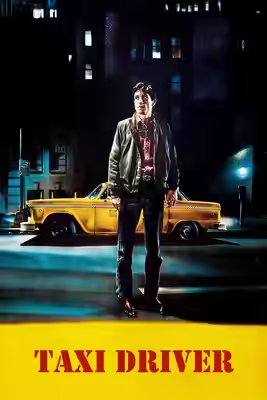
How does You Were Never Really Here compare to Taxi Driver?
You Were Never Really Here and Taxi Driver both follow a disturbed man whose violence offers no relief, and Scorsese's film is the fuller achievement. Ramsay's is shorter, sparer and more compassionate towards its lead, with less explanation and a story that is sometimes too obscure. Both films give so much attention to the central man that everyone around him struggles for definition.
Is You Were Never Really Here based on a true story or a book?
You Were Never Really Here is based on a novel by Jonathan Ames, not on a true story. Our review does not measure how closely Lynne Ramsay follows the book, and knowing it is not needed to follow the film. The story is deliberately sparse, so readers hoping the source will fill the gaps should not expect the film to do so.
What should I watch after You Were Never Really Here?
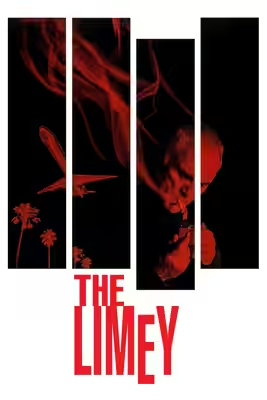
After You Were Never Really Here, try Taxi Driver (1976, Fi1m 92): Another disturbed man’s violence, with the city offering little prospect of relief. Then The Limey (1999, Fi1m 80): A father’s grief emerges through fractured editing and an unusually vulnerable performance; and Morvern Callar (2002, Fi1m 82): Another troubled life understood through faces, music and the things left unsaid.

Cast

If you liked this, try…

  1. Taxi Driver (1976, Fi1m 92)Another disturbed man’s violence, with the city offering little prospect of relief.

  2. The Limey (1999, Fi1m 80)A father’s grief emerges through fractured editing and an unusually vulnerable performance.

  3. Morvern Callar (2002, Fi1m 82)Another troubled life understood through faces, music and the things left unsaid.

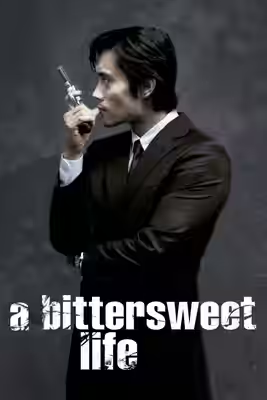
  4. A Bittersweet Life (2005) · not reviewed yetA hired enforcer discovers how little protection professional competence offers against feeling.

  5. The Headless Woman (2008) · not reviewed yetDisorientation becomes quietly frightening through sound, omissions and a woman we cannot read.

Free account

Know what to watch tonight

Two lists that know where things are streaming, collections you can share, your own score beside ours, and Discover that remembers what you have seen.

  • Want to see, sorted by what is streaming now
  • Seen, with your score out of ten
  • No adverts, ever