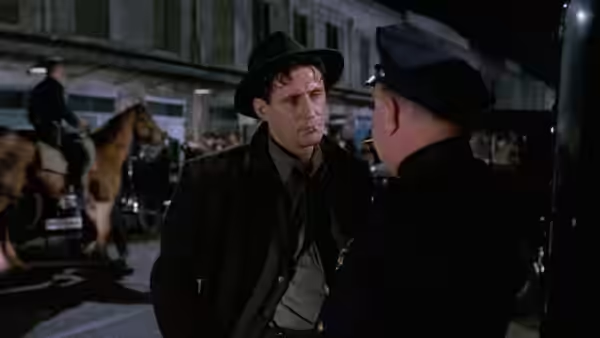
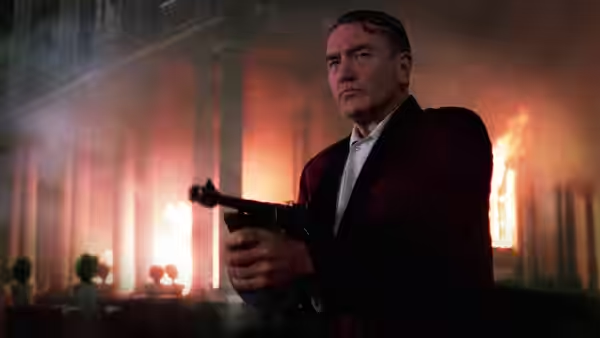
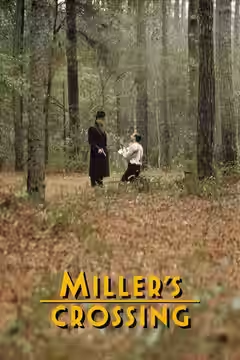
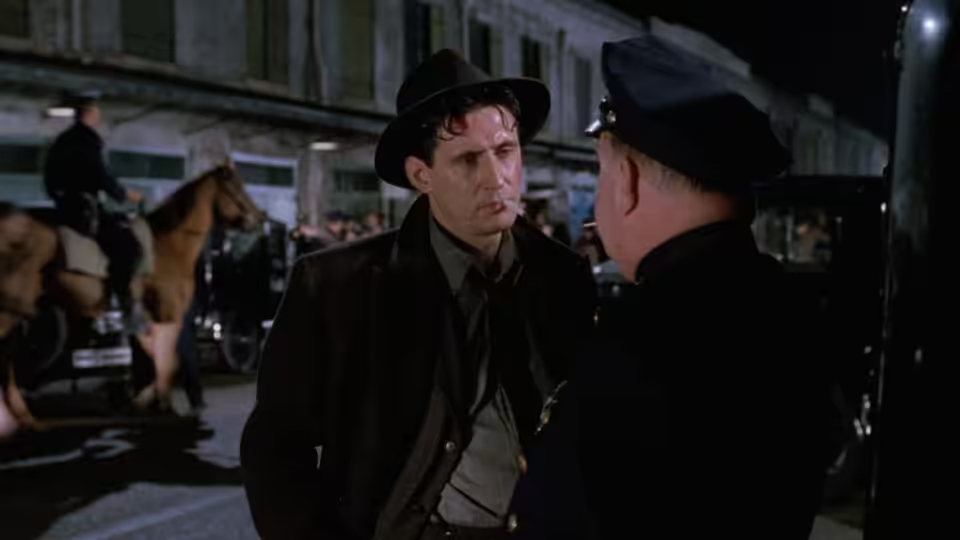
Tom Reagan (Gabriel Byrne) speaking with a police officer on a city street at night
Film review

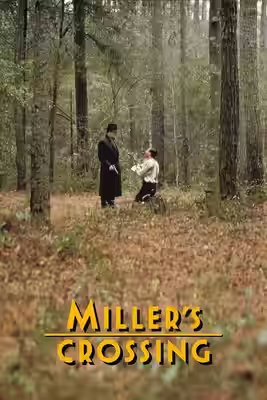
Miller's Crossing

1990 · Directed by Joel Coen · 1h 55m · MPA R

In a sentenceEveryone talks as though getting the last word might stop a bullet

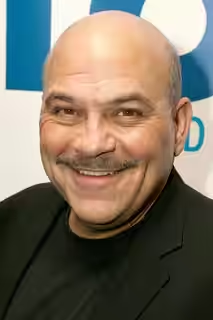
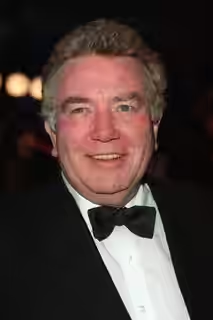
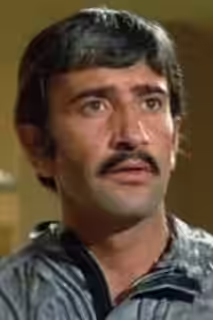
During Prohibition, Tom Reagan (Gabriel Byrne) moves among gangsters whose dealings put friendship and personal loyalties under pressure. Leo (Albert Finney) and Johnny Caspar (Jon Polito) belong to the same criminal world, alongside Verna (Marcia Gay Harden), Bernie Bernbaum (John Turturro) and Eddie Dane (J.E. Freeman). Their disputes turn on questions of character and ethics, as well as the business of crime. A complicated network of relationships surrounds Tom, with each conversation offering another reason to consider whom he can trust.

Plays from YouTube when you press play; nothing loads from them until then.

Fi1m review

Miller’s Crossing is a richly acted gangster film with sharp dialogue and carefully controlled images. Its complicated plotting occasionally keeps us at a distance, but the pleasure of watching Finney and Polito is considerable.

Joel Coen, directing a screenplay written with Ethan Coen, takes Prohibition-era crime seriously enough to make room for jokes about the people who conduct it. We recommend Miller’s Crossing, with a warning that its complicated plotting can leave the people feeling distant. The talk is sharp, the acting has room to be peculiar, and the images have been composed with care. The Coens want us to enjoy the conventions of a gangster film while noticing how peculiar its codes of behaviour can be.

Albert Finney, as Leo, gives the film a human scale that survives all the cleverness around him. His performance has the weight to make friendship seem worth preserving, even when the writing is busy testing its limits. We laughed at Jon Polito’s Johnny Caspar, because his seriousness makes the gangster manners look faintly ridiculous. Polito gets the joke across without standing outside the film to point it out. Both actors make the dialogue sound like something they have a personal interest in saying.

Barry Sonnenfeld’s cinematography gives the film warm colour and firmly outlined compositions, so the stylisation is apparent without becoming difficult to read. The graceful camera movement stops those compositions from feeling like illustrations held up for inspection. Production designer Dennis Gassner gives the criminal world the carefully arranged appearance that suits this approach. It works because the actors remain interesting enough to keep us from spending the scene inspecting their surroundings.

Michael R. Miller’s editing gives the complicated plotting a welcome degree of clarity. The exchanges have room for the actors’ odd emphases, which helps when the language is this elaborate. Carter Burwell’s music strengthens the mournful mood, allowing some feeling into a film that can otherwise seem preoccupied with finding the next well-turned line. We appreciate that contribution without wishing the music would do more; too much encouragement to sympathise would sit awkwardly beside this dialogue.

The reservation centres on Gabriel Byrne’s Tom Reagan. Byrne’s guarded performance suits a story about uncertain loyalties, but it can leave us waiting for a stronger reason to care about his choices. Marcia Gay Harden’s Verna and John Turturro’s Bernie Bernbaum belong to an ensemble whose distinctiveness makes that distance more noticeable. We can enjoy the company around Tom without finding him quite as compelling as the film needs him to be.

As a gangster film, it is unusually interested in what friendship requires from people whose work makes trust difficult. The Coens’ dialogue gives that question plenty of comic life, and they respect the genre enough to take its concerns seriously. The elaborate language can be enjoyed for its rhythm even when a particular exchange sends us back through the plot in our heads. We would have liked a little less ingenuity, but we would miss these voices in a plainer version.

The caveat is straightforward: this is not a thriller to put on when conversation is likely to compete with it. At 115 minutes, it asks for attention without always making that attention effortless. Give it a quiet evening if elaborate plotting and actors enjoying difficult dialogue are pleasures in themselves.

Critical consensus AI synthesised

75
Positive
6
Mixed
1
Negative
1

Most critics respond warmly to Miller’s Crossing, with praise clustering around its controlled direction, carefully composed images and inventive gangster dialogue. The performances are another point of agreement: Albert Finney draws repeated praise, while Jon Polito’s comic work also stands out. The favourable reviews find that the intricate plotting gives weight to questions of friendship, character and ethics, rather than merely providing an opportunity to revisit crime-film conventions.

The spread is wide, however, and the central disagreement concerns how much substance lies beneath the style. RogerEbert.com admires the craft and acting but finds the storytelling short of momentum, while the Los Angeles Times finds the film chilly despite its visual and verbal pleasures. The New York Times offers the strongest dissent, treating the references to older gangster films as an exercise with little point or connection to life beyond the genre.

Radio Times
★★★★★ · Alan Jones
100

This is a sublime Prohibition-era gangster saga and a magnificent display of compelling acting, spellbinding storytelling and fine film-making in a dark-hued, richly operatic mood piece.

Read the full review →
Time Out
10 September 2012 · GA
90*

The critic views the film as working both as a crime thriller and an ironic commentary on the genre, with sharp dialogue and complex plotting that pays tribute to 1930s crime literature and films while exploring themes of friendship, character and ethics.

Read the full review →
Empire
1 January 2000 · Scott Russon
80*

The film is the nearest thing the Coen brothers have produced to a classic literary tale, with a story of Shakespearean stature focused on themes of friendship, character and ethics. It stands out for its warm visuals, graphic novel framing and graceful camerawork.

Read the full review →
Variety
31 December 1989
80*

The review praises the substance, twisted style, and controlled direction by the Coens, highlighting outstanding performances by Albert Finney and others in this Prohibition-era gangster tale.

Read the full review →
RogerEbert.com
5 October 1990 · ★★★/4 · Roger Ebert
75

The critic admires the technical pleasures, strong performances by Albert Finney and Jon Polito, and visual style but finds the film overly self-aware and lacking a compelling narrative drive to pull viewers through its plot machinations.

Read the full review →
Los Angeles Times
5 October 1990 · Sheila Benson
60*

The critic finds the film stylish and elegiac with lush visuals, fine performances especially from Albert Finney, and strong dialogue, but ultimately chilly and light on substance or deeper meaning.

Read the full review →

Straight answers AI written, from our review

Is Miller's Crossing worth watching?
Miller's Crossing is worth watching for anyone who enjoys a gangster film built on elaborate talk and richly peculiar acting, and we scored it 82. Albert Finney and Jon Polito are the chief pleasures, though the complicated plotting and Gabriel Byrne's guarded lead can keep us at a distance. Give it a quiet evening; it does not reward half attention.
How long is Miller's Crossing, and what is it rated?
Miller's Crossing runs 1h 55m and is rated R by the MPA in the US. It is a drama and thriller film.
Where can I watch Miller's Crossing in the US?
Miller's Crossing is available to rent from Amazon Prime Video and Apple TV from $3.99. Availability is checked daily; the links above go straight to each service.
How violent or frightening is Miller's Crossing, and is it suitable for children?
Miller's Crossing carries an 18 certificate in the UK and an R in the US, so it is not for children. It is a Prohibition-era crime film about gangsters whose disputes are settled with violence as much as conversation, and the certificate implies that violence is shown plainly. Its real demands are on patience rather than nerve: dense plotting and long, ornate exchanges.
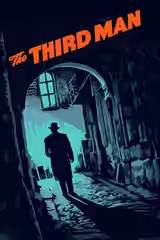
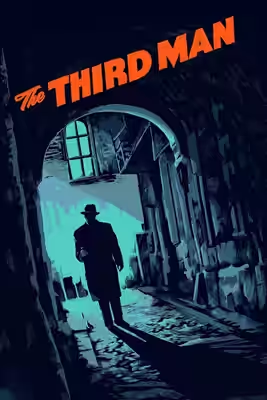
How does Miller's Crossing compare to The Third Man?
Miller's Crossing and The Third Man both watch a friendship tested by crime, with a carefully composed city doing much of the work. Reed's film is the more gripping of the two, and Joseph Cotten's writer is easier to care about than Gabriel Byrne's guarded Tom Reagan. The Coens' film offers sharper, stranger dialogue and a larger, more eccentric ensemble, so it suits viewers who prize talk over tension.
What should I watch after Miller's Crossing?
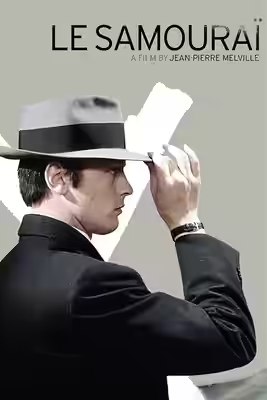
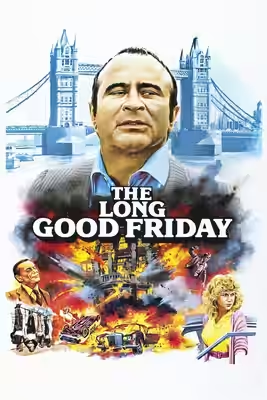
After Miller's Crossing, try The Third Man (1949, Fi1m 92): Another friendship tested by crime, with the city’s appearance doing essential work. Then Le Samouraï (1967, Fi1m 88): For a quieter criminal world, where each small decision carries weight; and The Long Good Friday (1980, Fi1m 88): A criminal boss discovers how little authority survives when loyalties start shifting.

Cast

If you liked this, try…

  1. The Third Man (1949, Fi1m 92)Another friendship tested by crime, with the city’s appearance doing essential work.

  2. Le Samouraï (1967, Fi1m 88)For a quieter criminal world, where each small decision carries weight.

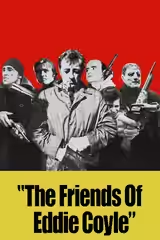
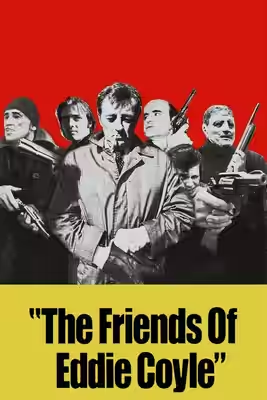
  3. The Friends of Eddie Coyle (1973) · not reviewed yetLess ornate talk, equally precarious loyalties, and criminals who look properly tired.

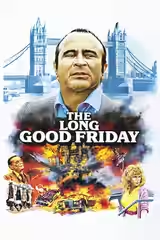
  4. The Long Good Friday (1980, Fi1m 88)A criminal boss discovers how little authority survives when loyalties start shifting.

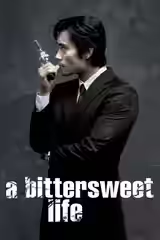
  5. A Bittersweet Life (2005) · not reviewed yetCriminal loyalty becomes painfully personal, with violence that refuses to feel comfortable.

Free account

Know what to watch tonight

Two lists that know where things are streaming, collections you can share, your own score beside ours, and Discover that remembers what you have seen.

  • Want to see, sorted by what is streaming now
  • Seen, with your score out of ten
  • No adverts, ever