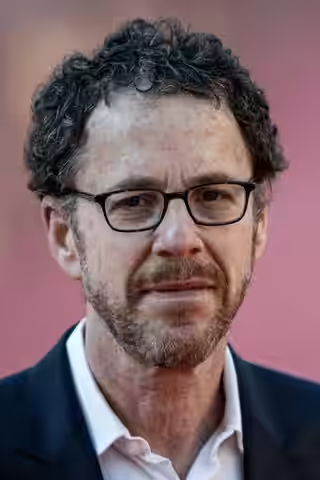
For nearly forty years Ethan Coen and his brother wrote people who chose their words carefully and then waited for the words to land. The writing is among the sharpest in American film; on his own, so far, it is thinner.
Fi1m perspective
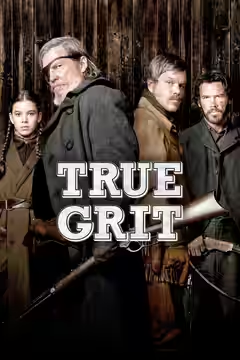
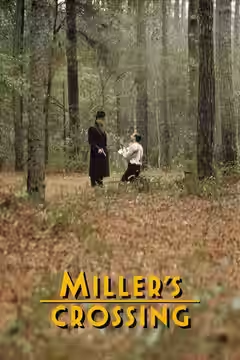
Somebody in a Coen film says something they have plainly rehearsed, and the film waits. A gangster in Miller's Crossing (1990) picks his phrasing; a girl in True Grit (2010) tells grown men what justice requires; a folk singer in Inside Llewyn Davis (2013) sings a whole song while the story stands still. The pause after the line is as much the writing as the line itself, which is why the brothers so often cut their own films, and why the talk in a Coen picture sounds like nobody else's.
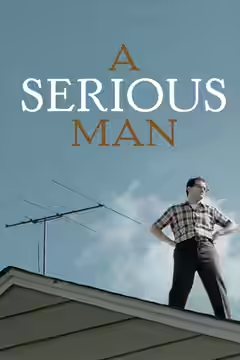
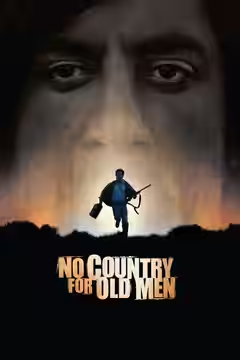
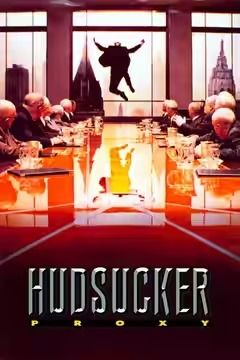
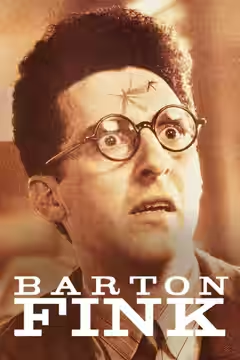
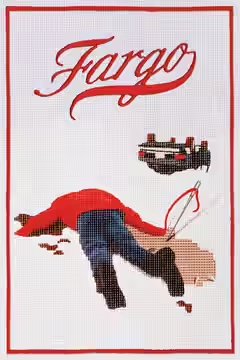
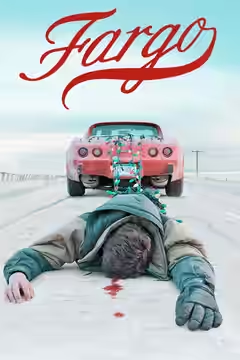
Which brother wrote which line is a question nobody outside their office can answer. From Blood Simple (1984) onwards Joel and Ethan wrote, directed and produced as one, and the credits shuffled the names about while the sensibility stayed put. There is the run of period pastiche in the early 1990s, Miller's Crossing, Barton Fink (1991) and The Hudsucker Proxy (1994), in which the dialogue is polished until you can occasionally hear the effort. Then Fargo (1996), which we would recommend to people who avoid crime films altogether, and The Big Lebowski (1998), in which the mystery is the least of it. Then the stern, patient stretch of No Country for Old Men (2007), A Serious Man (2009) and True Grit, the best sustained run of their careers on our scoring.
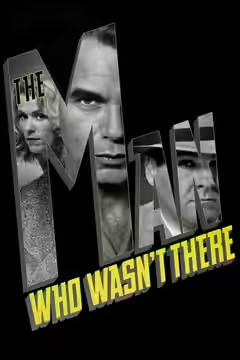
What works is the refusal to hurry. In No Country the writing gives Javier Bardem's Chigurh long silences, and we were frightened of him because of the silence rather than the violence. What does not work is a fondness, never quite shaken, for the eccentric turn. The manner-of-speaking jokes in Fargo, the comic religious counsel in A Serious Man, the broader faces in The Man Who Wasn't There (2001): a character becomes a joke before he has become a person, and the film briefly looks pleased with itself. Roger Deakins's severe framing and Carter Burwell's grave scores have often supplied the weight the jokes threatened to take away.
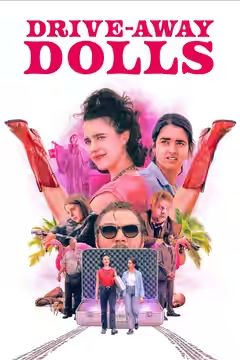
Then, in 2024, an answer of sorts. Drive-Away Dolls, written with Tricia Cooke, who also edits, and directed by Ethan alone, is brisk, bawdy and thin, 84 minutes that feel like it. The goons talk like goons. It has the shape of Raising Arizona (1987) and The Big Lebowski without the trick of making every minor character sound like nobody else, and the reviews so far have called it a pastiche of earlier Coen films, which is roughly our view too. Coen has said of the old grind that "It was just getting a little old and difficult." On the evidence of his first solo film, the difficulty may have been where the good writing came from. A second solo feature followed in 2025; we have not seen it. Start with Fargo or No Country, and treat the solo work as a footnote until it earns more.
Biography
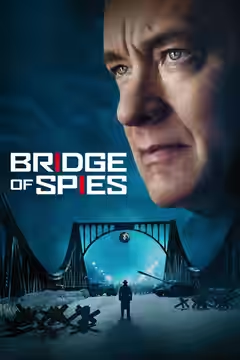
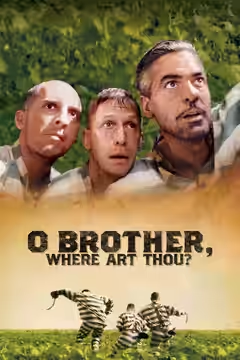
Ethan Coen is an American filmmaker, screenwriter and director. He has worked extensively with his brother Joel Coen on films that they have jointly written, directed and produced. Their credits include Blood Simple (1984), Fargo (1996), The Big Lebowski (1998), O Brother, Where Art Thou? (2000) and No Country for Old Men (2007). The pair have also written screenplays for other directors, including Bridge of Spies (2015) and Unbroken (2014).
Coen began directing solo projects in the 2020s. These include the documentary Jerry Lee Lewis: Trouble in Mind (2022) and the feature Drive-Away Dolls (2024), which he wrote with his wife Tricia Cooke. The brothers have shared editing credits on many of their films under the pseudonym Roderick Jaynes. Coen was born in 1957 in Minnesota and studied at Princeton University.