Joel Coen, writing with his brother Ethan, gives ordinary people formal, carefully chosen sentences and then watches what happens to them. The talk is the reason to watch; the plots beneath it tend to wander, and we have forgiven that more often than not.
Fi1m perspective
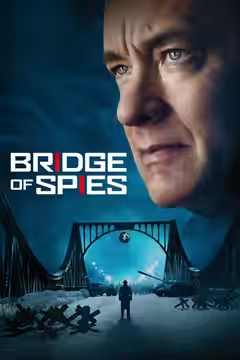
Somebody in a Joel Coen film is always choosing the exact word. Mattie Ross in True Grit (2010) picks her insults as if she were paying by the letter. Mark Rylance's spy in Bridge of Spies (2015) asks "would it help?" each time he is told he ought to be worried. In Hail, Caesar (2016) a director spends a whole scene trying to get a cowboy to say "Would that it were so simple", and we laughed harder than we had in months at nothing more than two men and five words. That is the Coen sentence: formal, slightly too good for the person saying it, and funny because everyone on screen takes it seriously.
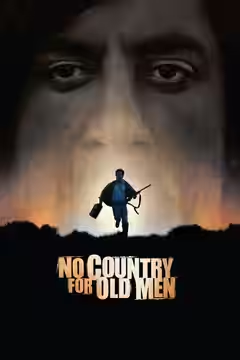
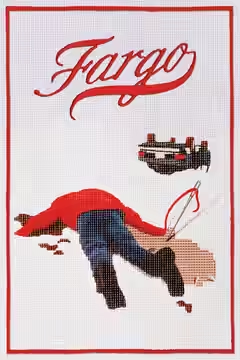
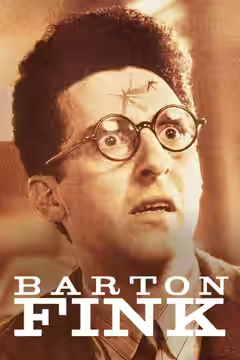
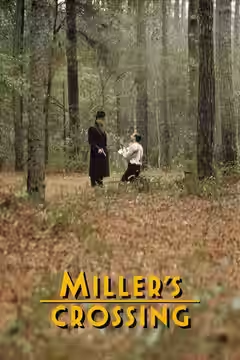
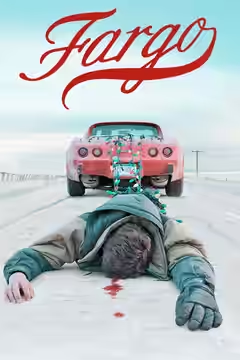
He has almost never written alone. The scripts are the brothers' together, from Blood Simple (1984) onwards, with Joel taking the director credit until the mid-2000s, and they cut their own films too, which is why the writing and the editing are hard to tell apart: a line is given the pause it needs and the next piece of business waits. The early films play a genre with a straight face, the baby-stealing farce Raising Arizona (1987), the gangster picture Miller's Crossing (1990), the Hollywood nightmare Barton Fink (1991). Fargo (1996) is where the method grew up, because the ordinary people were treated as worth the writers' time rather than as fools to be watched. It remains, with No Country for Old Men (2007), the film of theirs we rate highest.
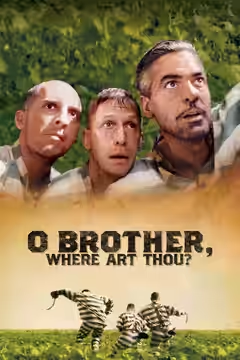
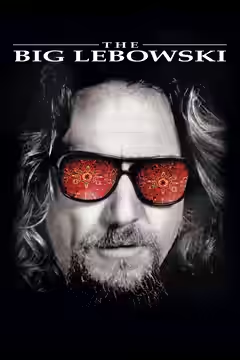
The two novels they adapted are the tightest things they have made. Cormac McCarthy's plot holds No Country for Old Men to a straight line, so the writing can spend itself on how frightening a pause is, and Charles Portis's language carries much of True Grit. Left to invent their own stories the brothers wander. The Big Lebowski (1998), O Brother, Where Art Thou? (2000) and Hail, Caesar are strings of encounters, and in each we reached a point where we were waiting for the next scene rather than the next turn. The other habit is a weakness for the eccentric turn. A manner of speaking becomes the joke before the character has become a person, and in A Serious Man (2009) and Fargo that makes the cruelty easier than it should be.
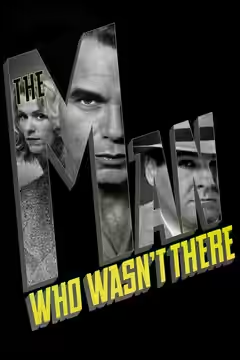
The scripts are written for a company. Frances McDormand and John Goodman have each appeared in seven or eight of them, and it is McDormand who most often supplies the warmth the writing withholds, in Fargo and again beside Billy Bob Thornton in The Man Who Wasn't There (2001). Carter Burwell's scores give the muddles a gravity the characters cannot manage for themselves, and Roger Deakins frames the pictures so that we search them for trouble. Without those three the writing would sound colder than it is.
His first solo credit, The Tragedy of Macbeth (2021), is another adaptation, of a play nobody has accused of wandering. We have not reviewed it. On the record so far, that is the sensible place for him to be: hand this writer someone else's story and he will find the right word for every line of it.
Biography
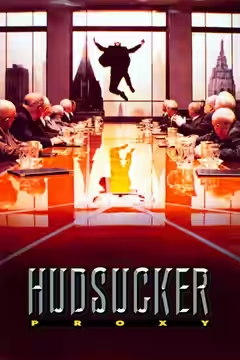
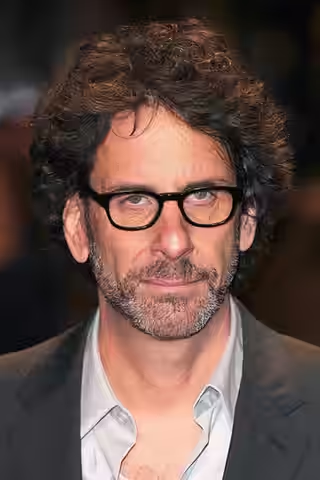
Joel Coen is an American film director, screenwriter, producer and editor. He has worked extensively with his brother Ethan Coen; the pair are known collectively as the Coen brothers. Their joint credits include directing and writing Miller's Crossing (1990), Barton Fink (1991) and The Hudsucker Proxy (1994).
Coen was born on 29 November 1954 in St. Louis Park, Minnesota. He studied at Bard College at Simon's Rock and New York University. The brothers have frequently shared editing duties under the pseudonym Roderick Jaynes. Coen received sole directing credit on their films until The Ladykillers (2004). He made his solo directorial debut with The Tragedy of Macbeth (2021).
Together the Coens have received multiple Academy Award nominations and wins, including for Fargo (1996) and No Country for Old Men (2007). They won the Palme d'Or for Barton Fink at the 1991 Cannes Film Festival. Coen is married to the actor Frances McDormand.