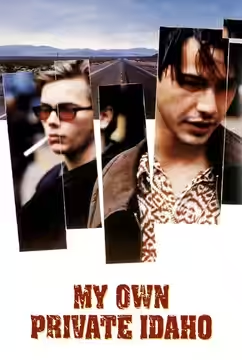
Gus Van Sant’s restless road drama is worth the uneven stretches for River Phoenix, who makes Mike’s loneliness hurt. The Shakespearean passages can feel laboured, but the tenderness survives them.
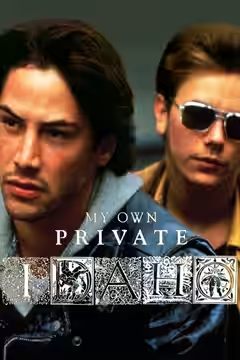
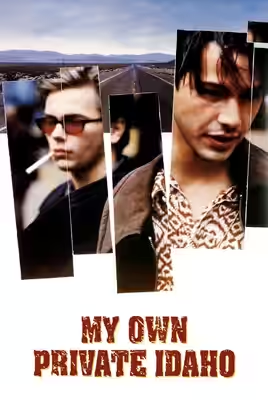
Gus Van Sant’s My Own Private Idaho is a moving, adventurous road drama, with a performance by River Phoenix that makes its awkward stretches worth forgiving. It follows young street hustlers without insisting that they explain themselves or become examples of what happens when a life goes wrong. Van Sant allows loneliness, sexual desire and human comedy to sit alongside one another, then complicates matters with surreal imagery and Shakespearean dialogue. There are passages when we wish he would leave the complications alone and stay with the people.
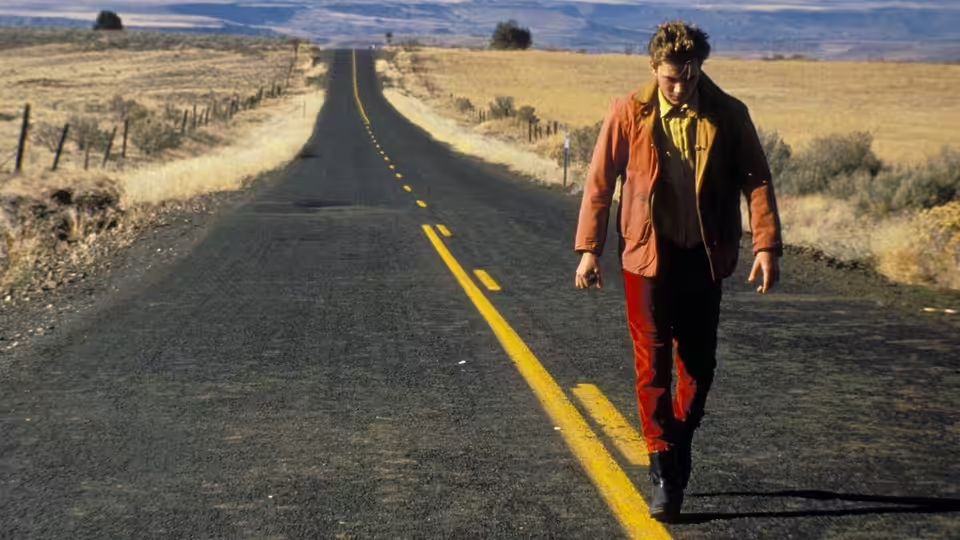
Phoenix plays Mike Waters, whose narcolepsy makes the ordinary business of getting through a day uncertain. He gives Mike a need for affection that can be painful to watch, but never plays him as someone waiting to be rescued by our sympathy. We felt protective of him: Phoenix makes Mike’s longing for love so exposed that even the lighter scenes cannot quite ease our worry. The delicacy matters because a performance with more obvious pleading would have made the character seem much simpler.
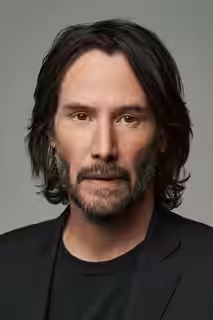
Keanu Reeves, as Scott Favor, is a useful presence beside him, less open and harder to read. The difference between them makes their companionship interesting without requiring a conventional plot to keep it moving. Reeves is less persuasive when Van Sant’s script leans into Shakespeare, where the formal language can sound like a difficult exercise. The theatricality has a purpose, giving these young men more than the usual vocabulary of street drama, but that does not make every line convincing.
John J. Campbell and Eric Alan Edwards’s cinematography gives the wandering a strange, dreamlike beauty, well suited to Mike’s interrupted waking life. Their images help us accept the surreal passages as part of his experience, and make the shifts in mood feel natural. David Brisbin’s production design gives the street scenes a convincing sense of everyday use. The surroundings provide a useful steadiness when Van Sant’s dialogue grows theatrical, keeping some connection to the lives the film is describing.
Curtiss Clayton’s editing has the difficult job of accommodating documentary inserts as well as the dreamier material, and the joins are sometimes conspicuous. We do not mind being made aware of a change in style; we mind when it interrupts an interest in the characters that has taken time to establish. Bill Stafford’s music is gentler company, allowing tenderness without making every scene an occasion for sorrow. The quieter stretches suit Phoenix particularly well, since he needs little assistance to hold our attention.
The film is particularly good on desire between men, allowing it to be awkward without making it shameful. Van Sant’s sympathy is evident, and Phoenix makes Mike’s need for affection feel too particular to serve as a lesson about anybody else’s life. The humour matters: it gives these men something to do beyond enduring hardship, and gives us a reason to enjoy being with them. Choose it for Phoenix, and be prepared to forgive a little declaiming along the way.