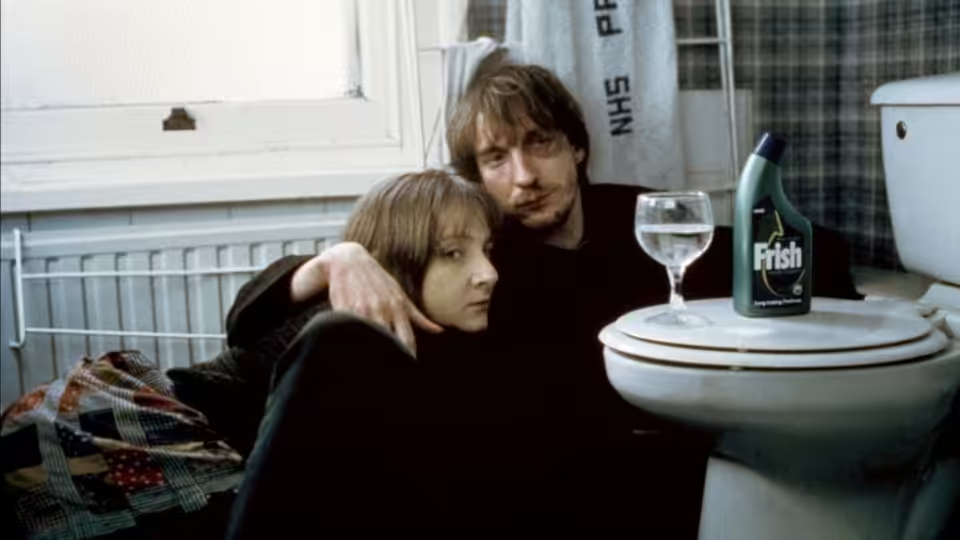
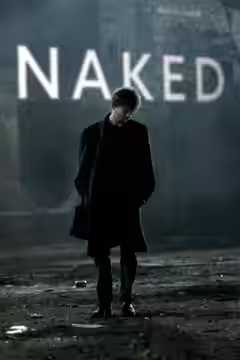
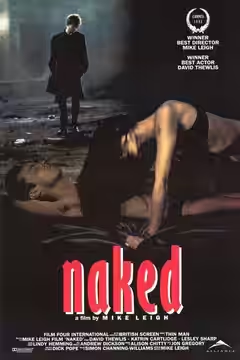
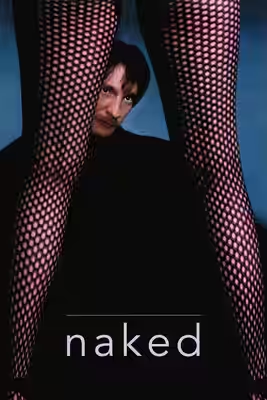
David Thewlis makes Mike Leigh’s bleak comedy frighteningly watchable, even when Johnny’s cruelty is hardest to bear. A few encounters run long, and some supporting figures verge on caricature, but the performance keeps earning our uncomfortable attention.
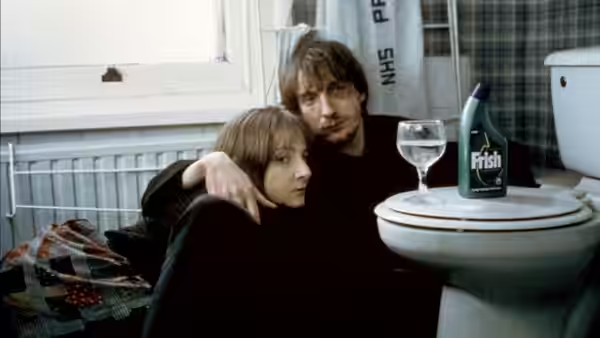
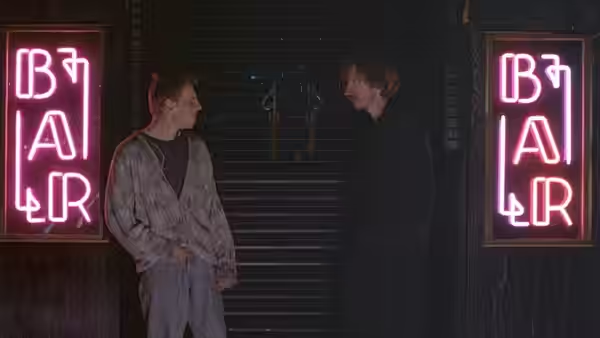
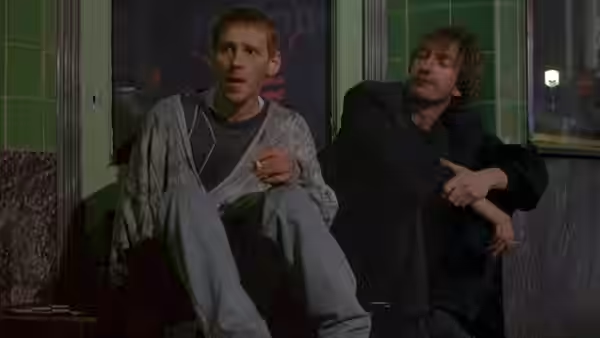
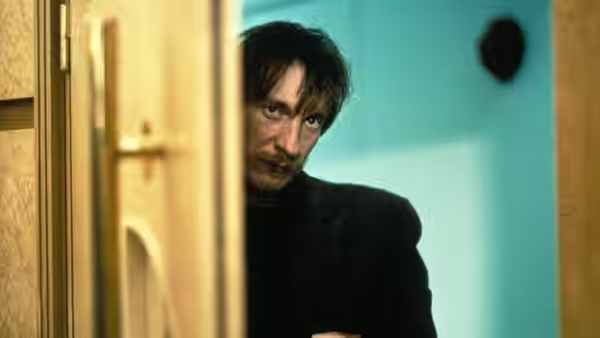
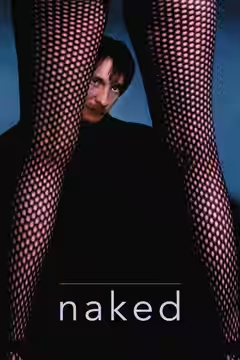
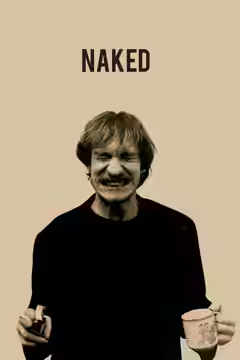
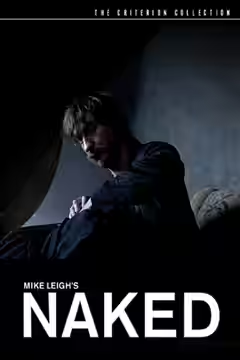
Naked is a harsh, funny and rewarding film, though Mike Leigh sometimes lets Johnny talk for longer than we need to listen. David Thewlis plays the London drifter as a man who can turn almost any encounter into an occasion to be cruel. Thewlis holds our attention even when Johnny seems determined to drive everyone else away. Leigh gives him much of the talking and leaves us to judge how much of it deserves believing.
Thewlis understands the pleasure of listening to somebody who always has another answer. His speech has the speed and impatience of a man already irritated by the objection he expects next. Johnny made us laugh when we wanted him to stop talking. The insults are delivered with such relish that the joke arrives before we have properly registered who is being hurt. There is something frightening in how much he enjoys it.
In Dick Pope’s cinematography, London seems exhausted by the people in it. Alison Chitty’s production design adds to that impression of a place with little comfort to offer. Neither contribution makes the misery inviting to look at, and we think that is right. Leigh needs us to feel that Johnny is moving through a city full of other lives, with other claims on our sympathy, rather than a backdrop provided for his complaints.
Jon Gregory’s editing is patient with the talk, which usually pays off because Thewlis can make a change of mood feel dangerous. Some exchanges, though, continue after we have understood both Johnny’s point and the pleasure he takes in making it. Andrew Dickson’s music sustains the unease around the talk, helping the film remain troubling even when Johnny is being funny. At 131 minutes, it has stretches where another round of argument adds little to what we know.
Leigh’s least persuasive choice is to include an even more repellent man against whom we can measure Johnny. The comparison feels unnecessary when Thewlis has already made our response to the central character so complicated. It also encourages the tendency towards caricature that occasionally makes the supporting figures less convincing. We do not need the film to supply somebody worse before we can recognise something human in Johnny.
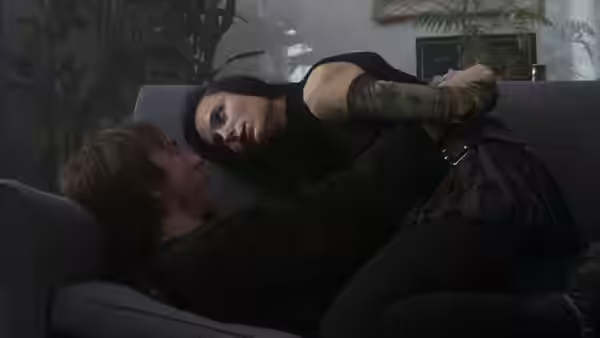
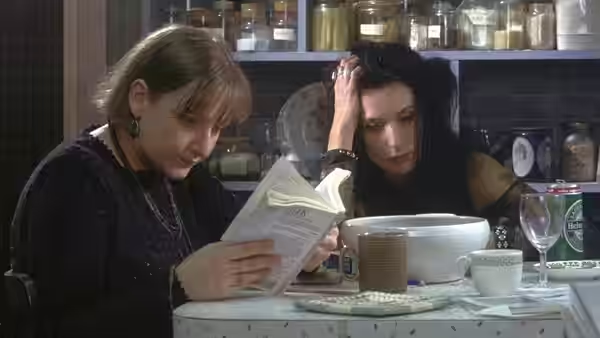
Lesley Sharp’s Louise and Katrin Cartlidge’s Sophie matter because the film needs people who can hold our interest without competing with Johnny’s verbal aggression. Their performances give its cruelty a human cost that another speech about society could not establish. As social comedy, this is unusually willing to make the person supplying the jokes someone we would dread meeting. Leigh is at his most persuasive when he keeps us attentive to the people that louder character might prefer us to ignore.
We recommend it for the acting and for Leigh’s willingness to make our enjoyment uncomfortable. Its cruelty towards women is hard to sit through, and the comedy does not make that easier. Anyone seeking a comforting account of damaged people should choose something else. Go in prepared to be entertained by a man whose company we would cross the road to avoid.