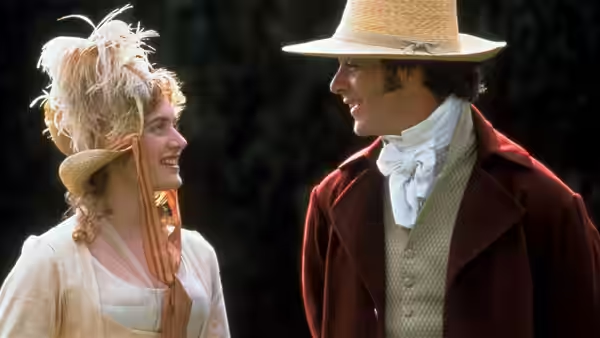
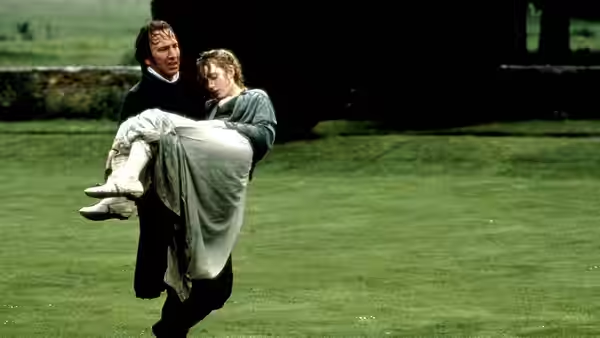
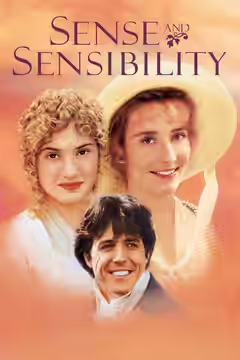
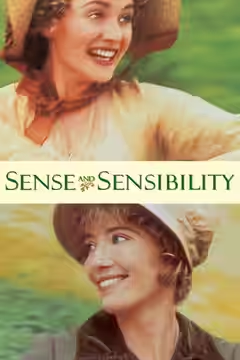
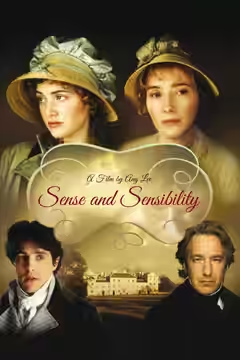
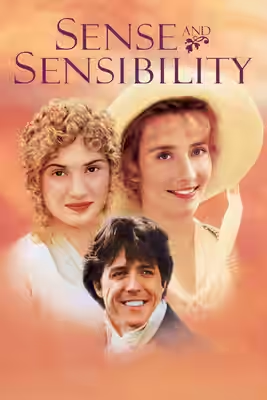
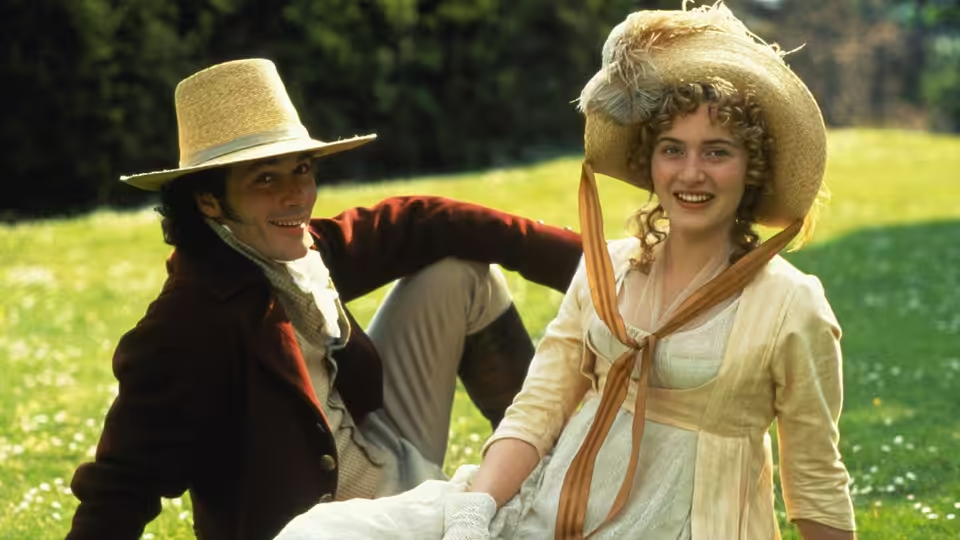
John Willoughby (Greg Wise) reclining beside Marianne Dashwood (Kate Winslet) on a grassy slope
Film review

Sense and Sensibility

1995 · Directed by Ang Lee · 2h 16m · MPA PG

In a sentenceEmma Thompson makes keeping a straight face look considerably harder than falling in love

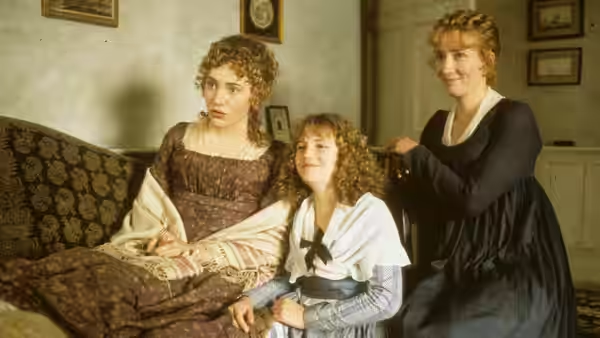
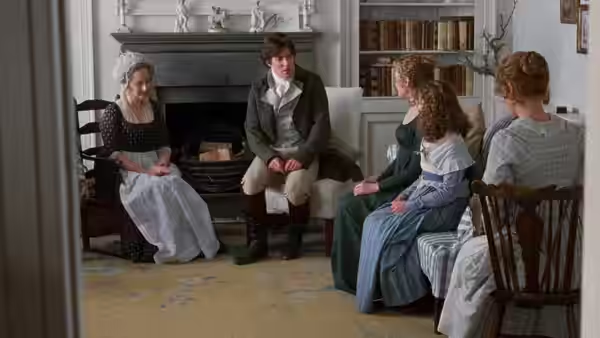
Elinor Dashwood (Emma Thompson) and Marianne Dashwood (Kate Winslet) are at the centre of Ang Lee’s adaptation of Ang Lee’s Austen’s novel about love, judgement and social expectations. Hugh Grant plays Edward Ferrars, Alan Rickman plays Colonel Christopher Brandon and Greg Wise plays John Willoughby. Gemma Jones appears as Mrs Dashwood, alongside Elizabeth Spriggs as Mrs Jennings and Imogen Stubbs as Lucy Steele. Thompson also writes the screenplay, as the characters try to make sense of their feelings while accounting for the expectations of those around them.

Plays from YouTube when you press play; nothing loads from them until then.

Fi1m review

Ang Lee’s Austen adaptation is funny, moving and worth an evening for Emma Thompson and Kate Winslet alone. The setting sometimes looks too comfortable for the characters’ difficulties, but the performances keep their feelings awkward and recognisable.

Ang Lee treats good manners as something people have to work at, sometimes under considerable strain. His Sense and Sensibility is a warm, funny adaptation of Ang Lee’s Austen, and we recommend it despite a tendency to make its world a little too agreeable. Emma Thompson’s screenplay gives the comedy proper weight: how people speak to one another matters as much as what they want. The jokes matter because the characters have to deal with other people even when their feelings are private.

Thompson’s Elinor Dashwood gives the film its most persuasive account of that difficulty. We were unexpectedly moved by her restraint, because keeping herself together seems to require effort even when the dialogue is funny. Thompson lets us appreciate good sense without suggesting that being sensible is much fun, and she is too alert a comic performer to let Elinor become merely admirable. There is warmth here, but also the understandable weariness of being expected to have a reasonable response.

Kate Winslet’s Marianne Dashwood brings a welcome impatience to all that control. Her emotional directness can make Elinor seem guarded, but Winslet does not reduce Marianne to a lesson in the hazards of enthusiasm. Lee gives both performances room, and the difference between them helps the comedy without making either woman a joke. Hugh Grant’s Edward Ferrars and Alan Rickman’s Colonel Christopher Brandon are shrewd pieces of casting. Both actors make reserve interesting, though Rickman gives it more weight and Grant more comic discomfort.

Michael Coulter’s cinematography makes the period setting look almost too agreeable, and Luciana Arrighi’s production design contributes to that impression. Both do accomplished work, but we sometimes feel less troubled by the characters’ difficulties than their performances suggest we should. A little less polish would help. Jenny Beavan and John Bright’s costumes fare better: the actors seem comfortable enough in them for the clothes to feel worn rather than presented for inspection.

Tim Squyres’s editing feels especially assured in the ensemble comedy, allowing us to enjoy individual performances without losing the pace. At 136 minutes, the film is generous with its company, and we rarely felt hurried away from someone worth watching. Patrick Doyle’s music is less consistently discreet; we occasionally wanted it to trust the actors to make the feelings clear. It is a small reservation, though the extra encouragement contributes to that slight excess of comfort.

The humour is what keeps this from becoming a dutiful literary adaptation. Thompson is willing to be broad, and Lee does not appear anxious to protect Austen from the indignity of being entertaining. Elizabeth Spriggs as Mrs Jennings and Hugh Laurie as Mr Palmer help give the comedy a welcome robustness. Their comedy is broader than Thompson’s, and the variation is welcome across a film of this length.

Give it an evening when there is no need to hurry. We recommend paying as much attention to Thompson as to whoever happens to be speaking; she makes listening worth watching. There will be plenty of time afterwards to decide who ought to have said what.

Critical consensus AI synthesised

84
Positive
7
Mixed
0
Negative
0

The reviews are consistently positive, with praise centred on the ensemble, the comedy and Ang Lee’s handling of Austen’s social distinctions. Thompson and Winslet receive particular attention, while Thompson’s screenplay is admired for preserving the irony and giving the characters emotional depth. Most critics find the film lively rather than dutiful: its period setting leaves plenty of room for humour, and Lee’s attention to behaviour keeps the relationships engaging.

The differences concern how much polish and contrivance the adaptation can bear. Radio Times praises Lee’s period realism, but RogerEbert.com finds the production idealised and the plotting contrived, judging it less satisfying than Persuasion. The Los Angeles Times also has reservations about the direction and the script’s tone, though casting and narrative pleasures outweigh them. The spread runs from warm approval to enthusiasm; even the more reserved reviews find considerable wit and charm in the performances.

Radio Times
★★★★★ · David Parkinson
100

Hiring Ang Lee was inspired; he brings refreshing period realism that lets Thompson's Oscar-winning script flourish. Winslet gives the standout performance in a strong ensemble.

Read the full review →
Variety
3 December 1995 · Todd McCarthy
90*

A witty and rollicking adaptation that is classy and entirely enjoyable; strong ensemble performances, handsome production and deft direction make it a treat bound for strong box office.

Read the full review →
The New York Times
13 December 1995 · Janet Maslin
85*

The grandly entertaining film unites Jane Austen with director Ang Lee in a sparkling, colorful and contemporary comedy of manners that matches 'Clueless' for sheer fun.

Read the full review →
The New Yorker
11 December 1995 · Terrence Rafferty
80*

A charming adaptation where common sense prevails over sensibility in an ideal rendering of Austen's down-to-earth manner; it is a gracious, unfailingly pleasant entertainment with strong performances, especially from Thompson and Winslet.

Read the full review →
Time Out
· GA
80*

The film is most enjoyable and faithful to Austen's themes and ironic wit, with fine performances from Thompson and Winslet supporting the ensemble.

Read the full review →
Los Angeles Times
13 December 1995 · Kenneth Turan
75*

The audience-friendly Hollywood version of Austen that creates much good feeling with its fail-safe close; excellent casting and plot delight overcome some issues with direction and script tone.

Read the full review →

Straight answers AI written, from our review

Is Sense and Sensibility worth watching?
Sense and Sensibility is worth watching for anyone who enjoys a warm, funny Austen adaptation, and we scored it 85. Emma Thompson and Kate Winslet keep the sisters' feelings awkward and recognisable, and the broader comedy from Elizabeth Spriggs and Hugh Laurie stops it becoming dutiful. Our reservation is that Michael Coulter's photography and Luciana Arrighi's design make the world look more comfortable than the characters' troubles warrant.
How long is Sense and Sensibility, and what is it rated?
Sense and Sensibility runs 2h 16m and is rated PG by the MPA in the US. It is a drama and romance film.
Where can I watch Sense and Sensibility in the US?
Sense and Sensibility is available to rent from Amazon Prime Video from $3.99. Availability is checked daily; the links above go straight to each service.
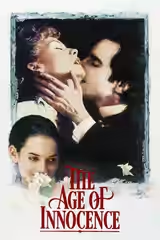
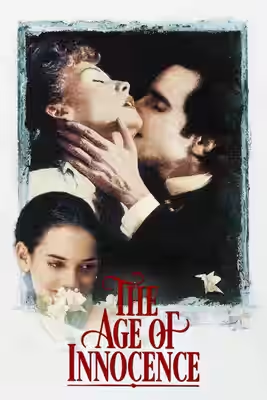
How does Sense and Sensibility compare to The Age of Innocence?
Sense and Sensibility is the warmer and funnier of the two, while The Age of Innocence is the more painful. Both are set in societies where a polite conversation can do lasting damage, but Ang Lee lets his characters be entertaining, whereas Scorsese's romance of suppressed desire sometimes explains its manners more patiently than necessary. Choose Lee for an evening of company and Scorsese for something that stings.
Is Sense and Sensibility based on a true story or a book?
Sense and Sensibility is based on Jane Austen's novel of the same name, not on a true story. Emma Thompson's screenplay keeps the book's concern with love, judgement and social expectation, and gives the comedy proper weight rather than treating the source as too precious to be entertaining. You do not need to have read the novel first; the performances make the feelings clear on their own.
What should I watch after Sense and Sensibility?
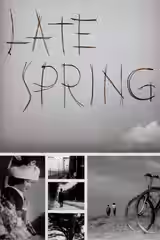
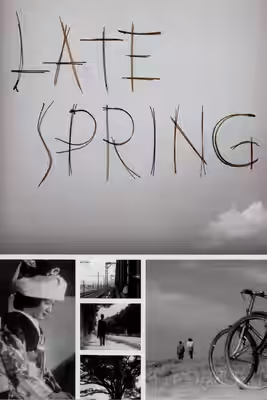
After Sense and Sensibility, try The Age of Innocence (1993, Fi1m 86): Another society where a polite conversation can do lasting damage. Then Late Spring (1949, Fi1m 92): For the family pressures that make private feelings difficult to admit; and The Lunchbox (2013, Fi1m 75): A quieter romance, equally attentive to what people cannot quite say.

Cast

Awards

Academy Awards, 1996

Nominated
Best Actress
Nominated
Best Cinematography
Nominated
Best Costume Design
Nominated
Best Original Dramatic Score
Nominated
Best Picture
Nominated
Best Supporting Actress
Won
Best Writing, Adapted Screenplay

Berlin International Film Festival, 1996

Won
Golden Bear

If you liked this, try…

  1. The Age of Innocence (1993, Fi1m 86)Another society where a polite conversation can do lasting damage.

  2. Late Spring (1949, Fi1m 92)For the family pressures that make private feelings difficult to admit.

  3. The Lunchbox (2013, Fi1m 75)A quieter romance, equally attentive to what people cannot quite say.

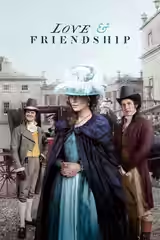
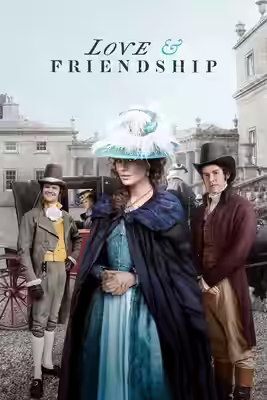
  4. Love & Friendship (2016) · not reviewed yetMore of Austen’s social comedy, with considerably less concern for good behaviour.

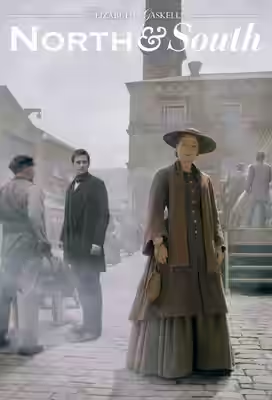
  5. North & South (2004, Fi1m 83)Courtship and class friction, with more room for the workaday world.

Free account

Know what to watch tonight

Two lists that know where things are streaming, collections you can share, your own score beside ours, and Discover that remembers what you have seen.

  • Want to see, sorted by what is streaming now
  • Seen, with your score out of ten
  • No adverts, ever